


Gist
Nigeria’s Petrol Imports Reach ₦3.3 Trillion As FG Grants New Refinery Licenses

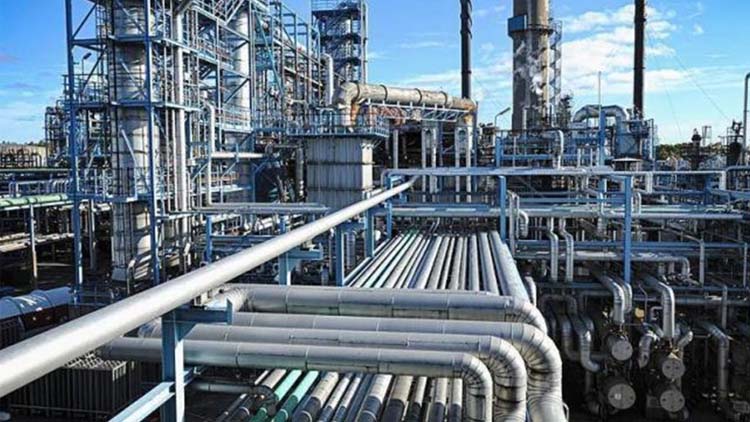
Nigeria’s Petrol Imports Reach ₦3.3 Trillion as FG Grants New Refinery Licenses
Nigeria’s importation of Premium Motor Spirit (PMS), commonly known as petrol, surged to ₦3.3 trillion in the final quarter of 2024, despite increased domestic refining capacity……READ MORE
In a move to boost local production, the Nigerian Midstream and Downstream Petroleum Regulatory Authority (NMDPRA) has issued licenses for three new refineries in Edo, Delta, and Abia states. These refineries, once operational, will have a combined processing capacity of 140,000 barrels per day.
According to an official statement from NMDPRA, the new licenses were granted to Eghudu Refinery Ltd (100,000 bpd) in Edo State, MB Refinery and Petrochemicals Company Ltd (30,000 bpd) in Delta State, and HIS Refining and Petrochemical Company Ltd (10,000 bpd) in Abia State. The regulatory authority emphasized that these projects aim to enhance Nigeria’s refining capabilities and reduce reliance on imported fuel.
Rising Fuel Imports Despite Local Refining Efforts
Despite efforts to ramp up domestic production, Nigeria remains heavily dependent on imported fuel. Data from the National Bureau of Statistics (NBS) indicates that petrol was the country’s most imported commodity during the review period, though there was a marginal 0.495% decline in import volumes.
Industry analysts warn that continued reliance on fuel imports drains the economy and limits job creation within the country. “By importing fuel, we are essentially exporting jobs and economic value to foreign nations,” remarked a senior industry executive.
While expectations were high that the commencement of operations at the Dangote Refinery and the revitalization of state-owned refineries would significantly reduce petrol imports, importation figures remain substantial.
Statistics from NMDPRA reveal fluctuating monthly fuel import volumes in 2024, with figures reaching 1.46 billion liters in March after a slight dip in February. Imports continued to vary throughout the year, peaking at 1.52 billion liters in October before declining in November and rebounding in December.
Nigeria’s Refining Landscape and Production Shortfalls
According to the Nigerian Upstream Petroleum Regulatory Commission (NUPRC), Nigeria currently has nine operational refineries, including the Dangote Refinery, Warri Refinery, Kaduna Refinery, and Port Harcourt Refinery, alongside several modular refineries. These facilities have a combined refining capacity of 974,500 barrels per day, with the Dangote Refinery contributing the largest share at 650,000 bpd. However, most of these refineries are yet to operate at full capacity.
The NUPRC estimates that these refineries will require a daily crude supply of 770,500 barrels to function optimally in the first half of 2025. However, local refinery production remains significantly lower than import levels. Between January and May 2024, Nigeria’s refineries produced only 794 million liters of petrol—far below the country’s total demand.
With petrol imports surpassing 13.76 billion liters in 2024, experts stress the urgent need for stable refining operations to achieve energy security and reduce dependency on foreign fuel supplies.

-

 Latest News1 day ago
BREAKING: Tinubu Appoints New NIPC, NEPZA Board Chairpersons
-

 Politics3 days ago
Seyi Makinde Makes Big 2027 Move, Names Running Mate
-

 Latest News6 days ago
Zulum Speaks On Gubio’s Running Mate Choice
-

 Latest News7 days ago
New Appointment Announced For Former VP Osinbajo
-

 Latest News2 weeks ago
Uzodimma, Fintiri, Abdurazaq, Other Governors Appear On APC NASS List
-

 Latest News1 week ago
Tinubu Unveils Fresh Appointments For Gbajabiamila, AGF, Others
-

 Politics1 week ago
Key Details Emerge From Meeting Of 18 APC First-Term Governors
-

 Latest News5 days ago
BREAKING: 8 Kidnappers Arrested, Others Eliminated As Oyo Pupils, Teachers Rescued
-

 Politics1 week ago
2027: APC Set To Upload Tinubu, Running Mate This Week
-

 Politics5 days ago
BREAKING: APC Unveils Tinubu’s 2027 Running Mate
-

 Entertainment2 days ago
We Tried” — Diamond Platnumz’s Wife Announces End Of Marriage
-

 Latest News7 days ago
Female Journalist Reportedly Taken Into DSS Custody