


Politics
Tinubu’s Cabinet: Unusual Strategy as Ex-Governors Dominate Ministerial Roles, Says Prof Udenta

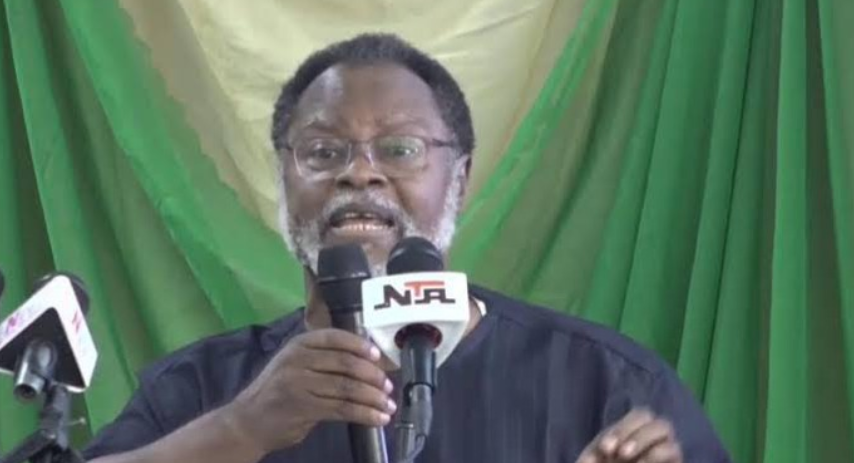
Interview on Channels Television’s “Sunrise Daily,” Professor Udenta Udenta shared insightful analysis on the composition of President Tinubu’s federal cabinet. The discussion focused on the unique political dynamics and strategic decisions influencing ministerial appointments in Nigeria.
Professor Udenta began by explaining the crucial link between how power is attained and how cabinet positions are filled. He emphasized that when a leader gains power through broad national consensus, there is a greater latitude to appoint a diverse range of individuals to the cabinet. This approach not only reflects the leader’s wide support base but also brings varied perspectives and talents to the administration.
Conversely, when power is secured through narrower, more exclusive means, the dynamics of cabinet formation shift. Udenta noted that in such scenarios, leaders tend to select ministers from within a close-knit circle of political allies who played key roles in their ascent to power. This ensures loyalty and maintains the support of influential figures within the ruling party.
A key point in Udenta’s analysis was the current trend in Nigeria’s ministerial appointments, where several former governors have been chosen for cabinet positions. Prominent examples include Nasir El-Rufai of Kaduna State, Badaru Abubakar of Jigawa State, Atiku Bagudu of Kebbi State, and Dave Umahi of Ebonyi State. According to Udenta, this trend represents a deliberate strategy of political pacification and unity-building within the ruling party.
He further observed that it is uncommon for former state governors to transition directly into federal cabinet roles. This unusual pattern, Udenta argued, reflects a broader strategy aimed at maintaining political cohesion and ensuring the continued loyalty of powerful political figures.
Highlighting the appointment of the Federal Capital Territory (FCT) minister, Udenta explained that such roles are often allocated to individuals from various political factions as a means of fostering unity and promoting inclusion within the government. This, he suggested, is part of a calculated effort to keep the ruling party united and avoid internal conflicts.
Udenta succinctly summarized the situation: “If you rise to power through a massive national consensus, you have the freedom to bring in anyone you want. But if your ascent is due to a narrower, more conspiratorial process, you must choose people within that inner circle. That’s why you see five or six former governors as ministers. It’s unusual for those who have governed their states to immediately jump into cabinet portfolios.”


-
 Latest News5 days ago
Tinubu Summons 76 Osun APC Leaders Over Ribadu’s Explosive Intelligence Report
-

 Latest News1 week ago
Tinubu Picks Gbajabiamila, Soludo, Zulum, Others For Canada Investment Mission
-
 Latest News2 weeks ago
BREAKING: Tinubu Makes Fresh Appointment
-
 Latest News2 weeks ago
Presidency Fires Back At Catholic Bishops
-

 Latest News2 weeks ago
Wike Breaks Silence On ₦750m Campaign Billboard Fee
-

 Latest News1 week ago
Tinubu Approves Fresh Civil Service Recruitment Exercise
-
 Latest News1 week ago
Tinubu Launches ₦216bn Osun–Oyo Road Projects
-
 Latest News2 weeks ago
Tinubu Govt Rolls Out Fresh Rules For Ministers, Top Officials
-

 Latest News2 weeks ago
‘Football Is Not For Sale’ – FIFA Fires Back Amid World Cup Investment Backlash
-

 Latest News2 weeks ago
Fuel Price Drops As MRS, Others Slash Petrol Pump Price
-

 Latest News4 days ago
Army Orders Abuja Residents To Vacate Homes Over Security Threat
-

 Latest News2 weeks ago
Breaking: Jonathan Holds Closed-Door Meeting With Tinubu At Aso Rock