


Latest News
Coup: Peterside Shares 4 Reasons Nigeria, ECOWAS Must Intervene In Niger Republic

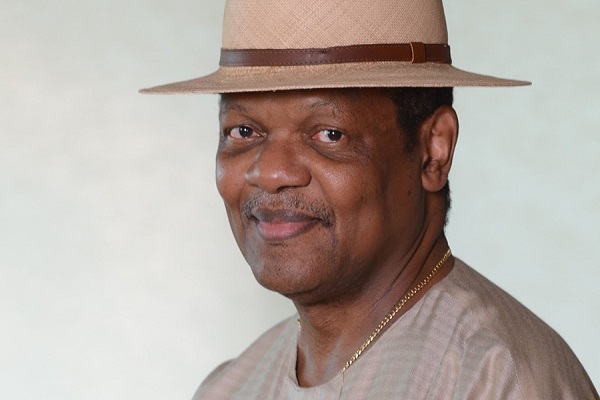
Coup: Peterside Shares 4 Reasons Nigeria, ECOWAS Must Intervene In Niger Republic
Dr. Dakuku Peterside, a former Director General of the Nigerian Maritime Administration and Safety Agency (NIMASA), has outlined four compelling reasons why Nigeria must not overlook the military junta’s coup in Niger that toppled a democratically elected government…CONTINUE READING
The seizure of power by the elite Presidential Guard and the subsequent appointment of General Abdourahomene Tchiani as President of the National Council for the Safeguard of the Homeland has caused instability not only in Niger but also in the entire West African sub-region.
Read Also What A Man Did When He Opened The Door To A Room In A Building And Found D**gy Going On (VIDEO)
Dr. Peterside noted that this marks the fifth military coup in the sub-region since 2020, following similar events in Burkina Faso, Chad, Guinea, and Mali.
He highlighted the implications for Nigeria, emphasizing four key points:
- Security Threats: The instability in Niger could create a security vacuum that extremist groups, criminal networks, and other destabilizing elements may exploit. These groups could overturn the progress made in containing them in Niger and other Sahel countries. Nigeria, sharing a long border with Niger across several states, would be a primary target, making its internal security vulnerable. A destabilized Niger could become a breeding ground for terrorists and provide easy access to Nigeria for groups like Boko Haram through the Diffa region.
- Refugee Crisis: Nigeria is likely to face the brunt of Niger’s refugee crisis if the instability persists. With Niger already serving as a transit point for migrants and refugees, any further destabilization could lead to a massive influx of refugees into Nigeria, particularly through porous borders. The high youth population and birth rate in Niger make this a probable scenario. Moreover, Niger’s agrarian economy might force farmers and herders to migrate into Nigeria, exacerbating existing farmer-pastoral conflicts.
- Threat to Democracy: The crisis in Niger poses a significant threat to the growth and consolidation of democracy in the West African sub-region. The ousted President’s election marked the first democratic transition of power in a country that has experienced multiple military coups. A fragile Niger could set a precedent for unconstitutional rule in other West African democracies, undermining the progress made towards democratic governance. Nigeria’s leadership role in the sub-region and its efforts towards regional integration could be jeopardized.
- Impact on Nigeria’s Standing: The coup in Niger not only directly affects Nigeria but also undermines its reputation as a regional and continental leader. How Nigeria responds to this crisis will determine its status as a continental power. The world is closely observing Nigeria’s approach to resolving the situation in Niger, and the country is expected to take proactive measures, either unilaterally or in collaboration with regional and continental institutions like ECOWAS and AU.
In conclusion, Dr. Dakuku Peterside stressed the importance of Nigeria’s leadership role in addressing the crisis in Niger and safeguarding regional stability and integration. The manner in which Nigeria handles this situation will not only impact the immediate neighborhood but also shape its standing as a responsible and influential player in Africa and beyond.

-
 Latest News2 days ago
BREAKING: Tinubu Appoints New NIPC, NEPZA Board Chairpersons
-

 Politics4 days ago
Seyi Makinde Makes Big 2027 Move, Names Running Mate
-
 Latest News6 days ago
Zulum Speaks On Gubio’s Running Mate Choice
-
 Latest News1 week ago
New Appointment Announced For Former VP Osinbajo
-
 Latest News1 week ago
Tinubu Unveils Fresh Appointments For Gbajabiamila, AGF, Others
-

 Politics1 week ago
Key Details Emerge From Meeting Of 18 APC First-Term Governors
-

 Latest News5 days ago
BREAKING: 8 Kidnappers Arrested, Others Eliminated As Oyo Pupils, Teachers Rescued
-

 Politics1 week ago
2027: APC Set To Upload Tinubu, Running Mate This Week
-

 Entertainment2 days ago
We Tried” — Diamond Platnumz’s Wife Announces End Of Marriage
-

 Politics5 days ago
BREAKING: APC Unveils Tinubu’s 2027 Running Mate
-

 Latest News1 week ago
Female Journalist Reportedly Taken Into DSS Custody
-
 Latest News2 weeks ago
Ganduje Speaks Out On Rumours Of Dumping APC For NDC