Darkness For Billions: Outrage As FG Plans ₦8 Billion Campaign While Nigerians Suffer In Blackouts
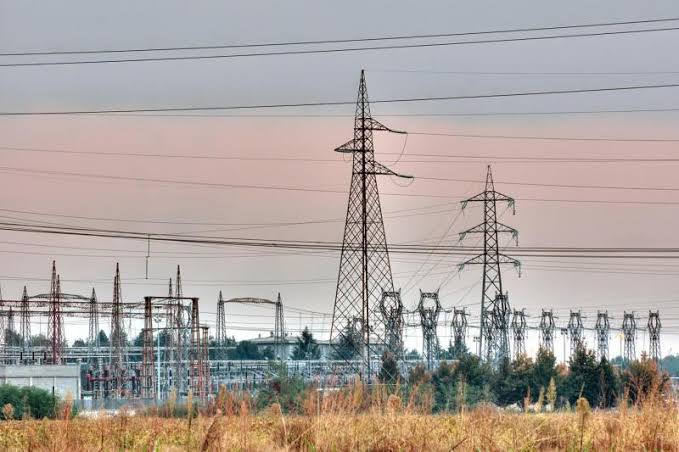
Nigeria’s power sector faces numerous issues that demand urgent attention. The Minister of Power, Adebayo Adelabu, recently announced a plan to spend ₦8 billion on a nationwide sensitization campaign to educate Nigerians…READ MORE…
about timely payment of electricity bills. The initiative aims to address problems like power theft, poor payment habits, and the protection of national power assets.
Adelabu emphasized the importance of electricity payment, stating, “Our people need to understand that paying their electricity bills is essential to maintaining the infrastructure that powers homes, businesses, and industries.”
Mixed Reactions from Nigerians
However, the proposal has drawn criticism from many Nigerians who question its necessity and practicality, suggesting the funds should be allocated to more pressing power sector challenges.
Sam from Ogun
Sam criticized the idea, calling it a “right step in the wrong direction.” He suggested that the funds should instead address vandalism, which has led to constant grid collapses. He noted the hypocrisy of government institutions being among the top debtors and emphasized that resolving power supply issues should take precedence over educating citizens on bill payments.
Tope from Abulegba, Lagos
Tope highlighted the irregularity of power supply in his area, where electricity is provided on a one-day-on, one-day-off schedule, often at inconvenient hours. He dismissed the sensitization campaign as unnecessary, arguing that the funds should be used to repair the national grid and improve power reliability.
Patrick from Fagba, Lagos
Patrick called the ₦8 billion campaign “ridiculous” and a potential avenue for corruption, citing past scandals in the power sector. While he acknowledged improvements in power supply in his area, he criticized the high tariffs that make electricity unaffordable for many Nigerians.
Mrs. Orojo from Ibeju Lekki
In Ibeju Lekki, Mrs. Orojo reported frequent outages caused by an undersized transformer that cannot meet demand. She argued that the funds would be better spent on upgrading infrastructure and creating jobs, as unemployment hampers people’s ability to pay bills.
Henrietta from Ibeju Lekki
Henrietta, who has benefited from improved power supply in her area, expressed satisfaction with the service but suggested that the ₦8 billion should be directed toward stabilizing the national grid, which frequently experiences failures.
Industry Expert’s Perspective
An anonymous senior official from Eko Electricity Distribution Company also weighed in, calling the ₦8 billion sensitization budget excessive. While acknowledging the need for public education in some areas, the official stressed that the funds would be more impactful if used to ensure power supply stability.
Economic and Developmental Impact of Nigeria’s Power Woes
Nigeria’s electricity challenges are a major barrier to economic growth. A 2024 Africa Trade Barometer report by Standard Bank revealed an estimated annual economic loss of $26 billion due to power shortages. Businesses reportedly spend $22 billion annually on off-grid fuel to mitigate unreliable electricity, further increasing operational costs.
The report detailed how blackouts disrupt production, compromise goods requiring controlled environments, affect water supply, and impede telecommunications infrastructure. These issues collectively reduce business income and sales.
Minister Adelabu revealed that the Transmission Company of Nigeria (TCN) would require ₦2.77 trillion to complete 149 ongoing projects, which he believes will significantly improve power delivery upon completion.
A Call for Prioritization
While sensitization campaigns may have some merit, addressing Nigeria’s power sector challenges requires prioritizing critical issues such as:
- Expanding power generation capacity.
- Upgrading transmission and distribution infrastructure.
- Combating vandalism of power assets.
- Ensuring stable gas supply for power plants.
- Implementing cost-reflective pricing mechanisms.
Investing these areas will have a far greater impact on resolving the nation’s persistent power sector difficulties and fostering sustainable development.
For More Information And News Update, Join Ireporteronline WhatsApp Channel With Link Below: https://whatsapp.com/channel/0029VaV4jB6DuMRgwqnJCF32 For advertisement inquiries only, kindly send a message to 09010649814 on Whatsapp




 Latest News1 day ago
 Politics3 days ago
 Latest News6 days ago
 Latest News7 days ago
 Latest News1 week ago
 Politics1 week ago
 Latest News5 days ago
 Politics1 week ago
 Politics5 days ago
 Entertainment2 days ago
 Latest News7 days ago
 Latest News2 weeks ago