


Latest News
Fuel Retailers Revolt as NMDPRA Pushes Controversial Station Shutdown Rules

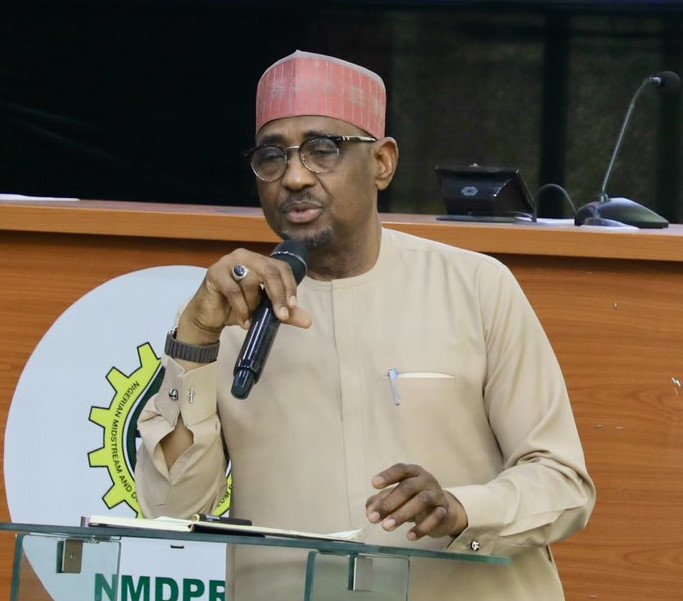
The Nigerian Midstream and Downstream Petroleum Regulatory Authority (NMDPRA) has sparked a fresh debate in the petroleum sector following its proposal of new rules for the safe decommissioning and abandonment of retail fuel stations. These proposed regulations, currently under public consultation, have drawn significant resistance from fuel retailers, who argue that the rules should apply strictly to midstream operations and not extend to the downstream segment.
The controversial clause is part of the draft 2025 Midstream and Downstream Petroleum Safety and Environmental Regulations, discussed during a stakeholders’ forum held at the Authority’s headquarters in Abuja. Industry stakeholders in attendance voiced concern over the scope of the regulation, claiming that it imposes unnecessary burdens on fuel station operators.
Despite the backlash, the Authority maintains that the regulation is a critical step toward mitigating environmental hazards, particularly those stemming from improperly abandoned petrol stations. It emphasized the importance of structured procedures to prevent contamination of groundwater and other ecological risks.
Legal Adviser to the Authority, Joseph Tolurushe, explained that the proposal consolidates three previously enacted regulations—covering safety, environmental, and abandonment standards—into one unified document. He said this consolidation aligns with global best practices and is intended to reduce regulatory complexity and enhance business operations within the sector.
Tolurushe also clarified that the regulation is not meant to be restrictive but rather to guide the proper closure of facilities, ensuring public health and environmental integrity are safeguarded. He noted that in other jurisdictions, such as Norway, a single regulatory framework governs much of the sector’s activity, pointing to Nigeria’s gradual transition toward a more self-regulating petroleum industry.
Speaking at the event, the Chief Executive of the Authority, Ahmed Farouk, represented by Executive Director Ogbugo Ukoha, reiterated that Section 33 of the Petroleum Industry Act empowers the Authority to develop regulations covering both midstream and downstream operations. He emphasized that the consolidation would eliminate redundancies, ensure consistency, and bolster compliance with existing legislation.
Farouk added that the new framework would be read alongside the 2024 Petroleum Fees Regulations and other relevant policies, forming part of a broader effort to improve operational transparency and environmental accountability in Nigeria’s petroleum value chain.
The forum concluded with a pledge to incorporate feedback from stakeholders before the final document is submitted for legal drafting, management approval, and eventual gazetting by government authorities—a process anticipated to conclude within a month.

-

 Latest News22 hours ago
Olisa Metuh, Tunde Rahman, Abike Dabiri, Others Appointed As Tinubu’s Renewed Hope Ambassadors
-

 Latest News2 weeks ago
Sh*ck Move: Cameroon’s President Biya Names His Son Vice President
-
 Latest News1 week ago
Presidency Fires Back At ADC: ‘We Won’t Close Shop Because You’re Struggling
-

 Latest News5 days ago
Iyabo Obasanjo Responds As Senator Yayi Emerges Ogun APC Consensus Candidate
-
 Latest News1 week ago
It’s Obvious I Don’t Own What You Have” – Lamido Blasts Malami Over ‘Thief’ Claims
-

 Latest News1 week ago
APC Blocks Bala Mohammed’s Defection — Here’s Why
-

 Latest News2 weeks ago
A Birthday Fit For A Legend : Watch Abubakar Momoh Make A Grand Entrance At Adams Oshiomhole’s Residence
-
 Latest News1 week ago
Keyamo Slams Peter Obi, Kwankwaso: ‘They Think They Can Blackmail Everyone
-
 Latest News2 weeks ago
Sh*ck Exit: Akinwumi Steps Down As ADC Secretary
-
 Latest News7 days ago
Tony Akiotu Has Been Appointed As The New Chairman Of The Broadcasting Organisations Of Nigeria
-
 Latest News3 days ago
Why We’re Tolerating Wike – APC Chair Yilwatda Speaks Out
-
 Latest News2 weeks ago
Former VP Osinbajo Lands Powerful Global Appointment