


Latest News
APC Slams Makinde Over ‘Operation Wetie’ Remark, Knocks Opposition Coalition

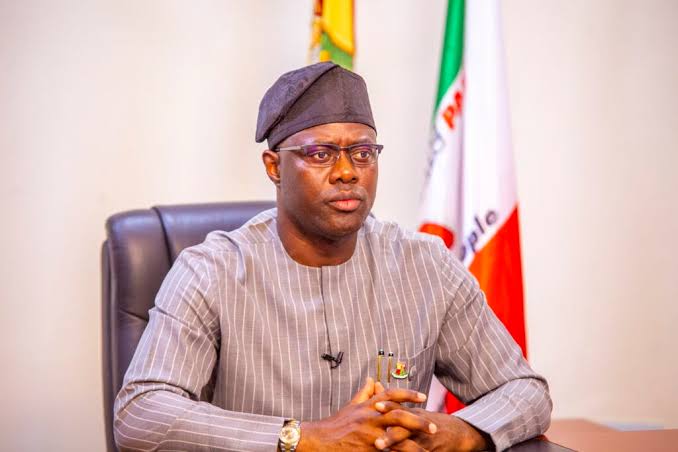
According to Ireporter Online, the All Progressives Congress (APC) has strongly criticized Oyo State Governor, Seyi Makinde, over his reference to the “Operation Wetie” crisis during an opposition political summit held in Ibadan, describing the comment as inciting, inappropriate, and historically misrepresented.
The party’s National Secretary, Ajibola Basiru, alongside the South-West National Vice Chairman, Isaacs Kekemeke, led the APC’s response, joining a wave of criticism that also trended across social media, where many Nigerians faulted the governor’s remarks.
Governor Makinde, while addressing the summit themed “That We May Work Together for a United Opposition to Sustain Our Democracy,” had cautioned against what he described as attempts to dominate legislative control under a single political platform. He referenced the violent political era of the First Republic, noting that the infamous “Operation Wetie” crisis, which began in Ibadan before spreading across the old Western Region, should serve as a warning.
The phrase “Operation Wetie,” which translates loosely as “soak him,” refers to a period of intense political violence in the early 1960s marked by electoral disputes, arson, and attacks on perceived opponents, contributing to the collapse of democratic governance in 1966.
Reacting, the APC leadership described Makinde’s statement as reckless and lacking proper historical context. Basiru argued that the governor’s comments were inappropriate for a sitting state leader, insisting that the events of Operation Wetie were tied to electoral irregularities of the past and should not be used in contemporary political discourse.
He further accused the opposition of exaggerating grievances, claiming the APC remained more organised while opposition parties were fragmented. He also urged Makinde to exercise restraint and avoid statements capable of heightening political tension.
In a similar reaction, Kekemeke stated that Makinde’s remarks could be interpreted as an insinuation that future elections might involve violence. He dismissed claims that Nigeria was drifting into a one-party system under President Bola Tinubu, stressing that over 20 political parties remain registered and active under the Independent National Electoral Commission (INEC).
He maintained that a functioning democracy requires opposition participation and accused opposition parties of internal disorganisation and leadership crises, rather than any attempt by the ruling party to suppress dissent.
Kekemeke also expressed confidence that the APC would maintain dominance in the South-West and across the country, attributing this to what he described as strong leadership, performance, and grassroots support. He further dismissed the opposition coalition formed at the summit as weak and unlikely to succeed, predicting internal disagreements among its members.
Basiru also dismissed the Ibadan summit as lacking official legitimacy, arguing that it was not a formal gathering of political parties but rather individuals without proper authorisation from their respective party structures. He described the coalition effort as contradictory, stating that while the opposition alleged a one-party state, they were simultaneously forming alliances of multiple parties.
He added that the coalition would likely collapse due to conflicting ambitions among its members, insisting that Nigerian law only recognises duly registered political parties and not informal political alliances.
In a separate reaction, the Special Adviser to the President on Media and Public Communication, Sunday Dare, also dismissed the opposition coalition as weak and lacking electoral strength. He expressed confidence in President Bola Tinubu’s re-election prospects, citing what he described as ongoing economic recovery and governance achievements.
Despite the criticisms, opposition leaders at the summit resolved to present a single presidential candidate for the 2027 elections, arguing that the move was necessary to strengthen democracy and challenge the ruling party. They also accused the APC of attempting to establish a one-party dominance and called for reforms to the Electoral Act and stricter safeguards for credible elections.
Prominent political figures, including Atiku Abubakar, Peter Obi, Rabiu Kwankwaso, David Mark, and Rauf Aregbesola, were present at the meeting, alongside representatives of several political parties including the PDP, Labour Party, NNPP, PRP, and others.

-

 Latest News1 week ago
Olisa Metuh, Tunde Rahman, Abike Dabiri, Others Appointed As Tinubu’s Renewed Hope Ambassadors
-
 Latest News5 days ago
Tinubu Seeks Senate Approval For Darma As Minister, Yuguda As CBN Deputy Governor
-
 Latest News2 weeks ago
Iyabo Obasanjo Responds As Senator Yayi Emerges Ogun APC Consensus Candidate
-

 Latest News7 days ago
Tinubu Greenlights New Police Academy Campus, Releases ₦15B Boost
-

 Latest News5 days ago
Tinubu Announces Major Shake-Up In Education Sector, Releases Full List Of New Appointments
-
 Latest News5 days ago
Court Grants PDP Factional Chairman Turaki ₦100m Bail
-

 Latest News7 days ago
Senator Abbo Quits ADC In Sh*ck Political Move
-
 Latest News1 week ago
ADC Crisis Worsens As Binani Allies Defect In Adamawa
-
 Latest News5 days ago
Opposition On Edge As Supreme Court Delivers Crucial Rulings On ADC, LP, PDP Crises Today
-
 Latest News2 weeks ago
Why We’re Tolerating Wike – APC Chair Yilwatda Speaks Out
-
 Latest News3 days ago
Tinubu Meets Tajudeen Abbas, Reps Members At Aso Rock
-

 Latest News5 days ago
Supreme Court Issues New Ruling In ADC Leadership Crisis