


Latest News
Federal High Court Gives New Directive On Pre-Election Disputes


-

 Politics2 weeks ago
Tinubu Makes Fresh Appointment
-
 Latest News4 days ago
Breaking Political Barriers: Okpebholo Names Enugu-born Igbo Leader to Edo Cabinet
-
 Politics6 days ago
Tinubu Makes New Ambassadorial Appointments, Seeks Senate Confirmation
-
 Latest News1 week ago
Breaking: Okpebholo Backs Words With Action As Edo Moves To Establish Special Court For Cultism And Kidnapping Cases, Writes Chief Judge
-

 Latest News7 days ago
Ojirami Shines at Night: Akoko-Edo Residents Hail Engr. Abubakar Momoh Over NDDC Solar Street Light Project
-

 Latest News1 week ago
Bandits’ Captivity Death: Widow Rejects Illness Claims, Reveals What K!lled General Rabe
-

 Latest News8 hours ago
APC Submits National Assembly Candidates’ Names To INEC Portal
-

 Politics2 weeks ago
36 Governors Reveal Their Stance On State Police
-

 Sports3 days ago
Full List: Every Team Eliminated From The 2026 World Cup So Far
-
 Politics1 week ago
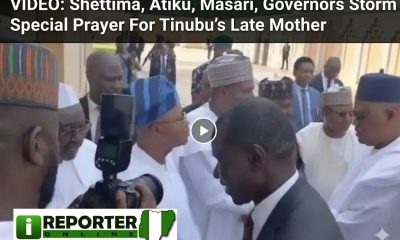
VIDEO: Shettima, Atiku, Masari, Governors Storm Special Prayer For Tinubu’s Late Mother
-

 Latest News1 day ago
APC Dismisses Viral List Of Primary Election Winners
-

 Entertainment2 weeks ago
Dayo Amusa Blasts Peter Obi: “You Can’t Criticize Government And Hide Your Plans