

Latest News
Court Bars NBC From Sanctioning TV And Radio Stations

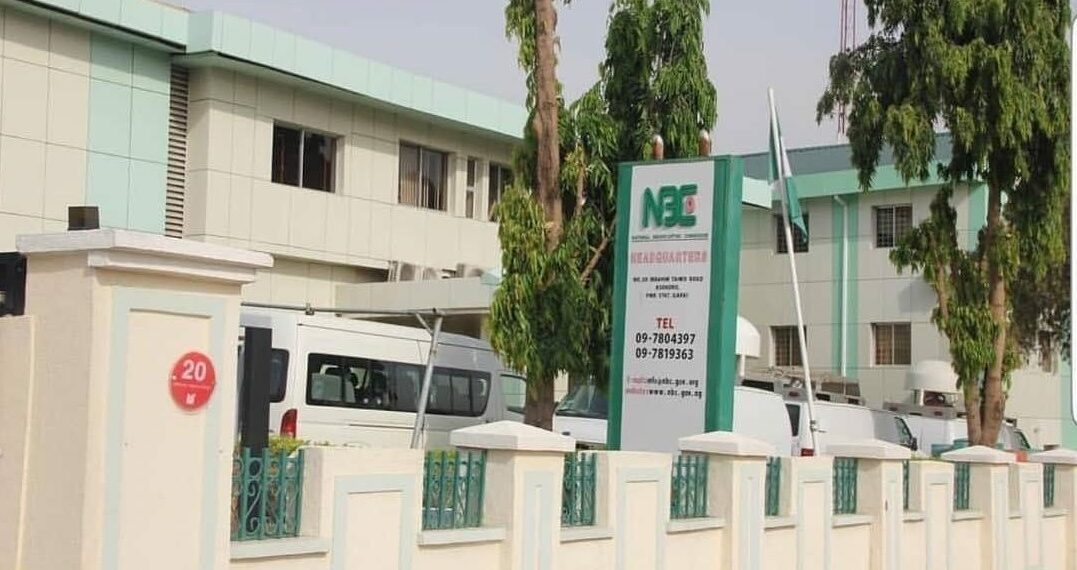
The Federal High Court in Lagos has restrained the National Broadcasting Commission from sanctioning broadcast stations and presenters over the expression of personal opinions, alleged intimidation of guests, or perceived lack of neutrality.
According to Ireporter Online, the ruling was delivered by Justice Daniel Osiagor, who granted an interim injunction following an ex parte application filed by the Socio-Economic Rights and Accountability Project and the Nigerian Guild of Editors. The applicants were represented in court by Adeyinka Olumide-Fusika (SAN).
The court order restrains the NBC from enforcing certain provisions of the 6th Edition of the Nigeria Broadcasting Code pending the determination of the substantive suit. Justice Osiagor directed that the commission, its agents, or any affiliated parties must refrain from imposing sanctions, fines, or penalties on any broadcast station based on the contested provisions. The judge also barred the regulator from relying on sections of the code referenced in its recent notice to broadcasters.
The matter has been adjourned to June 1, 2026, for hearing of the motion on notice.
Reacting to the development, SERAP and the Nigerian Guild of Editors described the ruling as a major boost for press freedom and constitutional rights. In a joint statement, the organisations said the decision underscores the importance of safeguarding freedom of expression, media independence, and adherence to the rule of law. They further urged the NBC to fully comply with the court’s directive.
The groups had approached the court to challenge what they termed arbitrary attempts by the NBC to penalise broadcasters over allegations such as presenting opinions as facts, intimidating guests, or failing to maintain neutrality. They argued that the provisions relied upon by the commission are vague, overly broad, and inconsistent with constitutional guarantees of free expression.
According to the applicants, journalistic opinion, commentary, and analysis are protected under the Nigerian Constitution as well as international human rights law. Court filings emphasised that value judgments and commentary form a central part of journalism and democratic discourse, noting that restricting presenters from expressing opinions amounts to an unjustifiable limitation on fundamental rights.
The organisations also warned that such restrictions could foster self-censorship and weaken democratic debate, particularly ahead of the 2027 general elections. They maintained that while regulation of broadcast content may be necessary, it must be lawful, proportionate, and clearly defined to avoid arbitrary enforcement.

-
 Latest News2 weeks ago
Tinubu Seeks Senate Approval For Darma As Minister, Yuguda As CBN Deputy Governor
-
 Latest News2 days ago
New Crisis In NDC As Kano Chairman Blocks Kwankwaso’s Takeover Move
-
 Latest News1 week ago
APC Elders Back Tinubu, Namadi, Acquire ₦150 Million Nomination Forms
-

 Latest News2 weeks ago
Tinubu Announces Major Shake-Up In Education Sector, Releases Full List Of New Appointments
-
 Latest News6 days ago
Tinubu Appoints Former Power Minister As Special Adviser
-
 Latest News2 weeks ago
Court Grants PDP Factional Chairman Turaki ₦100m Bail
-
 Latest News5 days ago
Sh*ck Arrest: Nuhu Ribadu Reportedly Detains NFSS Boss, 6 Others
-
 Latest News1 week ago
Thousands Of Borno Youths Raise ₦38.5 Million In Massive Show Of Support For Ali Ndume
-
 Latest News1 week ago
Senate President Akpabio Declares Jimoh Ibrahim’s Seat Vacant
-

 Latest News5 days ago
Desmond Elliott Begs Gbajabiamila: “I’m Sorry If I’ve Wronged You
-
 Latest News2 weeks ago
Opposition On Edge As Supreme Court Delivers Crucial Rulings On ADC, LP, PDP Crises Today
-
 Latest News18 hours ago
You Will End Up On Your Knees When We Retaliate” – Oshiomhole Slams South African President