

Latest News
Electoral Shake-Up: INEC Moves To Review 2022 Guidelines For Political Parties

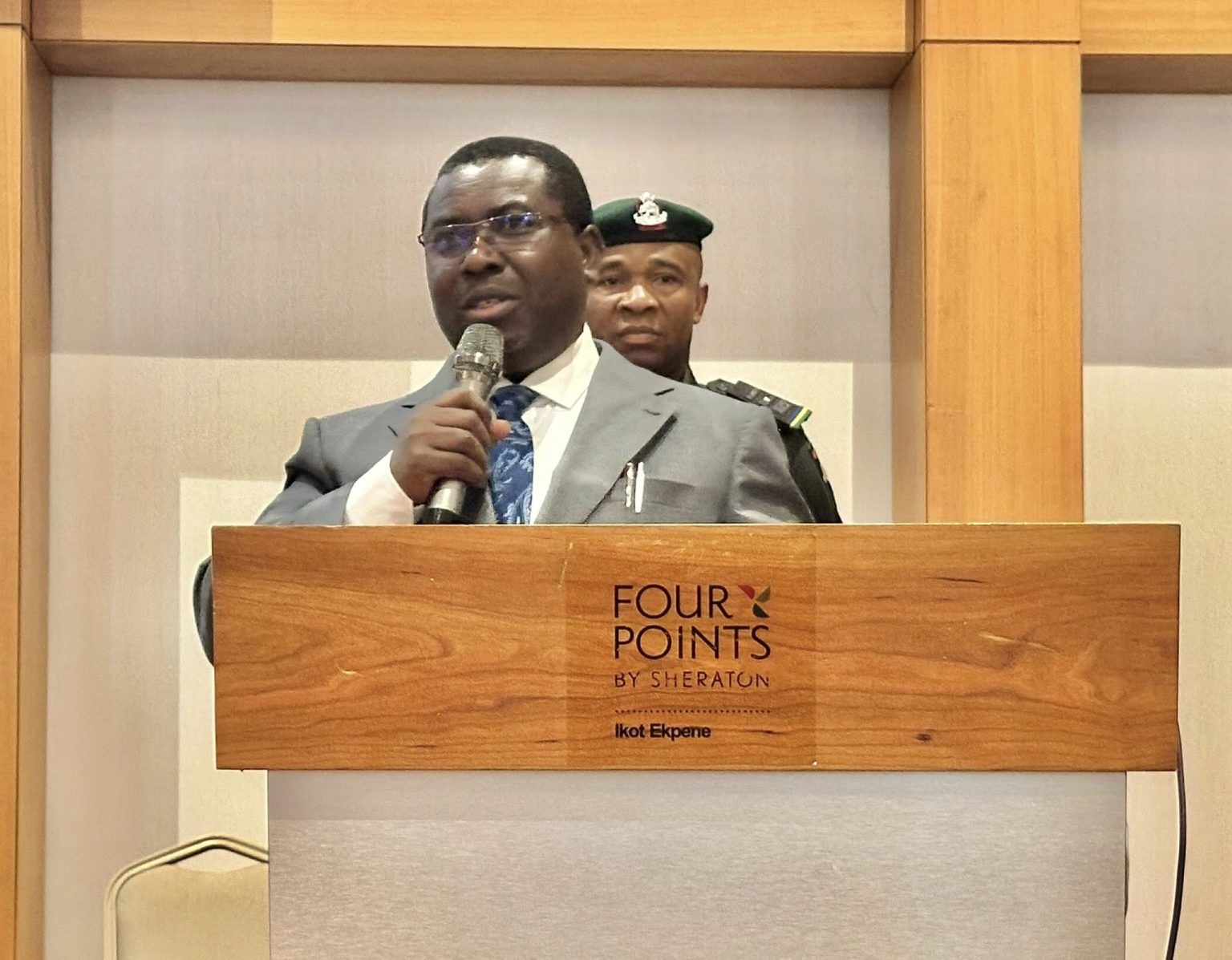
The Independent National Electoral Commission has commenced a three-day technical workshop in Ikot Ekpene, Akwa Ibom State, to review its 2022 Regulations and Guidelines for Political Parties in alignment with the newly enacted Electoral Act 2026.
According to a statement made available by the Commission, the workshop, which runs from March 4 to March 6, 2026, represents its first formal step toward harmonising existing regulatory frameworks with provisions introduced under the new law signed in February 2026.
The high-level engagement brings together National Commissioners, the Resident Electoral Commissioner for Akwa Ibom State, aides to the INEC Chairman, directors of critical departments, and development partners. Delivering the keynote address, INEC Chairman, Prof. Joash Ojo Amupitan, described the exercise as both a legislative and operational realignment necessitated by the compressed timelines stipulated in the Electoral Act 2026.
He disclosed that under the revised statutory calendar, Presidential and National Assembly elections will be conducted on January 16, 2027, while Governorship and State Assembly elections are slated for February 6, 2027.
Prof. Amupitan noted that the Commission is moving beyond the 2022 framework to sanitise party operations and incorporate insights from the Political Party Performance Index (PPPI), a diagnostic instrument developed to bridge gaps between party constitutions and grassroots practices. He cautioned that weak internal democracy, particularly flawed party primaries, remains a significant threat to electoral integrity, warning that the imposition of unpopular candidates through opaque procedures could trigger voter apathy and heightened pre-election litigation.
He explained that the 2026 Guidelines would introduce stricter standards for membership documentation, financial transparency, and greater inclusion of women, youths, and Persons with Disabilities.
In his welcome remarks, the Resident Electoral Commissioner for Akwa Ibom State, Obo Effanga, described the workshop as an opportunity to deepen institutional understanding of the Electoral Act 2026 and update regulatory instruments to promote transparency, fairness, and administrative efficiency. He acknowledged that while Nigeria’s electoral system has recorded incremental progress, sustained reforms remain essential to maintaining public confidence and strengthening democratic institutions.
Also speaking, National Commissioner and Chairman of the Election and Party Monitoring Committee, Dr. Baba Bila, stated that the timing of the review was critical, noting that it marks the Commission’s first comprehensive examination of how the Electoral Act 2026 affects its regulations governing political parties and related activities. He observed that the 2022 Regulations, which cover registration and deregistration of political parties, party membership and structure, conventions and congresses, campaigns, and monitoring of primaries and candidate nominations, form the backbone of party oversight and therefore require prompt realignment with the new legal regime.
The Director of Election and Party Monitoring, Mrs. Joan Arabs, explained that the workshop is designed to assess operational challenges in the 2022 Guidelines, reorganise key clauses for administrative efficiency, integrate new statutory provisions, and harmonise the regulations with INEC’s six constitutional functions, including party registration, financial monitoring, auditing, campaign regulation, and enforcement mechanisms. She stressed that the revised document is expected to be comprehensive, legally compliant, and user-friendly.
A key component of the reform initiative is the integration of the Political Party Performance Index, developed in collaboration with the Westminster Foundation for Democracy. The Foundation’s Country Director in Nigeria, Adebowale Olorunmola, acknowledged that while the 2022 Regulations were instrumental during the 2023 general elections, evolving realities necessitate updated operational tools. He emphasised that political parties must function not merely as electoral platforms but as democratic institutions grounded in internal democracy, inclusivity, accountability, and strict legal compliance.
Prof. Amupitan further expressed concern over persistent leadership disputes within political parties that frequently result in protracted court battles. He pointed out that Sections 83(5) and (6) of the Electoral Act 2026 reinforce the principle established in Onuoha v. Okafor by limiting judicial interference in internal party matters. According to him, strengthening internal dispute resolution mechanisms would enable the Commission to concentrate on election management rather than defending avoidable litigation.
He concluded that the Commission’s objective is to ensure that political parties evolve from temporary election vehicles into enduring democratic institutions. With the 2027 elections approaching under a compressed timetable, the revised Regulations and Guidelines for Political Parties are expected to significantly influence the transparency, inclusiveness, and predictability of Nigeria’s electoral process.

-
 Latest News2 days ago
Full List: Tinubu Gives Approval For New Appointments
-
 Latest News2 weeks ago
New Crisis In NDC As Kano Chairman Blocks Kwankwaso’s Takeover Move
-
 Latest News4 days ago
APC Expels 30 Members Over Legal Action Against Party
-
 Latest News2 weeks ago
You Will End Up On Your Knees When We Retaliate” – Oshiomhole Slams South African President
-
 Latest News1 day ago
Full List: NJC Recommends 12 Justices For Court Of Appeal, Suspends Two Judges Over Misconduct
-

 Latest News6 days ago
Kano Senate Race: Six APC Aspirants Withdraw, Back Shekarau
-

 Latest News1 week ago
President Tinubu Makes Surprise New Appointment
-

 Latest News2 weeks ago
UBA Cracks Down on False Divorce Rumour About Tony Elumelu — Three Arrested
-

 Latest News2 weeks ago
Kano Political Shake-Up As Two Lawmakers Defect From ADC
-

 Latest News2 weeks ago
Family Pleads With Tony Elumelu To Forgive Teen Arrested Over False Post
-

 Latest News1 week ago
BREAKING: Prominent Lagos Monarch Passes Away
-
 Latest News3 days ago
Bola Tinubu, Fubara, Hope Uzodimma, APC Governors, Senators, Reps Await Fate Today