

Latest News
FG Explains Why Students Under 16 Will No Longer Be Granted Admission

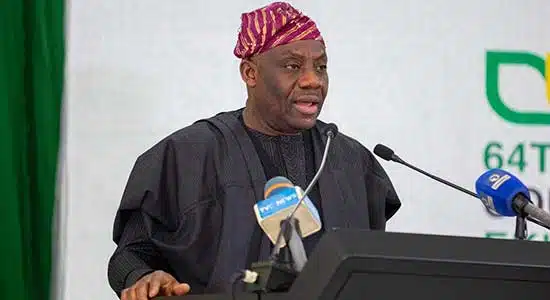
According to Ireporter Online, the Federal Government has reaffirmed that 16 years remains the minimum age requirement for admission into tertiary institutions across Nigeria, stating that the policy is aimed at ensuring a balance between academic readiness and inclusivity.
This position was reiterated on Monday by the Minister of Education, Tunji Alausa, during the 2026 policy meeting on admissions into tertiary institutions held in Abuja. He explained that the decision followed extensive consultations with key stakeholders in the education sector, adding that while provisions exist for exceptionally gifted students, such cases must strictly follow clearly defined guidelines to maintain the integrity of the system.
The Minister stressed that the policy is designed to safeguard the credibility of the education framework, noting that admissions carried out outside the Central Admissions Processing System (CAPS) operated by the Joint Admissions and Matriculation Board (JAMB) would not be recognised. He warned that institutions found violating the approved admission process risk sanctions, including possible withdrawal of operating licences.
Alausa further emphasized that adherence to the CAPS platform is non-negotiable, describing it as the foundation for a transparent and credible admissions system. He added that government would not condone illegal admissions practices and would enforce strict penalties where necessary, including against both public and private institutions.
He also highlighted ongoing reforms in the education sector, particularly the digitalisation of learning and assessment processes. According to him, the government is pushing for the full adoption of computer-based testing in national examinations as part of efforts to align with global best practices and curb examination malpractice through enhanced verification and supervision systems.
The Minister maintained that these reforms are not punitive but necessary steps to restore order, strengthen accountability, and improve the credibility of Nigeria’s education system.

-
 Latest News7 days ago
New Crisis In NDC As Kano Chairman Blocks Kwankwaso’s Takeover Move
-
 Latest News2 weeks ago
Tinubu Appoints Former Power Minister As Special Adviser
-
 Latest News1 week ago
Sh*ck Arrest: Nuhu Ribadu Reportedly Detains NFSS Boss, 6 Others
-
 Latest News2 weeks ago
Senate President Akpabio Declares Jimoh Ibrahim’s Seat Vacant
-
 Latest News6 days ago
You Will End Up On Your Knees When We Retaliate” – Oshiomhole Slams South African President
-
 Latest News1 week ago
Desmond Elliott Begs Gbajabiamila: “I’m Sorry If I’ve Wronged You
-

 Latest News2 weeks ago
Okpebholo Knocks Out Critics As He Tours Ikpoba Hill Flyover With Seun Okinbaloye
-
 Latest News3 days ago
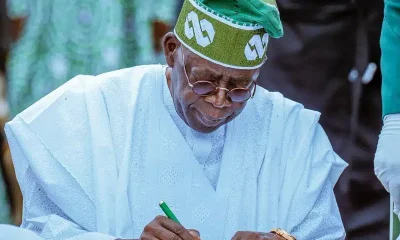
President Tinubu Makes Surprise New Appointment
-

 Latest News1 week ago
Kano Political Shake-Up As Two Lawmakers Defect From ADC
-
 Latest News22 hours ago
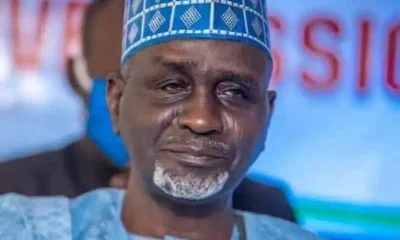
Kano Senate Race: Six APC Aspirants Withdraw, Back Shekarau
-

 Latest News1 week ago
UBA Cracks Down on False Divorce Rumour About Tony Elumelu — Three Arrested
-

 Latest News1 week ago
Family Pleads With Tony Elumelu To Forgive Teen Arrested Over False Post