

Latest News
The Untold Story Behind The Collapse Of Tinubu And Kwankwaso’s Ministerial Appointment Deal

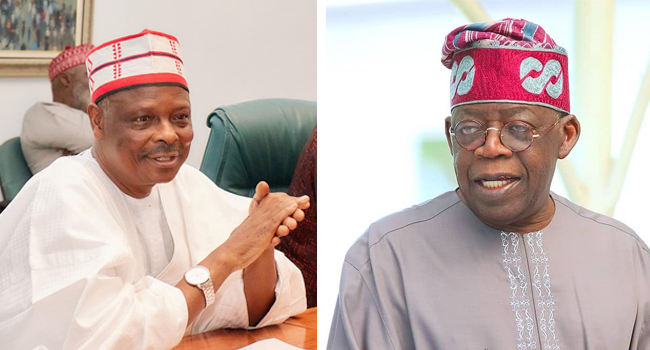
The Untold Story Behind The Collapse Of Tinubu And Kwankwaso’s Ministerial Appointment Deal
As President Bola Ahmed Tinubu prepared to unveil his cabinet nominees for vetting by the National Assembly, his vision for a “Renewed Hope” administration became clearer.
With a commitment to assemble a cabinet of national competence, Tinubu aimed to tap into the expertise of individuals known for their integrity and achievements in their respective fields.
Beyond this, he sought to bridge the political divide by incorporating influential figures from opposition parties, all while acknowledging the contributions of loyal All Progressives Congress (APC) members to his electoral victory.
Read Also PHOTOS Emerge As Kwankwaso Meets Tinubu At Aso Villa Days After Meeting Atiku
Foremost among those approached from the opposition was Senator Rabiu Musa Kwankwaso, the presidential candidate of the New Nigeria Peoples Party (NNPP) and the driving force behind the Kwankwasiyya Movement.
Kwankwaso’s triumph in Kano State during the recent general election showcased his political prowess, defeating established parties and prominent figures.
Read Also BREAKING: Tinubu Makes New Appointments (DETAILS)
Tinubu’s discreet meeting with Kwankwaso in Paris prior to the presidential inauguration hinted at the potential for political re-alignment.
This developing relationship, however, triggered discontent within the APC ranks, especially among figures like Dr. Abdullahi Umar Ganduje, the party’s National Chairman and governor of Kano State.
Ganduje perceived Tinubu’s interactions with Kwankwaso as sidelining him and weakening his influence within the party.
He lamented his exclusion from the Paris meeting, expressing that even symbolic inclusion could have mitigated the perception of marginalization.
Other APC stalwarts, including Abdulmajid Danbilki Kwamanda, voiced their concerns, viewing Kwankwaso’s potential inclusion as a betrayal of their dedication to the party’s cause.
They vowed to resist such an appointment, stressing their commitment to the party’s principles and their role in securing support for Tinubu’s candidacy.
While Kwankwaso’s name was conspicuously absent from the ministerial nominee list submitted to the National Assembly, insiders attributed this to a strategic decision by Tinubu.
The president was reportedly cautious about empowering an opposition figure who might exploit the resources to destabilize his administration.
The demolition of infrastructure developed during Ganduje’s tenure by the NNPP administration further discouraged Tinubu from involving Kwankwaso.
The lack of an official statement regarding Kwankwaso’s anticipated appointment left room for speculation. Bala Ibrahim, Director of Publicity at APC national headquarters, suggested that Ganduje’s legacies influenced this decision.
He highlighted the disruptive actions of Kwankwaso’s Kwankwasiyya Movement, leading Tinubu to prioritize stability and development in Kano State.
Despite these developments, Kwankwaso’s supporters maintained that his willingness to support Tinubu transcended ministerial appointment aspirations. They stressed that Kwankwaso’s experience and leadership could benefit the nation even without a formal role in Tinubu’s cabinet. They noted the long-standing friendship between Kwankwaso and Tinubu, stemming from their collaboration during the formation of APC.
A source within Kwankwaso’s circle revealed that the rejection of the ministerial appointment was a tactical maneuver to safeguard his political influence. Recognizing Tinubu’s strategic acumen, Kwankwaso anticipated potential threats to his established political landscape and dynasty. The emergence of Ganduje as APC national chairman further complicated the power dynamics, as Kwankwaso sought to maintain autonomy and navigate a complex political landscape.
In the end, Tinubu’s cabinet formation journey illustrated the intricate dance of political alliances, power dynamics, and strategic considerations. As Nigeria’s political landscape continued to evolve, the delicate balance between unity, competence, and loyalty remained at the forefront of Tinubu’s decision-making process.

-
 Latest News2 weeks ago
APC Submits National Assembly Candidates’ Names To INEC Portal
-

 Politics1 day ago
Seyi Makinde Makes Big 2027 Move, Names Running Mate
-
 Latest News5 days ago
New Appointment Announced For Former VP Osinbajo
-
 Latest News4 days ago
Zulum Speaks On Gubio’s Running Mate Choice
-
 Latest News2 weeks ago
Uzodimma, Fintiri, Abdurazaq, Other Governors Appear On APC NASS List
-
 Latest News5 days ago
Tinubu Unveils Fresh Appointments For Gbajabiamila, AGF, Others
-
 Politics6 days ago
Key Details Emerge From Meeting Of 18 APC First-Term Governors
-
 Latest News2 weeks ago
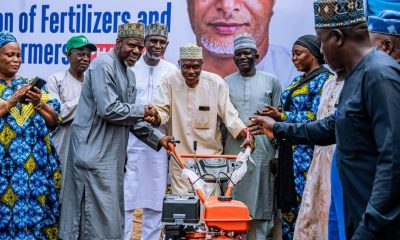
N1.5 BILLION FARM BOOST: Senator Saliu Mustapha Launches Massive Agricultural Intervention, Distributes Fertilisers, Power Tillers, Water Pumps to Thousands of Kwara Farmers
-
 Latest News2 weeks ago
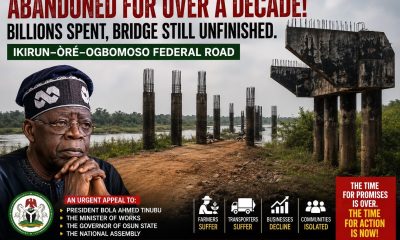
After Billions Spent, Bridge Still Abandoned: Citizens Issue Open Letter to Tinubu, Works Minister, Osun Governor, National Assembly Over ÒRÉ Bridge
-

 Latest News3 days ago
BREAKING: 8 Kidnappers Arrested, Others Eliminated As Oyo Pupils, Teachers Rescued
-
 Politics1 week ago
2027: APC Set To Upload Tinubu, Running Mate This Week
-
 Politics3 days ago
BREAKING: APC Unveils Tinubu’s 2027 Running Mate