

Business
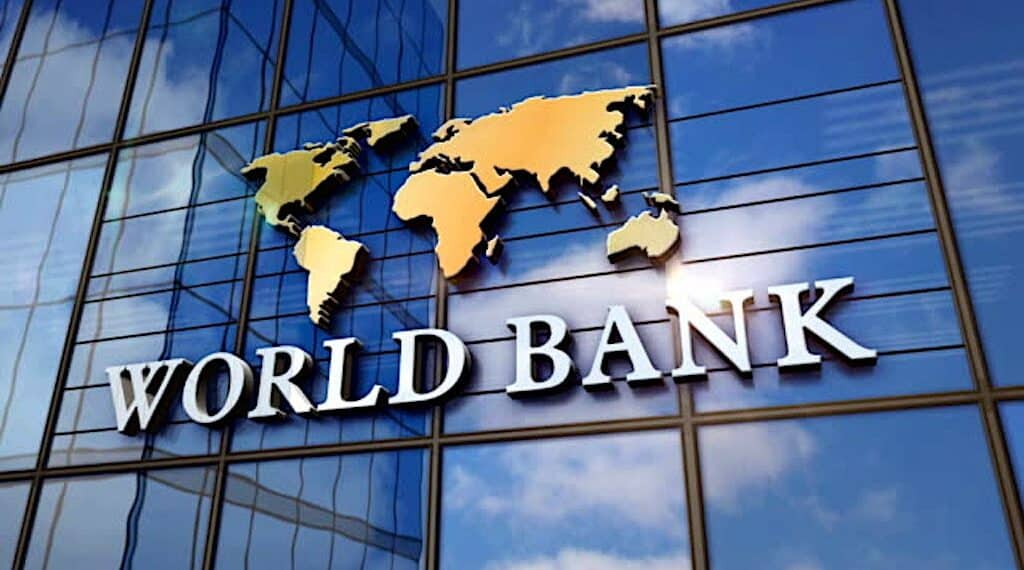
World Bank Forecasts 3.4% Economic Growth For Nigeria And Other African Nations In 2024

World Bank Forecasts 3.4% Economic Growth For Nigeria And Other African Nations In 2024
The World Bank has painted a promising picture for the economic trajectory of African nations, anticipating growth rates to climb from 2.6% in 2023 to 3.4% in 2024, with a further increase to 3.8% projected by 2025……READ ALSO Nigeria Government Looks To Secure $1 Billion Loan From World Bank To Support IDPs
This optimistic outlook, detailed in the latest Africa’s Pulse Report, attributes the anticipated rebound primarily to a surge in private consumption alongside a decrease in inflation across Sub-Saharan Africa.
Despite this positive forecast, the report sounds a note of caution, citing a range of external and internal challenges that could potentially derail the recovery path. These include the unpredictable global economic climate, escalating debt service obligations, recurrent natural disasters, and the exacerbation of conflicts and violence across the region.
While the median inflation rate is expected to moderate from 7.1% to 5.1% in 2024, it will still remain significantly higher than pre-pandemic levels. Additionally, over half of African governments are grappling with external liquidity problems and unsustainable debt, highlighting that the growth rates, though improving, may not be sufficient to substantially impact poverty reduction.
Andrew Dabalen, the World Bank’s Chief Economist for Africa, emphasized the urgent need for transformative policies to address deep-seated inequality, foster sustainable growth, and achieve meaningful poverty reduction. He underscored the inadequacy of current growth models in lifting people out of poverty, stressing the importance of an inclusive approach that enhances the private sector’s ability to create equitable employment opportunities.
Dabalen remarked, “Per capita Gross Domestic Product (GDP) growth of one per cent is associated with a reduction in the extreme poverty rate of only about one per cent in the region, compared to 2.5 per cent on average in the rest of the world. In a context of constrained government budgets, faster poverty reduction will not be achieved through fiscal policy alone. It needs to be supported by policies that expand the productive capacity of the private sector to create more and better jobs for all segments of society.”
Join our channel for more latest news https://whatsapp.com/channel/0029VaV4jB6DuMRgwqnJCF32






-

 Latest News2 weeks ago
BREAKING: Tinubu Appoints New NIPC, NEPZA Board Chairpersons
-

 Politics2 weeks ago
Seyi Makinde Makes Big 2027 Move, Names Running Mate
-

 Entertainment2 weeks ago
We Tried” — Diamond Platnumz’s Wife Announces End Of Marriage
-

 Latest News1 week ago
 -

 Latest News1 week ago
El-Rufai Makes Major Move, Withdraws Three Applications In Corruption Case
-

 Latest News6 days ago
APC Kicks Off 2027 Candidate Upload On INEC Portal
-

 Gist6 days ago
Tinubu Appoints Three Oyo Indigenes To Key Federal Positions
-

 Politics1 week ago
Malami Makes Political Move, Names ADC Deputy Gov Candidate In Kebbi
-

 Latest News2 weeks ago
Full List: Edo Governor Announces 20 New Appointments
-
 Latest News5 days ago
BREAKING: Okpebholo Suspends Edo Commissioner, LPRES Coordinator
-

 Politics2 weeks ago
Umahi Breaks Silence Over Lady’s Death Inside His Residence
-
 Latest News1 week ago
Lukman Walks Away From ADC, Faults El-Rufai