


Politics
Governor Bala Mohammed: My Criticism of Tinubu’s Policies is in Good Faith

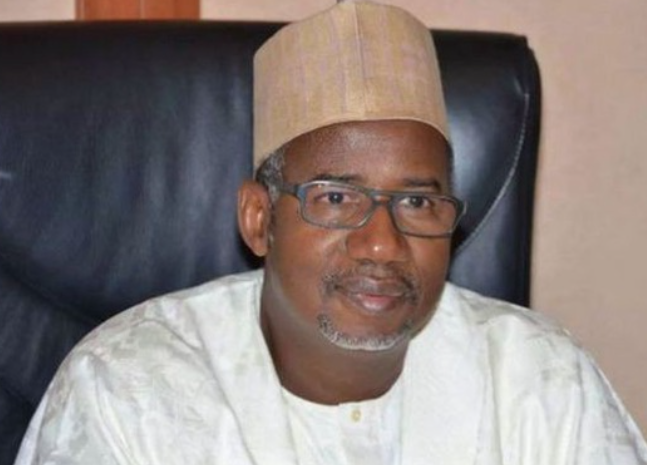
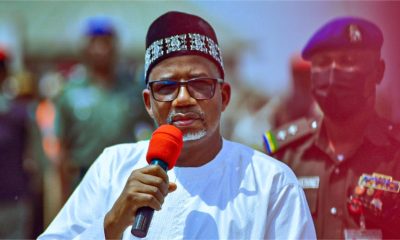
Bauchi State Governor Bala Mohammed has recently clarified that his critique of President Bola Ahmed Tinubu’s policies is driven by a genuine concern for national development, not personal grievances. This assertion came during a State Executive Council (Exco) meeting at the Government House in Bauchi, where Mohammed addressed his criticisms and their intent.
Governor Mohammed’s comments have stirred considerable debate, with some perceiving his remarks as contentious. However, he reassured that his criticisms are rooted in a commitment to improving governance and ensuring that the needs of Nigerians are met effectively. Mohammed emphasized that it is a leader’s duty to voice concerns and discuss policies openly, especially when those policies affect the country’s progress.
“The essence of criticism is to foster improvement and to address issues that may otherwise go unnoticed,” Mohammed stated. “It is not about attacking the president personally but about ensuring that governance remains focused on the well-being of the people.”
He reflected on the recent protests across the country, which he described as an urgent call for attention to the state of governance. According to Mohammed, these protests are indicative of a larger problem where public expectations are not being adequately met. He argued that such public demonstrations are a clear signal that the government must take corrective actions to address the concerns of its citizens.
The governor acknowledged the challenging economic environment both nationally and globally, which has compounded the difficulties faced by ordinary Nigerians. He pointed out that unfavorable national policies and global economic pressures have led to widespread suffering, emphasizing that these factors contribute significantly to the discontent among the populace.
Despite these challenges, Mohammed insisted that his criticisms were meant to be constructive. He highlighted that his aim is not to undermine President Tinubu or his administration but to offer valuable insights that could help in better governance. “My intention is to assist the President and his government in navigating these difficult times,” he explained. “By providing constructive feedback, we hope to support efforts that can lead to positive change and improved living conditions for our people.”
Governor Mohammed’s approach underscores a fundamental aspect of democratic governance: the role of constructive criticism in fostering better leadership. He believes that open dialogue and feedback are crucial for any administration to adapt and address issues effectively. According to him, acknowledging and addressing public grievances is essential for maintaining trust and ensuring that governance remains responsive to the needs of its citizens.
In his speech, Mohammed also touched on the broader implications of policy decisions and their impact on the daily lives of Nigerians. He argued that the government must be attuned to the realities faced by its citizens, particularly in times of economic strain. “It is important for leaders to recognize the challenges faced by their people and to implement policies that offer tangible relief and solutions,” he said.
The governor’s comments come at a time when political discourse in Nigeria is marked by heightened scrutiny and debate over the effectiveness of government policies. Mohammed’s stance reflects a broader sentiment among some leaders who believe that constructive criticism is vital for fostering accountability and improving governance.
In conclusion, Governor Bala Mohammed’s statement serves as a reminder of the importance of open dialogue in a democratic society. His emphasis on constructive criticism and his commitment to supporting President Tinubu in navigating the country’s challenges highlight the role of responsible leadership in addressing public concerns. By framing his criticisms as a means to contribute to national development, Mohammed aims to foster a more responsive and effective governance system that aligns with the needs and aspirations of the Nigerian people.
As Nigeria continues to face economic and governance challenges, leaders like Governor Mohammed play a crucial role in advocating for policies that prioritize the well-being of citizens and promote sustainable development. His approach to criticism underscores the potential for dialogue and feedback to drive positive change and enhance the effectiveness of government policies.


-

 Latest News2 days ago
Olisa Metuh, Tunde Rahman, Abike Dabiri, Others Appointed As Tinubu’s Renewed Hope Ambassadors
-
 Latest News2 weeks ago
Sh*ck Move: Cameroon’s President Biya Names His Son Vice President
-
 Latest News2 weeks ago
Presidency Fires Back At ADC: ‘We Won’t Close Shop Because You’re Struggling
-
 Latest News6 days ago
Iyabo Obasanjo Responds As Senator Yayi Emerges Ogun APC Consensus Candidate
-
 Latest News1 week ago
It’s Obvious I Don’t Own What You Have” – Lamido Blasts Malami Over ‘Thief’ Claims
-
 Latest News2 weeks ago
APC Blocks Bala Mohammed’s Defection — Here’s Why
-

 Latest News2 weeks ago
A Birthday Fit For A Legend : Watch Abubakar Momoh Make A Grand Entrance At Adams Oshiomhole’s Residence
-
 Latest News2 weeks ago
Keyamo Slams Peter Obi, Kwankwaso: ‘They Think They Can Blackmail Everyone
-
 Latest News1 week ago
Tony Akiotu Has Been Appointed As The New Chairman Of The Broadcasting Organisations Of Nigeria
-
 Latest News2 weeks ago
Sh*ck Exit: Akinwumi Steps Down As ADC Secretary
-
 Latest News15 hours ago
ADC Crisis Worsens As Binani Allies Defect In Adamawa
-
 Latest News4 days ago
Why We’re Tolerating Wike – APC Chair Yilwatda Speaks Out