


Gist
Nigeria: Confronting An Epidemic Of Insecurity

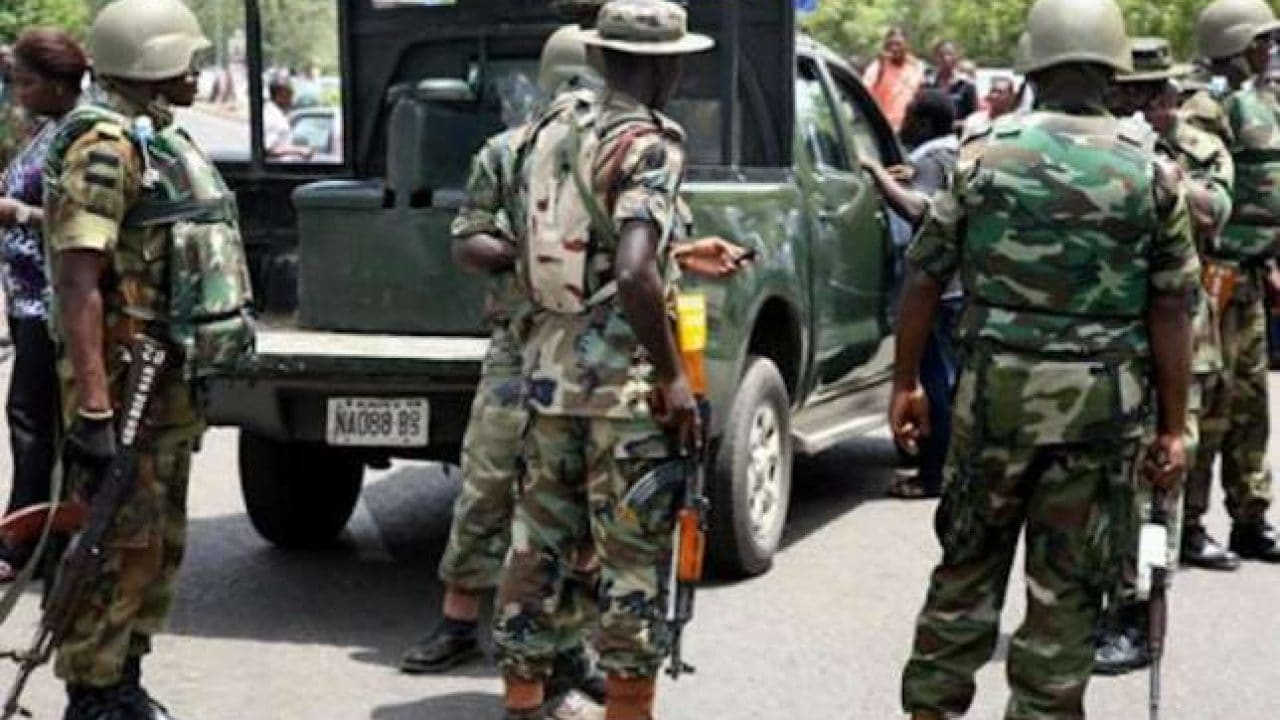
Nigeria: Confronting An Epidemic Of Insecurity
Amidst ongoing efforts by Nigeria’s security agencies to combat banditry and terrorism, armed groups continue to wreak havoc, resulting in significant suffering and loss of life across various regions. The question arises: Has the security framework in Nigeria failed? Are the agencies overwhelmed or rendered ineffective? Moreover, have previous governments been negligent in addressing the deepening security crisis due to political motivations or a desire to avoid confrontation? Currently, the Middle-Belt region appears particularly vulnerable, as local agricultural communities are frequently displaced and deprived of their livelihoods due to relentless attacks by armed groups. Experts like Professor Sebastine Hon, Ebun-Olu Adegboruwa, Adesegun Talabi, and Major Ben Aburime (Rtd) analyze the multifaceted challenges in Nigeria’s battle against terrorism, calling for innovative strategies and solutions to address the country’s pervasive insecurity….READ MORE…
Nigeria on the Brink
Professor Sebastine T. Hon, SAN, argues that Nigeria stands at a critical juncture—a situation not unfamiliar since Independence. However, recent developments pose unprecedented threats to national unity and public safety. Governments at both federal and state levels must act decisively to avert a complete breakdown of law and order driven by sectarian, ethnic, and political tensions. There is overwhelming public sentiment supporting the need for change.
The violence that began several decades ago has escalated alarmingly. The recent and brutal murder of 16 northern hunters in Edo State exemplifies a climate of fear and volatility. The ease with which a serving police officer publicly incited retaliatory acts underscores the perilous state of affairs. While these murders are horrific, they are part and parcel of a broader pattern of violence perpetrated against sedentary farmers by herdsmen over decades, which many commentators have overlooked.
This alarming trend reflects a systematic disregard for human life, constituting an ongoing crisis. The term “genocide” aptly characterizes what communities endure under the assault, as it denotes the targeted annihilation of groups based on ethnicity or other identifiers. The United Nations defines genocide as the deliberate pursuit to destroy, in whole or part, a national or ethnic group, encapsulating the scope of violence currently evident in Nigeria.
The Nigerian government bears a profound obligation under international law to intervene and prevent the ongoing genocide. Nigeria became a signatory to the Genocide Convention on December 9, 2009, thus binding itself to its principles. This legal-oriented perspective must extend to safeguarding the right to life enshrined in the Nigerian Constitution, which is being severely undermined by the ongoing violence.
Government Accountability and the Right to Defense
Nigeria’s Constitution explicitly guarantees the right to life but allows exceptions in situations involving law enforcement and self-defense. In light of rampant insecurity, citizens may feel compelled to take matters into their own hands. However, resorting to unjustified violence against innocents is not the solution. Instead, individuals have a legal right to defend themselves proportionately when confronted with threats to their lives.
It is imperative that both the federal government and state authorities confront the increasing violence assertively. Nigerian leaders, particularly governors, must acknowledge their crucial role as Chief Security Officers of their respective areas, rather than passively observing as their communities suffer.
Conclusion: The Imperative of Action
The responsibility for addressing the pervasive insecurity in Nigeria ultimately lies with President Bola Ahmed Tinubu and state governors who must hold accountable those engaged in violence against innocent civilians. While people have the right to defend their lives and property, this must be executed justly and lawfully. Nigeria cannot become a hub for unchecked violence—this is both a legal and moral imperative.
A Call for Equal Treatment and Justice
Ebun-Olu Adegboruwa, SAN, highlights the gravity of the situation faced by Nigerian citizens as a life-threatening crisis. Valuable rights must be respected by the government, which has consistently failed to ensure the safety of its people. The systemic violence has resulted in targeting innocent communities and creating a sense of impunity amongst aggressors.
The Nigerian government must respond robustly to all acts of violence, regardless of the ethnic or religious affiliations of the victims or perpetrators. Without equitable treatment and a commitment to justice, the cycle of violence will persist, causing further instability.
Restructuring the armed forces and enhancing community policing efforts while fostering national cohesion is vital. Economic inclusion and legal reforms on grazing policies must also be pursued thoughtfully, with an emphasis on peaceful coexistence.
Addressing the Root Causes of Insecurity
Adesegun Talabi elucidates that Nigeria’s insecurity stems from a web of historical grievances, economic despair, and governance failures. To ameliorate the situation, it is critical to restore state legitimacy through effective governance, economic opportunities, and a comprehensive security overhaul.
International partners also play a key role in addressing this crisis, and their involvement must be constructive rather than punitive. Overall, genuine dialogue, grassroots engagement, and adherence to legal frameworks are vital for achieving long-term peace and stability in Nigeria.
Understanding The Dynamics Of Herdsmen Violence
Major Ben Aburime (Rtd) elaborates on the complex dynamics of conflicts involving armed herdsmen. Understanding historical contexts and addressing violations stemming from local grievances is fundamental to resolving the ongoing violence. Climate challenges combined with government policies that favor migration of herdsmen into agricultural territories exacerbate tensions between herdsmen and farmers.
Solutions must be systematically implemented, emphasizing legal rights, economic justice, and a shift towards sustainable ranching practices instead of maladroit law enforcement measures. The government must commit to protecting its citizens and dismantling the cycles of violence driven by neglect and marginalization.
In summary, Nigeria faces a critical moment where decisive, equitable, and lawful action is required to ensure the safety and dignity of its people in the face of escalating violence and political strife.

-

 Latest News2 days ago
Olisa Metuh, Tunde Rahman, Abike Dabiri, Others Appointed As Tinubu’s Renewed Hope Ambassadors
-

 Latest News2 weeks ago
Sh*ck Move: Cameroon’s President Biya Names His Son Vice President
-

 Latest News2 weeks ago
Presidency Fires Back At ADC: ‘We Won’t Close Shop Because You’re Struggling
-
 Latest News6 days ago
Iyabo Obasanjo Responds As Senator Yayi Emerges Ogun APC Consensus Candidate
-
 Latest News1 week ago
It’s Obvious I Don’t Own What You Have” – Lamido Blasts Malami Over ‘Thief’ Claims
-

 Latest News2 weeks ago
APC Blocks Bala Mohammed’s Defection — Here’s Why
-

 Latest News2 weeks ago
A Birthday Fit For A Legend : Watch Abubakar Momoh Make A Grand Entrance At Adams Oshiomhole’s Residence
-

 Latest News2 weeks ago
Keyamo Slams Peter Obi, Kwankwaso: ‘They Think They Can Blackmail Everyone
-

 Latest News2 weeks ago
Sh*ck Exit: Akinwumi Steps Down As ADC Secretary
-

 Latest News1 week ago
Tony Akiotu Has Been Appointed As The New Chairman Of The Broadcasting Organisations Of Nigeria
-
 Latest News4 days ago
Why We’re Tolerating Wike – APC Chair Yilwatda Speaks Out
-

 Latest News13 hours ago
ADC Crisis Worsens As Binani Allies Defect In Adamawa