


Latest News
Presidency Reveals Why Tinubu Raised 2026 Budget To ₦58.18 Trillion

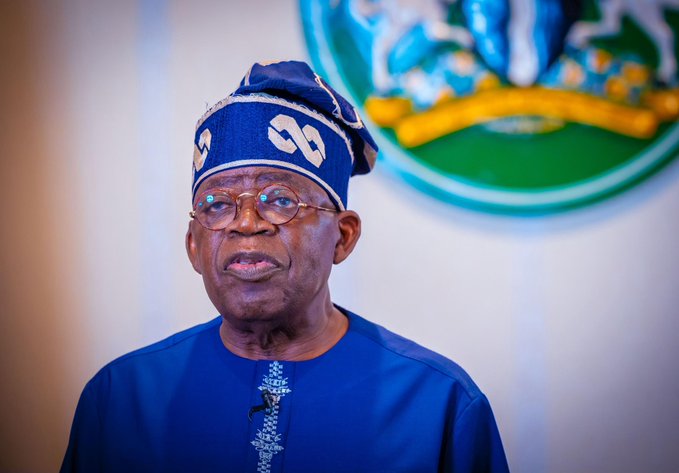
According to Ireporter Online, a senior source within the Presidency has explained the rationale behind the increase in the 2026 Federal Government budget from the initial ₦54.46 trillion outlined in the Medium-Term Expenditure Framework to ₦58.18 trillion.

-

 Latest News5 days ago
Olisa Metuh, Tunde Rahman, Abike Dabiri, Others Appointed As Tinubu’s Renewed Hope Ambassadors
-
 Latest News1 week ago
Iyabo Obasanjo Responds As Senator Yayi Emerges Ogun APC Consensus Candidate
-

 Latest News2 weeks ago
Presidency Fires Back At ADC: ‘We Won’t Close Shop Because You’re Struggling
-
 Latest News2 weeks ago
It’s Obvious I Don’t Own What You Have” – Lamido Blasts Malami Over ‘Thief’ Claims
-

 Latest News2 days ago
Tinubu Greenlights New Police Academy Campus, Releases ₦15B Boost
-

 Latest News9 hours ago
Tinubu Seeks Senate Approval For Darma As Minister, Yuguda As CBN Deputy Governor
-

 Latest News13 hours ago
Tinubu Announces Major Shake-Up In Education Sector, Releases Full List Of New Appointments
-

 Latest News3 days ago
Senator Abbo Quits ADC In Sh*ck Political Move
-
 Latest News4 days ago
ADC Crisis Worsens As Binani Allies Defect In Adamawa
-
 Latest News9 hours ago
Court Grants PDP Factional Chairman Turaki ₦100m Bail
-
 Latest News2 weeks ago
Tony Akiotu Has Been Appointed As The New Chairman Of The Broadcasting Organisations Of Nigeria
-
 Latest News1 week ago
Why We’re Tolerating Wike – APC Chair Yilwatda Speaks Out