


Latest News
Cameroon Dam Crisis: Residents In Floodplain Areas Ignoring Evacuation Warnings

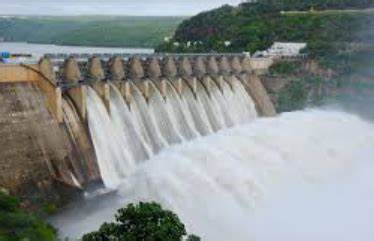
Cameroon Dam Crisis: Residents In Floodplain Areas Ignoring Evacuation Warnings
As warnings from the Nigeria Hydrological Services Agency (NIHSA) about impending floods continue to escalate, concerns over the safety of residents in Kogi, Benue, and other high-risk states are growing. Despite repeated advisories from the Federal Government, many residents remain hesitant to evacuate.
NIHSA has specifically identified these states as highly vulnerable to flooding, urging residents to take the evacuation orders seriously. In a recent statement, the agency highlighted that water will soon be released from Cameroon’s Lagdo Dam into the River Niger and River Benue, which could result in significant flooding.
Flood-prone states such as Adamawa, Taraba, Benue, Nasarawa, Kogi, Edo, Delta, Anambra, Bayelsa, Cross River, and Rivers are most at risk. NIHSA Director General, Umar Muhammed, explained that the water release from the dam will begin on September 17, 2024, at a gradual rate of 100 cubic meters per second, but it could increase depending on inflows from the Garoua River, which feeds the Benue River.
Speaking on Thursday during a Channels Television program, the NIHSA director reiterated the urgent need for residents living in floodplains to relocate to safer areas to avoid the potential devastation caused by the annual release of water from the Lagdo Dam.
However, despite these warnings, many residents in the affected areas remain reluctant to leave. During visits to these regions, our correspondents observed that some locals, particularly in Makurdi, Benue state capital, have yet to relocate. Some cite a lack of alternative housing, while others believe previous warnings were exaggerated. One resident, Austin, explained that he had no relatives to stay with and therefore had no option but to remain, while another, Madam Danladi, stated that although she had moved her children, she and her husband chose to stay behind.
In contrast, state governments have begun preparing for the worst. The Kogi State Government announced the activation of 42 internally displaced persons’ camps, while Adamawa State and Cross River State have launched sensitisation campaigns in flood-prone areas. The Taraba and Anambra State Governments have also intensified their flood preparedness measures, setting up temporary settlements for residents at risk.
These efforts are part of a broader attempt to mitigate the dangers of flooding, a recurring issue in Nigeria, exacerbated by the Lagdo Dam releases. Unfortunately, despite these proactive measures, many communities remain vulnerable due to inadequate infrastructure, lack of public trust in government warnings, and the deeply rooted emotional and economic ties residents have to their homes.
The recurring devastation from the Lagdo Dam and the absence of Nigeria’s proposed Dasin Hausa Dam, which was meant to serve as a buffer, only highlights the pressing need for long-term solutions to the country’s flooding challenges.

-

 Latest News2 days ago
BREAKING: Tinubu Appoints New NIPC, NEPZA Board Chairpersons
-

 Latest News7 days ago
Zulum Speaks On Gubio’s Running Mate Choice
-

 Politics4 days ago
Seyi Makinde Makes Big 2027 Move, Names Running Mate
-

 Latest News1 week ago
New Appointment Announced For Former VP Osinbajo
-

 Latest News1 week ago
Tinubu Unveils Fresh Appointments For Gbajabiamila, AGF, Others
-

 Politics1 week ago
Key Details Emerge From Meeting Of 18 APC First-Term Governors
-

 Latest News6 days ago
BREAKING: 8 Kidnappers Arrested, Others Eliminated As Oyo Pupils, Teachers Rescued
-

 Entertainment3 days ago
We Tried” — Diamond Platnumz’s Wife Announces End Of Marriage
-

 Politics2 weeks ago
2027: APC Set To Upload Tinubu, Running Mate This Week
-

 Politics6 days ago
BREAKING: APC Unveils Tinubu’s 2027 Running Mate
-

 Latest News1 week ago
Female Journalist Reportedly Taken Into DSS Custody
-

 Latest News2 weeks ago
Ganduje Speaks Out On Rumours Of Dumping APC For NDC