

Latest News
FG Hails S&P Upgrade Of Nigeria’s Sovereign Credit Rating

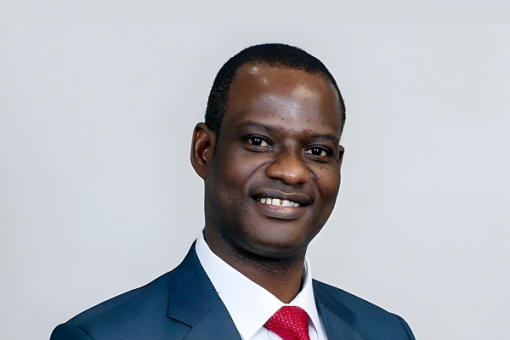
Nigeria’s economic reform agenda has received a fresh boost following the decision of S&P Global Ratings to upgrade the country’s sovereign credit rating from “B-” to “B” with a stable outlook, a development the Federal Government says reflects growing confidence in the nation’s economic direction.
According to Ireporter Online, the Federal Government described the upgrade as a strong signal that international investors are gradually regaining trust in Nigeria’s economy, following a series of recent positive assessments from global rating agencies including Fitch Ratings and Moody’s.
Reacting to the development, the Minister of Finance and Coordinating Minister of the Economy, Taiwo Oyedele, said the latest rating upgrade further validates ongoing reform efforts under the Tinubu administration, which he noted are beginning to strengthen fiscal stability and improve economic management.
He explained that key policy interventions such as foreign exchange market reforms, improved fiscal discipline, and enhanced revenue mobilisation are gradually fostering a more transparent and predictable economic environment.
Oyedele added that improvements in external reserves, rising oil production, expanded local refining capacity, and better export performance were among the factors that influenced S&P’s decision to revise Nigeria’s outlook upward.
He further noted that ongoing tax reforms, debt management strategies, and efforts to expand government revenue streams are already easing debt pressures and improving long-term fiscal sustainability.
The minister stated that the positive outlook from global rating agencies sends a reassuring message to investors and development partners that Nigeria is making measurable progress in rebuilding economic credibility.
While welcoming the development, Oyedele stressed that the government remains committed to sustaining its reform agenda, including maintaining a market-driven economy and ensuring consistency in key policy decisions.
He reiterated that reforms such as the removal of fuel subsidies remain critical to stabilising public finances, curbing inefficiencies, and redirecting resources toward infrastructure and social development.
According to him, although significant challenges such as inflation, unemployment, and food insecurity persist, the administration is focused on ensuring that ongoing reforms translate into tangible improvements in living standards.
Oyedele expressed optimism that continued policy implementation would attract increased investment, strengthen economic resilience, and position Nigeria for more sustainable growth in the long term.

-
 Latest News3 days ago
Full List: Tinubu Gives Approval For New Appointments
-
 Latest News2 weeks ago
New Crisis In NDC As Kano Chairman Blocks Kwankwaso’s Takeover Move
-

 Latest News5 days ago
APC Expels 30 Members Over Legal Action Against Party
-

 Latest News20 hours ago
Kaduna APC House Of Reps Aspirant Pulls Out Of The Race
-
 Latest News2 weeks ago
You Will End Up On Your Knees When We Retaliate” – Oshiomhole Slams South African President
-
 Latest News2 days ago
Full List: NJC Recommends 12 Justices For Court Of Appeal, Suspends Two Judges Over Misconduct
-

 Latest News7 days ago
Kano Senate Race: Six APC Aspirants Withdraw, Back Shekarau
-
 Latest News1 week ago
President Tinubu Makes Surprise New Appointment
-

 Latest News2 weeks ago
UBA Cracks Down on False Divorce Rumour About Tony Elumelu — Three Arrested
-

 Latest News2 weeks ago
Kano Political Shake-Up As Two Lawmakers Defect From ADC
-

 Latest News2 weeks ago
Family Pleads With Tony Elumelu To Forgive Teen Arrested Over False Post
-

 Latest News1 week ago
BREAKING: Prominent Lagos Monarch Passes Away