

Latest News
FG Launches Ambitious Industrial Drive To Flood Market With 4 Million Tonnes Of Ammonia!

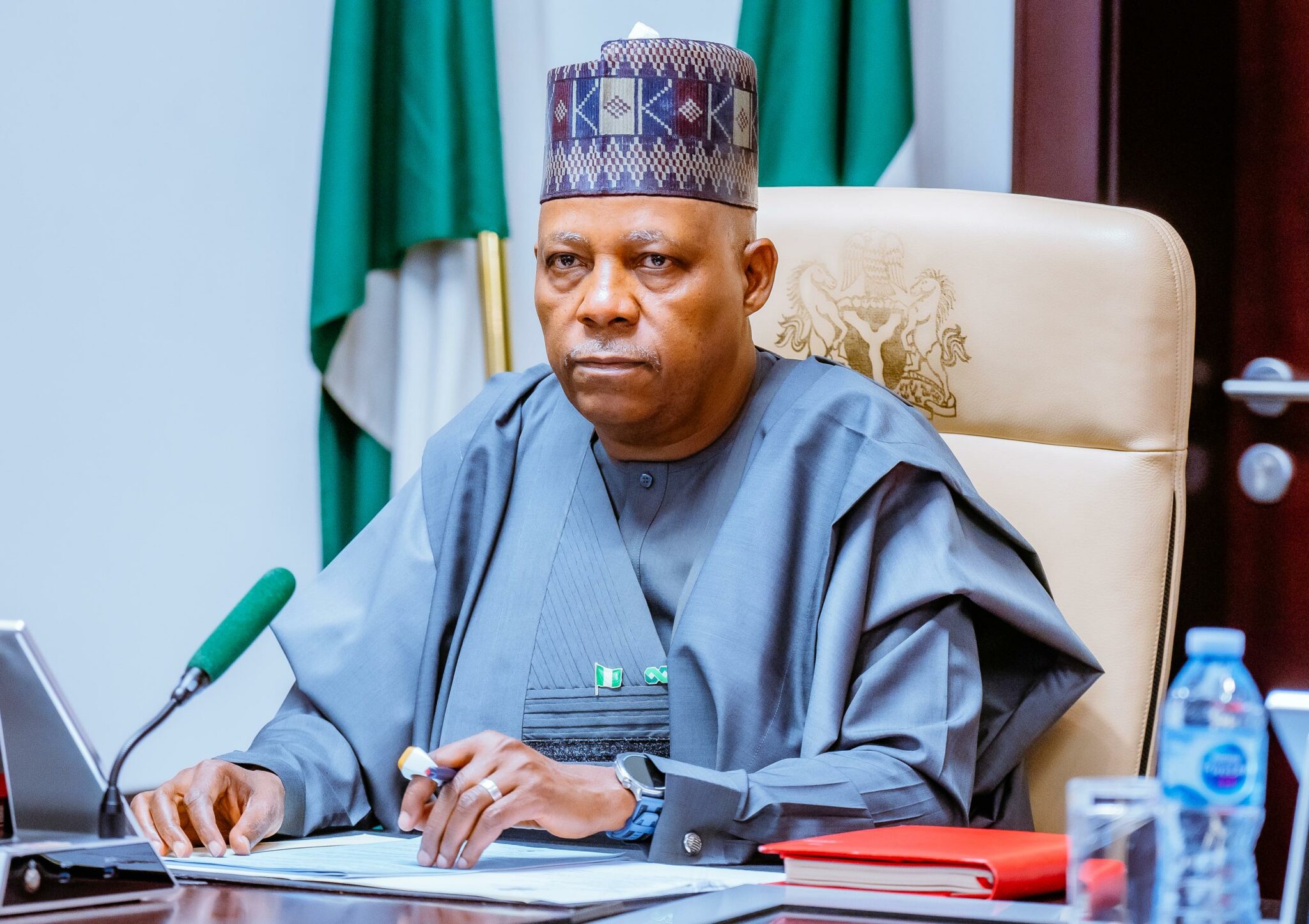
FG Targets 4 Million Tonnes of Green Ammonia Annually by 2060 in Bold Energy Transition Drive
In a bold move to transition Nigeria from fossil fuels to cleaner energy, the Federal Government has unveiled an ambitious plan to produce over four million tonnes of green ammonia annually by 2060.
This initiative is a key component of the broader Nigeria for Hydrogen (Nigeria4H2) project, designed to drive sustainable fertiliser production and unlock economic potential in the country’s emerging green energy sector.
The announcement was made during the Nigeria4H2 Stakeholders’ Workshop held at the Presidential Villa in Abuja.
The event, which brought together top government officials, academia, and international development partners, reviewed Nigeria’s roadmap for harnessing green hydrogen as part of its clean energy future, according to iReporter Online.
Vice President Kashim Shettima, represented by his Special Adviser on Economic Affairs, Tope Fasua, emphasized the importance of investing in green hydrogen as a key pillar in diversifying Nigeria’s energy sources and securing a foothold in the global green economy. He described the project as Nigeria’s “strategic and decisive response” to the global climate crisis.
“This initiative marks our unwavering commitment to a future where energy security and environmental protection go hand in hand. Green hydrogen, derived from renewable sources like sunlight and wind, offers Nigeria a transformative opportunity to cut carbon emissions, create jobs, and build a resilient economy,” Shettima stated.
He further highlighted Nigeria’s comparative advantage, citing its abundance of renewable resources, strategic location, and a young, dynamic population.
While acknowledging possible capital investment challenges, he stressed that the economic impact of green hydrogen production could be monumental, opening new revenue streams and attracting significant foreign direct investment.
The Nigeria4H2 project, spearheaded by the West African Science Service Centre on Climate Change and Adapted Land Use (WASCAL), in collaboration with Nigerian universities and the German government, aims to develop green ammonia from green hydrogen to support domestic fertiliser production.
Speaking at the workshop, WASCAL Executive Director, Prof. Emmanuel Ramde, projected that with adequate investments, regulatory clarity, and infrastructure, Nigeria could exceed four million tonnes of green ammonia production annually by 2060.
He noted that this would not only meet domestic fertiliser demand but also position Nigeria as a global player in the green economy, according to iReporter Online.
“This would revolutionize fertiliser supply chains, empower farmers, reduce reliance on imports, and create thousands of green jobs across the value chain,” Ramde added.
He emphasized the country’s significant competitive advantages, including solar, wind, water resources, and a youthful workforce.
The study also advocated for a robust national green hydrogen strategy, expanded renewable energy infrastructure, and the integration of green ammonia into fertiliser policies, It called for domestic electrolyser production and more localised green energy projects.
In a keynote address, Dr. Mustapha Abdullahi, Director-General of the Energy Commission of Nigeria, represented by Ibrahim Sulu, revealed that a National Hydrogen Policy and Strategy had already been developed.
This blueprint aligns with President Bola Ahmed Tinubu’s Renewed Hope Agenda and charts a clear course for decarbonising Nigeria’s industries while boosting innovation and private sector investment.
Sulu disclosed that pilot projects would commence between 2026 and 2028, including a 50MW green hydrogen plant at the Kano Solar Park, rural hybrid microgrids, and carbon capture initiatives. He projected that by 2035, Nigeria could attract $5 billion in private investment, create 500,000 jobs, and earn $10 billion annually from hydrogen exports.
Plans are also underway to establish a National Hydrogen Council, chaired by the Vice President, with subcommittees dedicated to domestic usage and export strategies.
“Hydrogen can help cut our industrial carbon emissions by 20% by 2030,” Sulu stated, urging stakeholders to explore partnerships in technology transfer, hydrogen-powered transport, and policy advocacy.
The Energy Commission will also lead the energy security component of Nigeria’s Inter-Ministerial Committee on Research and Innovation, inaugurated in May, where green hydrogen has been identified as a critical national priority, according to iReporter Online.
In closing, Vice President Shettima called on the private sector, academia, and civil society to join forces in unlocking Nigeria’s green hydrogen future.
“This endeavour requires collective resolve and ingenuity. Let us work together to turn Nigeria into a hub of green innovation and secure a sustainable future for generations to come,” he said.
”IREPORTER REPORTS”

-

 Latest News5 days ago
Tinubu Govt Declares Nationwide Public Holiday For Nigerians
-

 Latest News2 weeks ago
Tinubu Approves New Ports Regulator For Nigeria
-

 Latest News1 week ago
Tinubu Meets Akpabio, Doguwa, Oyetola, Alake At Aso Rock
-

 Entertainment3 days ago
₦800,000, ₦5m, $11,000: Ogogo’s Daughter Accuses Nigerians Of Exploiting Father’s Cancer
-

 Latest News1 week ago
INEC Makes Fresh Announcement After Declaring Adeleke Winner Of Osun Election
-

 Latest News4 days ago
APC Chairman Collapses, D!es
-

 Latest News2 days ago
Uzodinma Won’t Market Tinubu To Igbos’ – Oshiomhole Reveals Who Should Help
-

 Latest News3 days ago
Tinubu Renews Appointments In NTA, NAN
-

 Latest News2 weeks ago
Edo Gov Reshuffles Cabinet, Creates New Ministry — Full List
-

 Gist2 weeks ago
Your Uncle Adeleke Is The Real Arindin’ – Sowore Fires Back At Davido
-

 Latest News21 hours ago
FG Announces New Appointment
-

 Entertainment1 week ago
Ogogo’s Family Breaks Silence, Debunks Viral D**th Rumour