


Latest News
Fresh Tension In Gulf As Iran Drone Attack Hits Kuwait Refinery

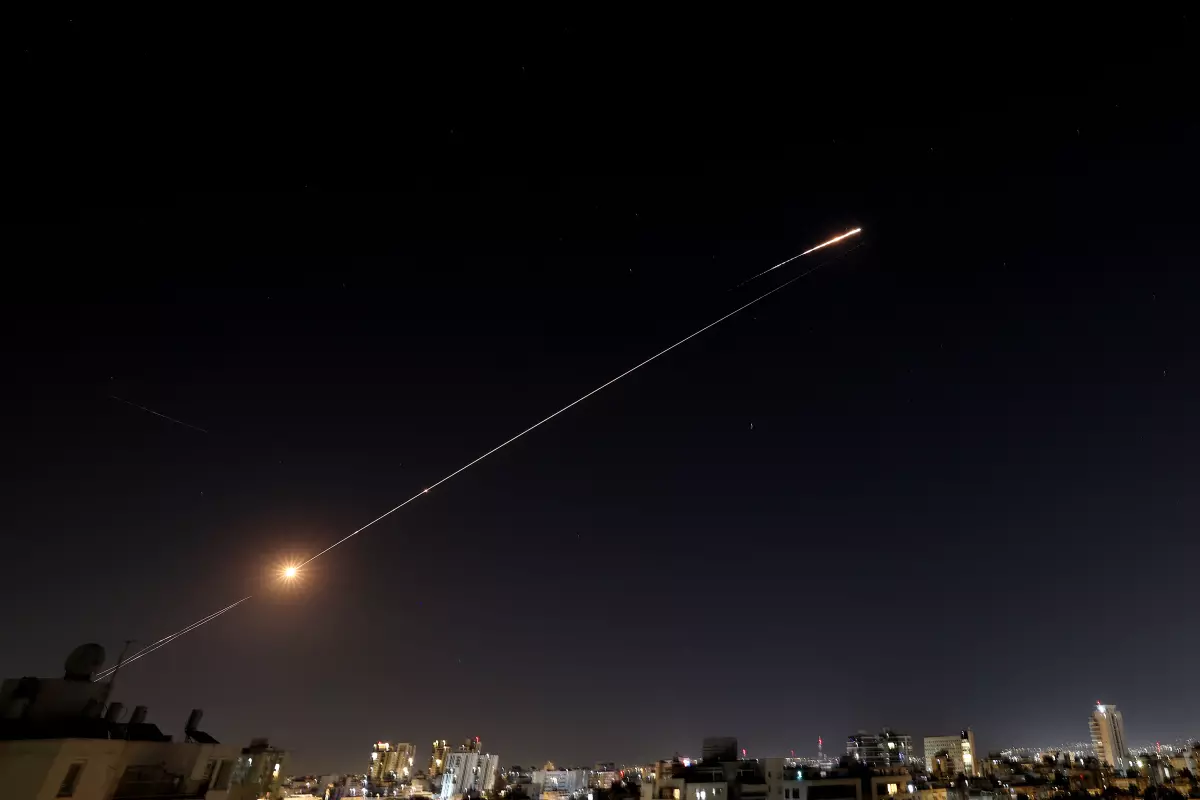
According to Ireporter Online, firefighters in Kuwait battled a significant blaze at the Mina Al-Ahmadi refinery on Friday following a drone attack, as tensions in the Gulf escalated with fresh strikes attributed to Iran. The refinery, one of Kuwait’s largest, was targeted just a day after a separate assault on Qatar’s Ras Laffan gas facility, a key liquefied natural gas hub critical to global energy markets.
The attacks come amid Iran’s vow of retaliation after an Israeli strike damaged its South Pars gas field, the world’s largest known gas reserve. Despite repeated appeals from European leaders to halt attacks on energy infrastructure, hostilities across the region have intensified. Iran’s Revolutionary Guards insisted that its military production capabilities remain unaffected. A spokesperson, Ali Mohammad Naini, stated that missile production continues “even under wartime conditions,” though he was later confirmed killed in US-Israeli strikes.
Israeli Prime Minister Benjamin Netanyahu expressed confidence that Israel and its allies were gaining the upper hand, suggesting the conflict could conclude more quickly than anticipated. He also hinted at the potential need for a “ground component” in Tehran, without providing further details.
The strikes have sent ripples through global energy markets. The attack on Qatar’s Ras Laffan facility alone is estimated to cause $20 billion in annual losses, with repairs potentially taking up to five years. Energy analyst Robert Pape warned that sustained damage could trigger a global economic crisis, noting that “short disruptions create price volatility. Sustained damage creates lasting economic shock.” Oil prices initially fell following Netanyahu’s remarks but later recovered after news of the Kuwait refinery fire, with Brent crude trading around $108 per barrel and West Texas Intermediate at $94.
Concerns are also growing over Iran’s control of the Strait of Hormuz, a crucial maritime chokepoint through which nearly one-fifth of the world’s oil and liquefied natural gas passes. French President Emmanuel Macron indicated that France would engage the UN Security Council to secure navigation once hostilities subside.
Meanwhile, Iranian state media reported multiple missile attacks on Israel, with explosions heard over Jerusalem, though no casualties were immediately confirmed. The United Arab Emirates also reported missile attacks, and Saudi Arabia intercepted more than a dozen drones early Friday. The wave of violence coincided with Gulf nations observing Eid al-Fitr and marked a grim backdrop to traditional celebrations.
The conflict has extended into Lebanon, where Israeli airstrikes targeted regions in the south, east, and the capital, Beirut, following rocket fire from Hezbollah. Lebanon’s health ministry reported over 1,000 deaths, prompting Lebanese President Joseph Aoun to renew calls for a ceasefire during talks with French officials.
Across the region, citizens have faced uncertainty and disruption. In Beirut, residents described Eid celebrations as muted due to economic hardship and displacement. In Iran, Nowruz coincided with Ramadan’s end, with some residents expressing cautious hope that the New Year would begin without further attacks.

-
 Latest News2 weeks ago
BREAKING: Tinubu Appoints New NIPC, NEPZA Board Chairpersons
-

 Latest News2 weeks ago
 -

 Latest News2 weeks ago
El-Rufai Makes Major Move, Withdraws Three Applications In Corruption Case
-

 Latest News1 week ago
APC Kicks Off 2027 Candidate Upload On INEC Portal
-

 Politics1 week ago
Malami Makes Political Move, Names ADC Deputy Gov Candidate In Kebbi
-

 Gist1 week ago
Tinubu Appoints Three Oyo Indigenes To Key Federal Positions
-

 Latest News1 week ago
BREAKING: Okpebholo Suspends Edo Commissioner, LPRES Coordinator
-

 Latest News2 weeks ago
Full List: Edo Governor Announces 20 New Appointments
-

 Politics1 week ago
Ikeja Bomb Blast Linked Tinubu, Pedro, Sanwo-Olu — Ex-Aide
-
 Latest News2 weeks ago
Lukman Walks Away From ADC, Faults El-Rufai
-

 Gist13 hours ago
Davido Fires Back At MC Oluomo Over Osun NURTW Crisis
-

 Latest News6 days ago
Tinubu Steps In To End Oyo APC Crisis, Meets Folarin