


health
Minister Highlights Key Factors Driving Tuberculosis Cases In Nigeria

Minister Highlights Key Factors Driving Tuberculosis Cases In Nigeria
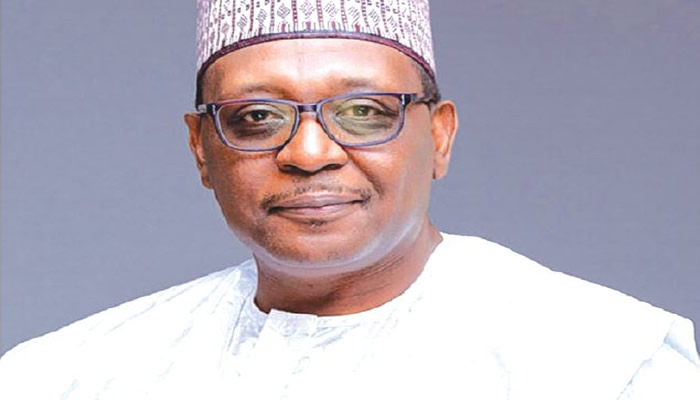
Prof. Muhammad Pate, the Coordinating Minister of Health and Social Welfare, identified undernutrition, HIV, diabetes, smoking, and alcohol use as primary contributors to the rising cases of tuberculosis (TB) in Nigeria. Speaking at a press briefing to mark World TB Day, he emphasized that the working-age group (15-44 years) is most affected by the disease.
Pate, represented by Dr. Nse Akpan, Director of Port Health Services, revealed that Nigeria is one of the ten countries grappling with the combined challenges of TB, drug-resistant TB, and HIV-associated TB. In 2023, approximately 71,000 Nigerians died from TB, but only one in four people have accurate knowledge of the disease….READ MORE….
He highlighted the government’s commitment to eradicating TB, citing efforts such as expanding rapid molecular testing, increasing treatment centers, and employing mobile digital X-ray units with artificial intelligence to improve TB screening. These initiatives are part of the National Strategic Plan for TB (2021-2026), which has contributed positively to detecting more TB cases, including asymptomatic ones.
Additionally, the government raised $50 million through a bond, half of which came from the private sector, to support TB control efforts. Prof. Pate also acknowledged the financial challenges faced by TB patients, with 71% incurring catastrophic costs while seeking care. To combat this, the National Leprosy and Tuberculosis Control Programme introduced the Nigeria One Impact Free Skill Acquisition Programme, helping TB-affected individuals, especially women, with economic stability and recovery.
Ms. Uzoma Nwofor, Senior Communications Manager at the Institute of Human Virology Nigeria, linked the spread of TB to socioeconomic factors like poverty, malnutrition, overcrowding, and inadequate healthcare access. According to the 2022 Multidimensional Poverty Index, 63% of Nigerians live in poverty, contributing to the ongoing TB crisis.
The World Health Organization’s Dr. Walter Mulombo called for sustained funding to ensure the continuity of TB control efforts, especially in light of USAID’s suspension of funding. He urged increased domestic investment to ease the burden on affected communities and maintain essential TB treatment resources.

-

 Latest News2 weeks ago
BREAKING: Tinubu Appoints New NIPC, NEPZA Board Chairpersons
-

 Politics2 weeks ago
Seyi Makinde Makes Big 2027 Move, Names Running Mate
-

 Entertainment2 weeks ago
We Tried” — Diamond Platnumz’s Wife Announces End Of Marriage
-

 Latest News1 week ago
 -

 Latest News1 week ago
El-Rufai Makes Major Move, Withdraws Three Applications In Corruption Case
-

 Latest News6 days ago
APC Kicks Off 2027 Candidate Upload On INEC Portal
-

 Politics1 week ago
Malami Makes Political Move, Names ADC Deputy Gov Candidate In Kebbi
-

 Gist6 days ago
Tinubu Appoints Three Oyo Indigenes To Key Federal Positions
-

 Latest News1 week ago
Full List: Edo Governor Announces 20 New Appointments
-

 Latest News5 days ago
BREAKING: Okpebholo Suspends Edo Commissioner, LPRES Coordinator
-

 Politics2 weeks ago
Umahi Breaks Silence Over Lady’s Death Inside His Residence
-

 Latest News1 week ago
Lukman Walks Away From ADC, Faults El-Rufai