


Business
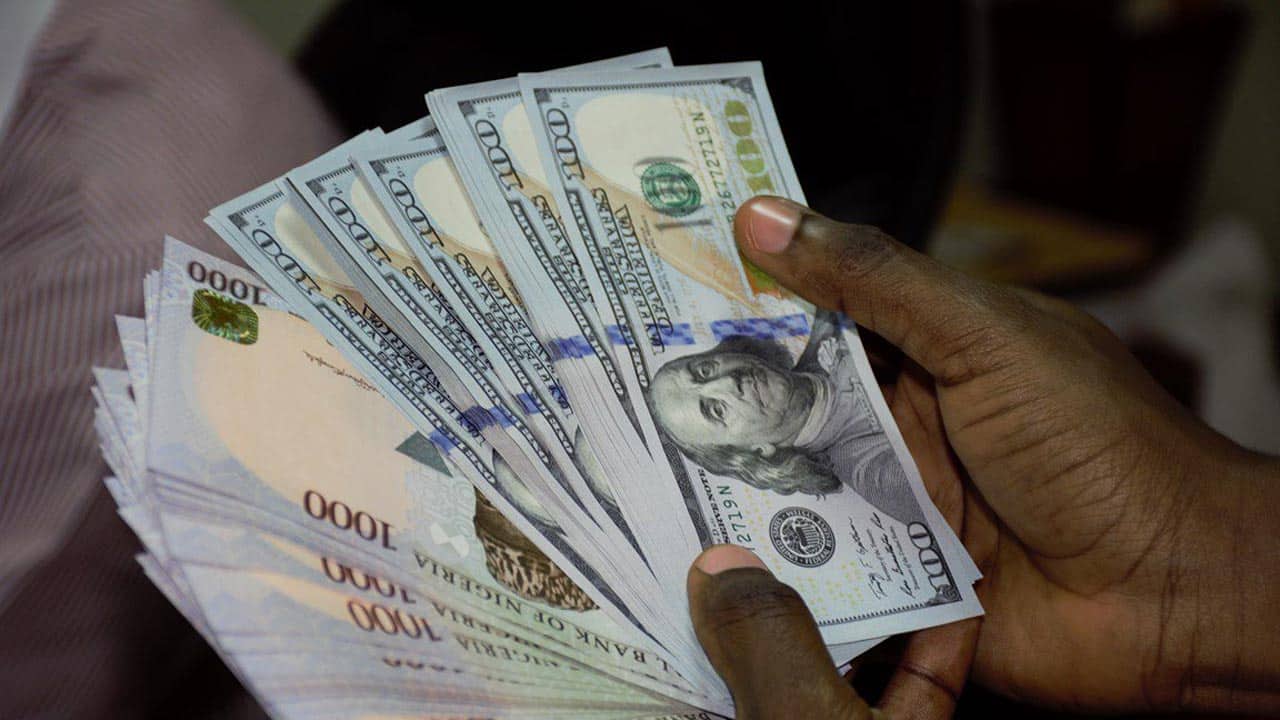
NAFEM Records Sharp Drop In Dollar Sales Amid Naira Depreciation

NAFEM Records Sharp Drop In Dollar Sales Amid Naira Depreciation
The Nigeria Autonomous Foreign Exchange Market (NAFEM) witnessed a notable decline in dollar sales on Friday, plummeting by $252 million to $84.1 million, marking a significant 74 percent decrease from Thursday’s transactions, which stood at $336.11 million…..READ ALSO Black Market Dollar To Naira Rate Today – 19th February 2024
This stark reduction coincided with a weakening of the naira, which slipped to N1,537/$ in the official market from N1,498/$ the preceding day, as per data from the FMDQ Security Exchange.
The downturn in forex turnover mirrors broader challenges in the market, despite contributions from various sectors including commercial banks, the Central Bank of Nigeria (CBN), oil firms, and multinationals.
Simultaneously, the parallel market witnessed the naira’s depreciation to N1,670/$ from N1,600/$, driven by robust demand for the US dollar among speculators and individuals with diverse needs such as business, tourism, education, and healthcare.
A scrutiny of the week’s forex supply dynamics revealed fluctuations, with a notable surge on Tuesday followed by a steep decline, indicating the inherent volatility in the forex market.
Market analysts attribute the naira’s depreciation to the heightened demand for dollars, suggesting that this trend may endure.
In response to the forex market challenges, the CBN has implemented several policy measures aimed at stabilizing the currency and ensuring adequate forex supply.
These measures include instructing Deposit Money Banks to offload their excess dollar stock and introducing prudential guidelines to curb hoarding and speculative activities.
Recent CBN directives have further tightened controls, focusing on Personal Travel Allowance, repatriation of revenues by International Oil Companies, and measures against under-invoicing of exports and over-invoicing of imports.
Despite these interventions, the gap between the official and parallel market rates continues to widen, raising concerns about potential round-tripping activities.
Banks and International Money Transfer Operators (IMTOs) have commenced the implementation of these new guidelines, issuing notices to customers and making operational adjustments.
However, the efficacy of these interventions remains uncertain as the forex market grapples with significant pressure, underscoring the intricate challenges in managing Nigeria’s foreign exchange resources and preserving currency stability.

-

 Latest News1 day ago
BREAKING: Tinubu Appoints New NIPC, NEPZA Board Chairpersons
-

 Politics3 days ago
Seyi Makinde Makes Big 2027 Move, Names Running Mate
-

 Latest News6 days ago
Zulum Speaks On Gubio’s Running Mate Choice
-

 Latest News7 days ago
New Appointment Announced For Former VP Osinbajo
-

 Latest News2 weeks ago
Uzodimma, Fintiri, Abdurazaq, Other Governors Appear On APC NASS List
-

 Latest News1 week ago
Tinubu Unveils Fresh Appointments For Gbajabiamila, AGF, Others
-

 Politics1 week ago
Key Details Emerge From Meeting Of 18 APC First-Term Governors
-

 Latest News5 days ago
BREAKING: 8 Kidnappers Arrested, Others Eliminated As Oyo Pupils, Teachers Rescued
-

 Politics1 week ago
2027: APC Set To Upload Tinubu, Running Mate This Week
-

 Politics5 days ago
BREAKING: APC Unveils Tinubu’s 2027 Running Mate
-

 Latest News7 days ago
Female Journalist Reportedly Taken Into DSS Custody
-

 Entertainment2 days ago
We Tried” — Diamond Platnumz’s Wife Announces End Of Marriage