
Connect with us

Econonmy

Why Nigeria Must Slash Telecom Taxes: GSMA’s Urgent Call for Reform

Published

on

Opera Snapshot 2024 09 05 030908 res.6chcdn.feednews.com

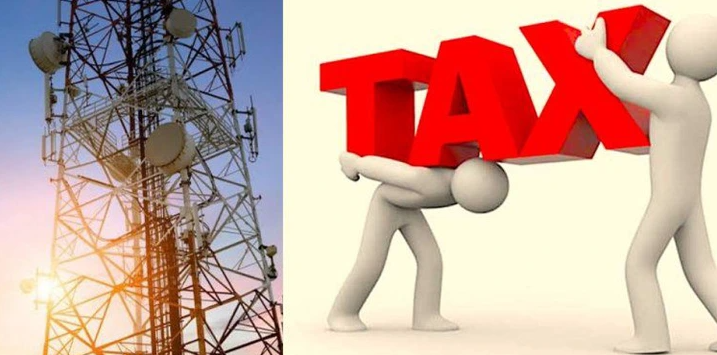
Global System for Mobile Communications Association (GSMA) is calling for an immediate reduction in telecom taxes in Nigeria, citing several critical reasons why this move is essential for the country’s economic and digital future.

Boosting Investment and Digital Economy

The GSMA argues that Nigeria’s high and complex tax regime is stifling investment in the telecom sector, which is vital for expanding digital infrastructure and services. Angela Wamola, the GSMA’s head of Sub-Saharan Africa, highlighted that the current tax environment is a significant barrier to the growth of the telecom industry.

Rising Operational Costs and Currency Challenges

Advertisement

Wamola pointed out that increasing energy prices and difficulties in accessing foreign currency are exacerbating the strain on telecom operators. These factors are crucial since foreign currency is needed for importing equipment essential for network expansion and maintenance.

Economic Impact of Telecom Sector

Despite the sector’s potential, Nigeria’s telecom industry has seen a slowdown in growth and its contribution to GDP. In 2023, telecom companies paid approximately N2.4 trillion in taxes while generating around N33 trillion, which accounts for 13.5% of Nigeria’s GDP. This substantial tax contribution underscores the sector’s importance to the national economy.

Issues with Right-of-Way Charges

Advertisement

The GSMA also criticized the inconsistency in Right-of-Way (RoW) charges. Although there was an agreement in 2020 to set RoW charges at 145 naira per meter, many states have not adhered to this rate. This discrepancy has led to increased costs for fiber optic installation, ranging from 1% to 70% of the additional costs, depending on the state.

Recommendations for Reform

To address these challenges, Wamola recommends that the Nigerian government streamline the tax system, harmonize RoW charges, and reduce multiple levies. Implementing these changes could lower the cost of deploying fiber infrastructure by 15%, making it more feasible for operators to invest in network expansion.

Reforming telecom taxes would not only ease the financial burden on operators but also stimulate economic growth, improve connectivity, and enhance access to digital services for millions of Nigerians. The GSMA’s call for tax reform highlights a crucial step towards unlocking the full potential of Nigeria’s digital economy.

Advertisement

By adopting these recommendations, Nigeria can create a more favorable environment for investment, drive technological advancement, and ultimately benefit the country’s overall economic development.

Continue Reading
Advertisement
Click to comment
Subscribe
Notify of
guest
0 Comments
Oldest
Newest Most Voted

Trending

0
Would love your thoughts, please comment.x
()
x