


Latest News
Alarming Surge: Lassa Fever Cases Skyrocket In Ondo And Edo—What You Need To Know


Alarming Surge: Lassa Fever Cases Skyrocket In Ondo And Edo—What You Need To KnowThe Nigeria Centre for Disease Control and Prevention (NCDC) has reported a rise in Lassa fever cases during week 39 of 2024, with Ondo and Edo states each recording nine new infections. According to the latest Lassa Fever Situation report, this marks an increase from four cases noted in the previous week, adding to a troubling total of infections and fatalities for the year.


-
 Latest News1 week ago
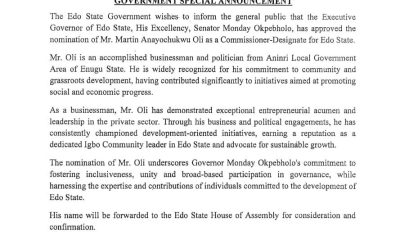
Breaking Political Barriers: Okpebholo Names Enugu-born Igbo Leader to Edo Cabinet
-

 Politics2 weeks ago
Tinubu Makes New Ambassadorial Appointments, Seeks Senate Confirmation
-

 Latest News6 days ago
APC Submits National Assembly Candidates’ Names To INEC Portal
-

 Latest News2 weeks ago
Ojirami Shines at Night: Akoko-Edo Residents Hail Engr. Abubakar Momoh Over NDDC Solar Street Light Project
-

 Sports1 week ago
Full List: Every Team Eliminated From The 2026 World Cup So Far
-

 Latest News7 days ago
APC Dismisses Viral List Of Primary Election Winners
-

 Latest News5 days ago
Uzodimma, Fintiri, Abdurazaq, Other Governors Appear On APC NASS List
-

 Latest News1 week ago
Shake-Up In Nigerian Army As COAS Redeploys Top Officers — Full List Emerges
-

 Politics1 week ago
Rochas: “I Feel Sorry For Those Peter Obi Misled Into Wasting Money On NDC
-

 Latest News6 days ago
N1.5 BILLION FARM BOOST: Senator Saliu Mustapha Launches Massive Agricultural Intervention, Distributes Fertilisers, Power Tillers, Water Pumps to Thousands of Kwara Farmers
-

 Latest News2 weeks ago
Ozekhome Suspended From SAN Status By LPPC
-

 Latest News5 days ago
After Billions Spent, Bridge Still Abandoned: Citizens Issue Open Letter to Tinubu, Works Minister, Osun Governor, National Assembly Over ÒRÉ Bridge