

crime
Lekki Is The New Hub For Fraud- Economic Financial Economic And Crimes Commission

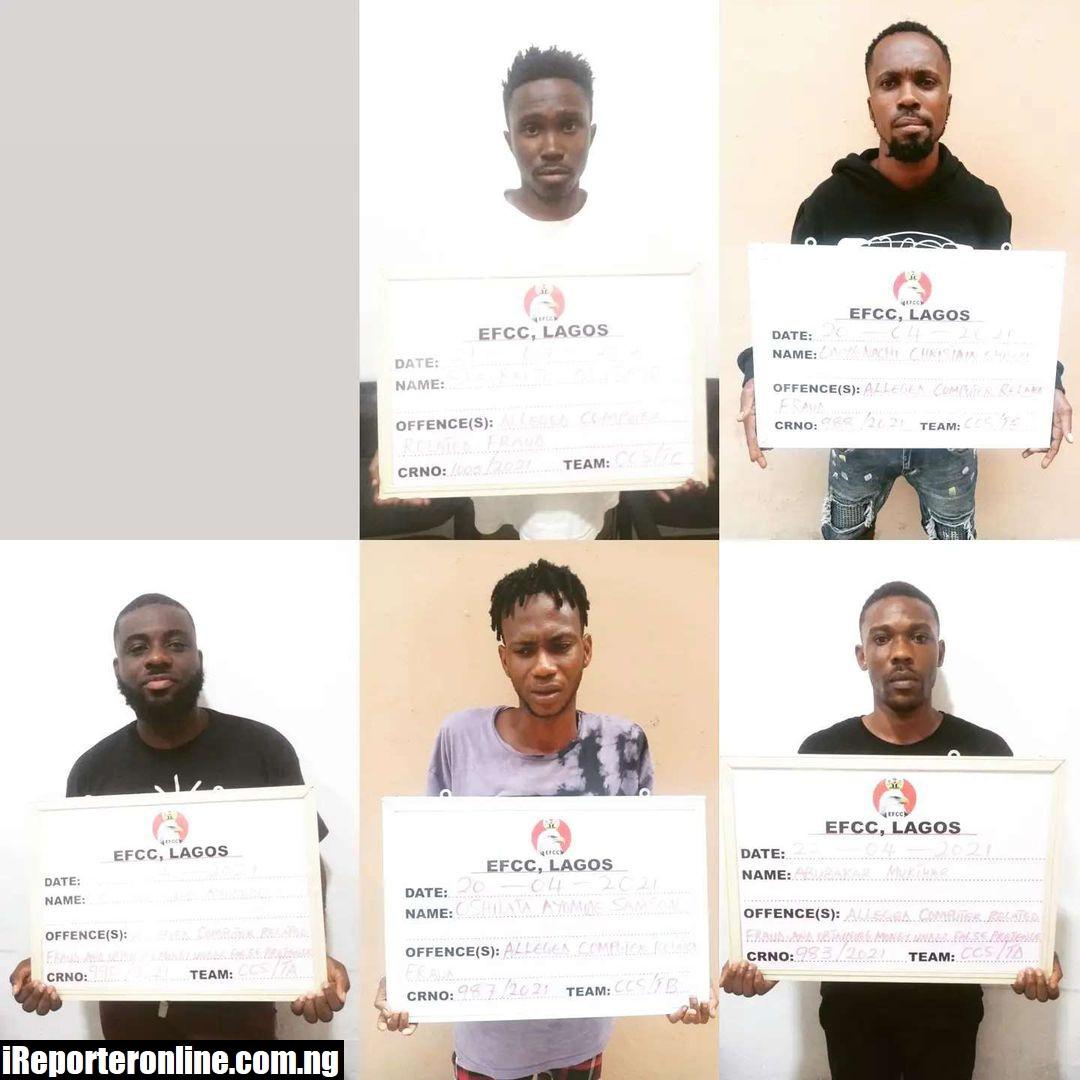
The Economic and Financial Crimes Commission EFCC has said that Lekki, the fast-developing upper middle-class area of Lagos Metropolis, is emerging as the new hub of internet-related fraud.
A statement released by the agency says data from the investigation activities of the Lagos Command of the Economic and Financial Crimes Commission, EFCC, for the second quarter of 2021, indicates that Lekki District is the preferred location for all manner of cyber fraud syndicates.
Between April and June, 2021, the Advance Fee Fraud and Cyber Crime Sections of the Command recorded a total of 402 internet-related fraud arrests. While the Advance Fee Fraud Section was responsible for 243 arrests, the Cyber Crime Section executed 18 sting operations which resulted in 159 arrests, from which 13 convictions have so far been recorded.
Of the 159 suspects arrested by the Cyber Crime Section, 70 are from Lekki, comprising communities such as Ajah, Badore, Victoria Garden City, Sangotedo and Oniru.
Ajah accounted for 24 suspects, while Oniru and Sangotedo had 14 and 13 suspects respectively. Badore had 8 suspects. Neighbouring Ikoyi and Eko Atlantic had 2 and one suspect each. Ikorodu and Alagbado on the Lagos Mainland make up the remainder.

According to the agency, the suspects are mostly millennials, with 82 of them aged between 25-34 years, which ”speaks to the fact that most of the individuals arrested are either still in school, recent graduates or university dropouts”.
”Analysis of the data from the Cyber Crime Section further shows that the dominant form of internet crime is Dating Scam/Online Dating Scam/Romance Scam. Sixty Four percent (64%) of individuals arrested are involved in romance scam, followed closely by “Middle Man Scam” and “Picking” which account for 8% and 7% respectively of those arrested.
The 64% involved in the dating scam benefitted to the tune of N8, 310,000; $349,290 USD; £ 900; €10 and Cryptocurrency 0.17513.
Other typologies of fraud identified include forgery, possession of fraudulent documents, spamming, credit card fraud, impersonation, rental scam, loan fraud, Business Email Compromise, Hacking, stealing, cheque scam, phishing, and money laundering.
The data also reveals gift cards, at 39%, as the prevalent method employed by the suspects to access their illicit funds. It is followed by bank transfers at 27% and Cryptocurrency at 21%”the statement further read


-

 Latest News3 days ago
New Crisis In NDC As Kano Chairman Blocks Kwankwaso’s Takeover Move
-

 Latest News1 week ago
APC Elders Back Tinubu, Namadi, Acquire ₦150 Million Nomination Forms
-

 Latest News7 days ago
Tinubu Appoints Former Power Minister As Special Adviser
-

 Latest News6 days ago
Sh*ck Arrest: Nuhu Ribadu Reportedly Detains NFSS Boss, 6 Others
-

 Latest News1 week ago
Thousands Of Borno Youths Raise ₦38.5 Million In Massive Show Of Support For Ali Ndume
-

 Latest News1 week ago
Senate President Akpabio Declares Jimoh Ibrahim’s Seat Vacant
-

 Latest News2 days ago
You Will End Up On Your Knees When We Retaliate” – Oshiomhole Slams South African President
-

 Latest News6 days ago
Desmond Elliott Begs Gbajabiamila: “I’m Sorry If I’ve Wronged You
-

 Latest News1 week ago
Okpebholo Knocks Out Critics As He Tours Ikpoba Hill Flyover With Seun Okinbaloye
-

 Latest News2 weeks ago
Tinubu Meets Tajudeen Abbas, Reps Members At Aso Rock
-

 Latest News2 weeks ago
Okpebholo Breaks the Glass Ceiling: Edo Produces Nigeria’s Best SSG and Attorney General — At the Same Time
-

 Latest News3 days ago
Kano Political Shake-Up As Two Lawmakers Defect From ADC