


Latest News
Unveiling Nigeria’s Political Turbulence: A Chronicle Of Military Coups


Unveiling Nigeria’s Political Turbulence: A Chronicle Of Military Coups
Over the decades, Nigeria’s political narrative has been punctuated by the thunderous echoes of military coups, each leaving an indelible mark on the nation’s governance and trajectory. From the dawn of independence to the dawn of democracy, the military’s grip on power has shaped the country’s destiny, driven by a complex interplay of factors ranging from corruption to ethnic tensions. Delve into the riveting saga of Nigeria’s turbulent past:
1966: The Dawn of Discontent
In a seismic upheaval, Nigeria witnessed its maiden coup on January 15, 1966, orchestrated by junior officers led by Major Chukwuma Kaduna Nzeogwu. Intended to purge the nation of corruption and ethnic strife, the coup instead claimed the lives of political luminaries, including Prime Minister Sir Abubakar Tafawa Balewa, thrusting Major General Johnson Aguiyi-Ironsi into power amid escalating ethnic tensions.
July 1966: The Tempest Unleashed
A tempest of ethnic discontent engulfed Nigeria on July 29, 1966, as Northern officers staged a retaliatory coup, toppling Ironsi’s regime and propelling Lieutenant Colonel Yakubu Gowon to the helm. The aftermath bore witness to heightened military involvement in politics, foreshadowing turbulent times ahead.
1975: The Winds of Change
General Yakubu Gowon’s tenure was abruptly curtailed on July 29, 1975, by a bloodless coup led by Brigadier Murtala Mohammed, catalyzed by accusations of stagnation and economic malaise. Mohammed’s reforms breathed new life into Nigeria’s governance landscape but were tragically cut short by his assassination in a failed coup the following year.
1983: The Tumultuous Turn
As Nigeria grappled with economic woes and political strife, Major General Muhammadu Buhari seized power on December 31, 1983, citing rampant corruption and electoral malpractice. Buhari’s ascendancy heralded a period of stringent reforms and military oversight, setting the stage for subsequent upheavals.
1985: The Dawn of a New Era
General Ibrahim Babangida’s palace coup on August 27, 1985, promised to usher in an era of political liberalization and economic rejuvenation. Yet, amidst strides towards reform, allegations of human rights abuses and graft tarnished Babangida’s legacy, casting a shadow over his regime.
1993: The Turmoil Deepens
The annulment of the June 12, 1993, presidential elections plunged Nigeria into turmoil, culminating in General Sani Abacha’s iron-fisted rule on November 17, 1993. Abacha’s reign of repression and corruption plunged the nation into darkness, until his demise in 1998.
1998: Dawn of Democracy
With Abacha’s demise, General Abdulsalami Abubakar steered Nigeria towards the shores of democracy, paving the way for civilian rule under Olusegun Obasanjo’s stewardship on May 29, 1999. Thus, the curtain fell on decades of military dominance, heralding a new dawn of hope and promise for Nigeria.
In the annals of Nigeria’s history, the echoes of military coups reverberate as poignant reminders of the nation’s tumultuous journey towards democracy and governance.

-
 Latest News1 week ago
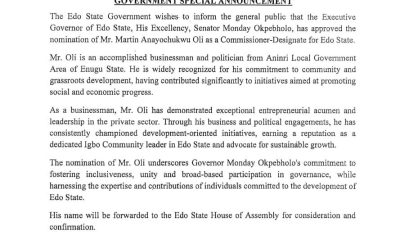
Breaking Political Barriers: Okpebholo Names Enugu-born Igbo Leader to Edo Cabinet
-
 Latest News2 weeks ago
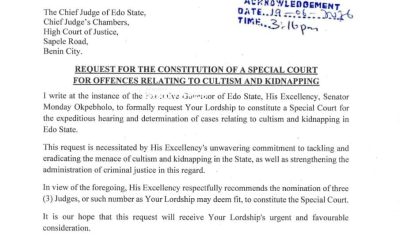
Breaking: Okpebholo Backs Words With Action As Edo Moves To Establish Special Court For Cultism And Kidnapping Cases, Writes Chief Judge
-
 Politics1 week ago
Tinubu Makes New Ambassadorial Appointments, Seeks Senate Confirmation
-

 Latest News3 days ago
APC Submits National Assembly Candidates’ Names To INEC Portal
-

 Latest News1 week ago
Ojirami Shines at Night: Akoko-Edo Residents Hail Engr. Abubakar Momoh Over NDDC Solar Street Light Project
-

 Latest News2 weeks ago
Bandits’ Captivity Death: Widow Rejects Illness Claims, Reveals What K!lled General Rabe
-

 Sports6 days ago
Full List: Every Team Eliminated From The 2026 World Cup So Far
-

 Latest News4 days ago
APC Dismisses Viral List Of Primary Election Winners
-
 Latest News2 days ago
Uzodimma, Fintiri, Abdurazaq, Other Governors Appear On APC NASS List
-
 Politics2 weeks ago
VIDEO: Shettima, Atiku, Masari, Governors Storm Special Prayer For Tinubu’s Late Mother
-
 Latest News6 days ago
Shake-Up In Nigerian Army As COAS Redeploys Top Officers — Full List Emerges
-

 Politics6 days ago
Rochas: “I Feel Sorry For Those Peter Obi Misled Into Wasting Money On NDC