


Latest News
Why Luna-25 Spacecraft Crashed Into The Moon – Head Of Russian Space Agency

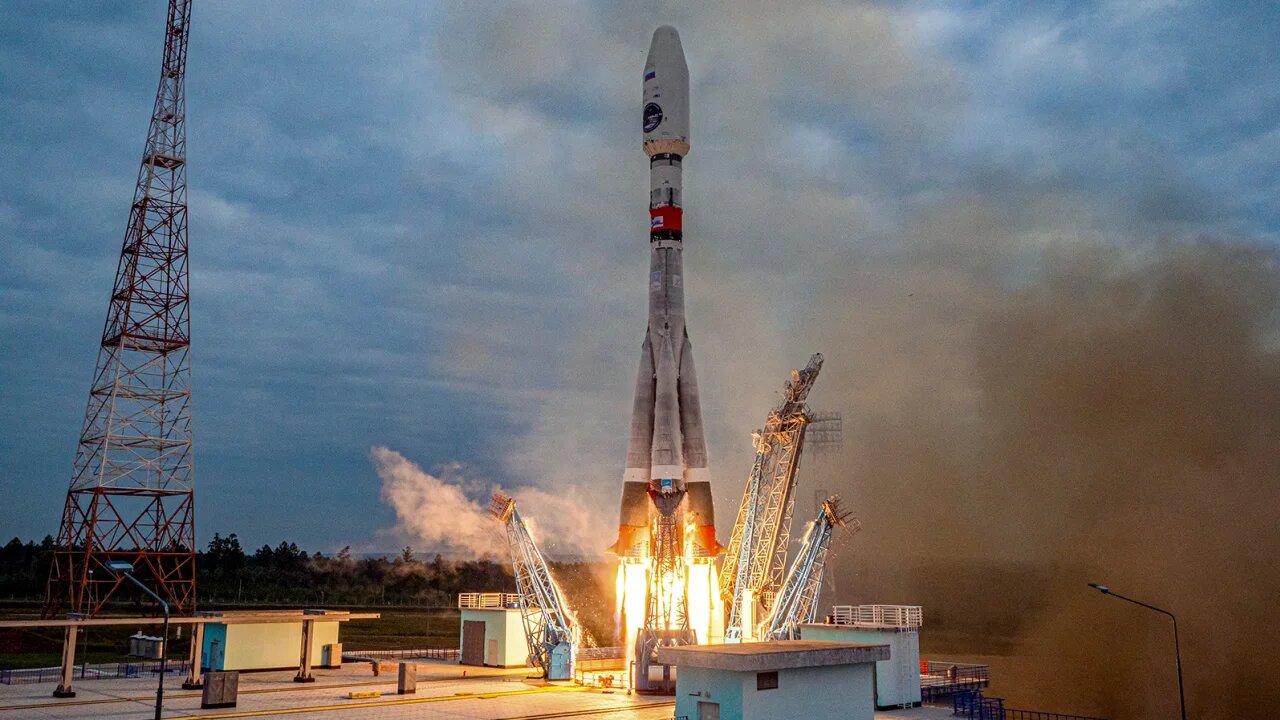
Why Luna-25 Spacecraft Crashed Into The Moon – Head Of Russian Space Agency
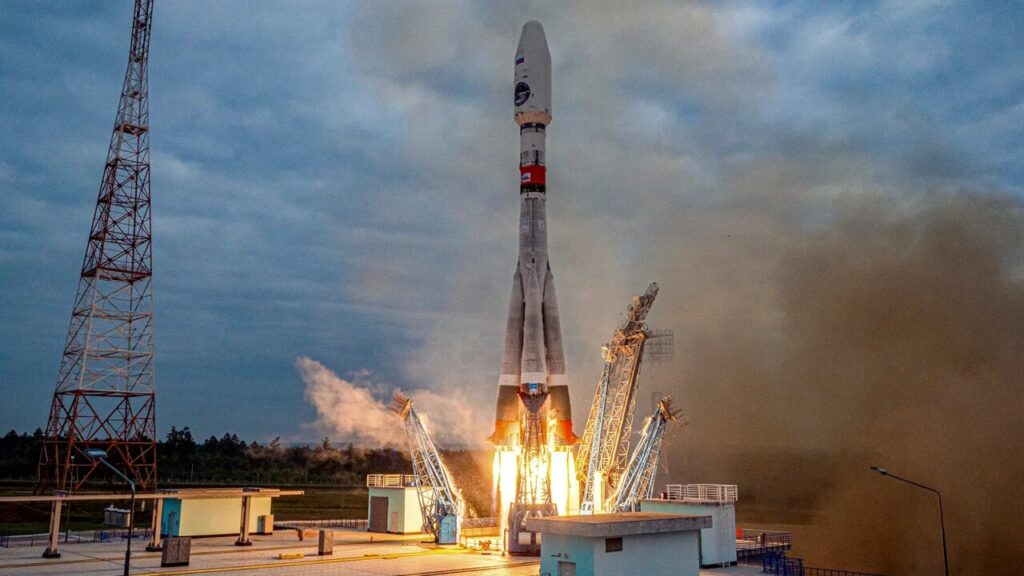
Yury Borisov, the head of the Russian space agency Roscosmos, informed state media on Monday that the failure of Luna 25, Russia’s first moon mission in decades, can be attributed to a malfunction in its engines.
In an interview broadcasted on the state station Russia-24 and shared by Roscosmos, Borisov explained that during an attempt to correct the spacecraft’s course and guide it to a pre-landing orbit, the engines did not shut down as intended. Instead, they stopped temporarily but not according to the planned sequence, causing the engines to operate for 127 seconds instead of the intended 84 seconds. This prolonged engine burn was the primary reason for the spacecraft’s crash.
Borisov emphasized that this specific engine burn had been successfully tested on ground simulators prior to the mission. He also noted that contact with the spacecraft was lost after it crash-landed, despite the stable radio communication throughout the mission.
The Luna 25 spacecraft was on its way to the moon’s south pole region for a landing, which was originally expected to take place on Monday. However, contact was lost over the weekend, leading Roscosmos to conclude that the spacecraft had indeed crash-landed.
Roscosmos plans to conduct a thorough investigation into the causes behind the loss of Luna 25, and Borisov pointed out that the nearly 50-year gap in Russia’s lunar program contributed to the challenges faced in reacquiring and mastering the necessary technologies.
This mission was significant for Russia’s civil space program, as it marked the country’s return to lunar exploration after the Soviet era. The moon’s south pole holds immense interest due to its relatively unexplored nature and potential water ice reserves, which could serve as a crucial resource for future deep-space missions.
In light of this failure, Russia is now accelerating plans for subsequent Luna missions, such as Luna 26 and Luna 27. India’s lunar lander Chandrayaan-3 is also in the race to explore this challenging area, with its landing attempt scheduled for Wednesday. The moon’s south pole region poses difficulties for exploration due to complex orbital mechanics.

-

 Latest News7 days ago
Tinubu Summons 76 Osun APC Leaders Over Ribadu’s Explosive Intelligence Report
-

 Latest News1 week ago
Tinubu Picks Gbajabiamila, Soludo, Zulum, Others For Canada Investment Mission
-

 Latest News2 weeks ago
Presidency Fires Back At Catholic Bishops
-

 Latest News1 week ago
Tinubu Approves Fresh Civil Service Recruitment Exercise
-

 Latest News1 week ago
Tinubu Launches ₦216bn Osun–Oyo Road Projects
-

 Latest News2 weeks ago
Tinubu Govt Rolls Out Fresh Rules For Ministers, Top Officials
-

 Latest News2 weeks ago
Fuel Price Drops As MRS, Others Slash Petrol Pump Price
-

 Latest News6 days ago
Army Orders Abuja Residents To Vacate Homes Over Security Threat
-

 Latest News4 days ago
Okpebholo Sacks SUBEB Chairman, Names Immediate Replacement
-

 Latest News2 weeks ago
Breaking: Jonathan Holds Closed-Door Meeting With Tinubu At Aso Rock
-

 Latest News3 days ago
Tinubu Approves New Ports Regulator For Nigeria
-

 Latest News2 weeks ago
EFCC Moves To Take Over Abubakar Malami-Linked Properties