
Latest News
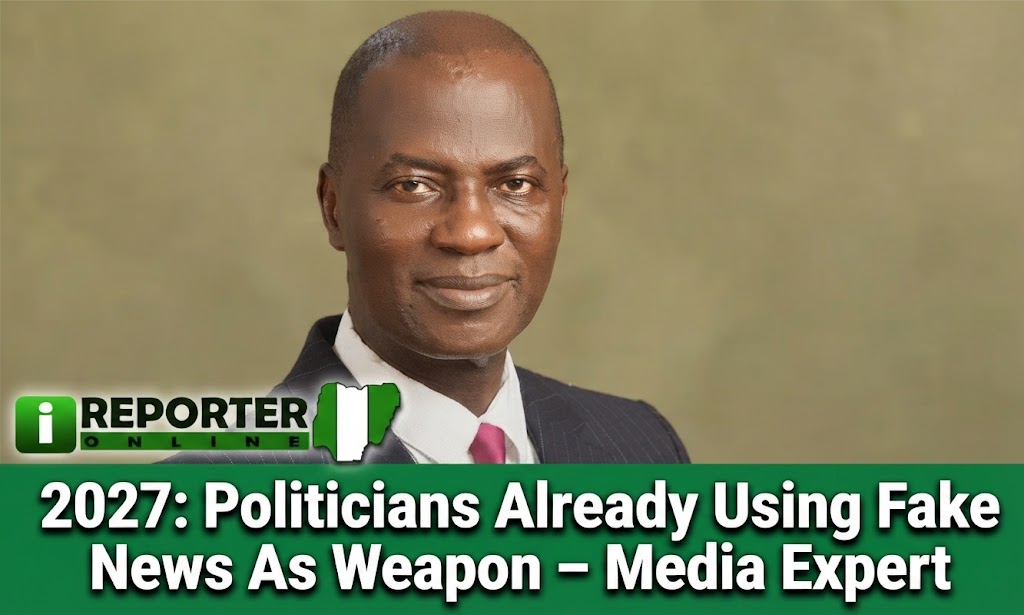
2027: Politicians Already Using Fake News As Weapon – Media Expert

As Nigeria approaches the 2027 general election, the battle for political influence is increasingly moving beyond rallies, television broadcasts and campaign posters, with social media, WhatsApp groups and anonymous online platforms emerging as major channels for political messaging.
Veteran journalist and media trainer, Lekan Otufodunrin, has warned that misinformation, disinformation and manipulated content could significantly influence voters ahead of the election, particularly as advances in artificial intelligence make fake videos, audio recordings and images increasingly difficult to identify.
According to Ireporter Online, Otufodunrin, who is the Executive Director of the Media Career Development Network, said fake news could influence the choices of some Nigerians, especially those who struggle to distinguish credible information from fabricated claims.
He noted that political loyalty and emotions often make people more likely to believe negative reports about opponents, regardless of whether such claims have been verified.
Otufodunrin further alleged that some political actors and their supporters were already using misinformation as a tool ahead of the 2027 election. He pointed to the growing number of political media aides and online supporters who use various platforms to attack opponents, circulate unverified allegations and promote favourable narratives.
He also expressed concern about anonymous accounts and platforms allegedly created to spread false information while concealing the identities of those behind them.
The media expert warned that artificial intelligence could worsen the situation by enabling the production of highly realistic fake videos, audio recordings and photographs capable of misleading voters.
He cited false claims circulated during the Osun governorship election, including reports that some candidates had withdrawn from the race despite remaining in the contest, as examples of how misinformation could create confusion during elections.
According to him, voters can no longer automatically assume that what they see or hear online is authentic, stressing the need for greater caution and verification.
Otufodunrin identified political emotions, loyalty and poor media literacy as some of the major factors encouraging the spread and acceptance of false information. He also blamed the widespread culture of forwarding unverified messages on WhatsApp for contributing to the problem.
While acknowledging that Nigerian media organisations and independent fact-checking groups are making efforts to combat misinformation, he said more journalists and media platforms must improve their verification skills.
He urged journalists to prioritise accuracy alongside speed and follow the principle of withholding information when its authenticity cannot be established.
Otufodunrin also questioned the credibility of some bloggers and influencers who regularly publish political content without adhering to professional journalistic standards. He argued that some online platforms are primarily driven by political interests or financial gains rather than the responsibility to provide accurate information.
He warned that one of the most dangerous forms of election misinformation would be the circulation of fabricated results before the Independent National Electoral Commission (INEC) makes official declarations.
According to him, fake election results could trigger protests, violence and distrust in genuine results, particularly if supporters of defeated candidates believe fabricated figures circulated online.
Otufodunrin stressed that combating election misinformation requires cooperation among INEC, journalists, technology companies, civil society organisations and the electorate.
He urged social media platforms to take stronger action against accounts that repeatedly spread false information while calling on INEC to provide journalists with adequate information and training ahead of the election.
He further advised voters to verify political claims before sharing them, warning that widespread misinformation could undermine public confidence in the 2027 election.

-
 Latest News3 days ago
Tinubu Govt Declares Nationwide Public Holiday For Nigerians
-

 Latest News2 weeks ago
Army Orders Abuja Residents To Vacate Homes Over Security Threat
-
 Latest News2 weeks ago
Okpebholo Sacks SUBEB Chairman, Names Immediate Replacement
-

 Latest News2 weeks ago
Tinubu Approves New Ports Regulator For Nigeria
-

 Latest News6 days ago
Tinubu Meets Akpabio, Doguwa, Oyetola, Alake At Aso Rock
-

 Latest News1 week ago
INEC Makes Fresh Announcement After Declaring Adeleke Winner Of Osun Election
-
 Latest News2 days ago
APC Chairman Collapses, D!es
-
 Entertainment24 hours ago
₦800,000, ₦5m, $11,000: Ogogo’s Daughter Accuses Nigerians Of Exploiting Father’s Cancer
-
 Latest News2 weeks ago
Edo Gov Reshuffles Cabinet, Creates New Ministry — Full List
-

 Gist1 week ago
Your Uncle Adeleke Is The Real Arindin’ – Sowore Fires Back At Davido
-

 Entertainment6 days ago
Ogogo’s Family Breaks Silence, Debunks Viral D**th Rumour
-

 Latest News1 week ago
Osun Election: INEC Gives Fresh Update As Voting Continues