
Latest News
Badenoch Sparks Outrage, Blasts UK On UN Slavery Resolution


According to reports, the leader of the UK Conservative Party, Kemi Badenoch, has publicly questioned the United Kingdom’s decision to abstain from voting on a landmark United Nations General Assembly resolution that recognizes slavery and the transatlantic slave trade as among the greatest injustices in human history.
The resolution, adopted on Wednesday, received 123 votes in favor, three against, and 52 abstentions. While the United States, Israel, and Argentina opposed the measure, the UK joined 51 other nations in abstaining. Experts note that abstention, while often interpreted as a neutral stance, can also reflect a deliberate political strategy.
Ghanaian President John Mahama, who spearheaded the resolution, stated that the move was necessary to address the enduring impact of slavery. He emphasized that racial inequalities and structural disparities rooted in the transatlantic slave trade continue to affect societies worldwide. Historians estimate that between 10 and 15 million Africans were forcibly transported across the Atlantic between 1500 and 1900, with British ships reportedly transporting at least three million people. West African countries, including Senegal, Benin, Ghana, and Nigeria, were among the most affected.
The UN resolution calls on member states to consider issuing formal apologies for their historical roles in the slave trade and to participate in a future reparations framework.
Responding to the vote on (formerly Twitter) on Thursday, Badenoch criticized the UK government for abstaining rather than opposing the resolution. She wrote: “Russia, China, and Iran vote with others to demand trillions in reparations from UK taxpayers…and the Labour government abstain! Britain led the fight to end slavery. Why didn’t Starmer’s representative vote against this? Ignorance…or cowardice? We shouldn’t be paying for a crime we helped eradicate and still fight today.”
Badenoch’s remarks follow prior controversies over her views on slavery and reparations. In 2024, she faced backlash after disputing claims that Britain’s industrial and commercial wealth was significantly built on slavery and colonialism. She has also previously described reparations demands as a “scam,” highlighting that some nations seeking compensation were themselves involved in the transatlantic slave trade.
The debate reflects ongoing global divisions over how best to address the legacy of slavery, with questions of accountability and reparations continuing to provoke strong political reactions.

-
 Latest News3 days ago
Tinubu Govt Declares Nationwide Public Holiday For Nigerians
-
 Latest News2 weeks ago
Okpebholo Sacks SUBEB Chairman, Names Immediate Replacement
-
 Latest News2 weeks ago
Tinubu Approves New Ports Regulator For Nigeria
-

 Latest News6 days ago
Tinubu Meets Akpabio, Doguwa, Oyetola, Alake At Aso Rock
-

 Latest News1 week ago
INEC Makes Fresh Announcement After Declaring Adeleke Winner Of Osun Election
-
 Latest News2 days ago
APC Chairman Collapses, D!es
-
 Entertainment1 day ago
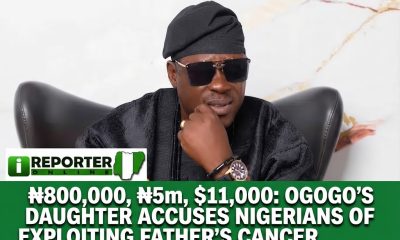
₦800,000, ₦5m, $11,000: Ogogo’s Daughter Accuses Nigerians Of Exploiting Father’s Cancer
-
 Latest News2 weeks ago
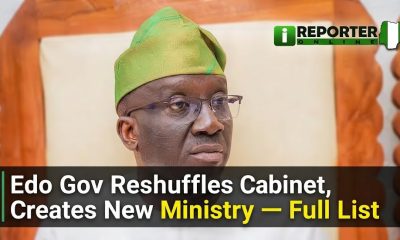
Edo Gov Reshuffles Cabinet, Creates New Ministry — Full List
-

 Gist1 week ago
Your Uncle Adeleke Is The Real Arindin’ – Sowore Fires Back At Davido
-

 Entertainment6 days ago
Ogogo’s Family Breaks Silence, Debunks Viral D**th Rumour
-

 Latest News1 week ago
Osun Election: INEC Gives Fresh Update As Voting Continues
-
 Latest News8 hours ago
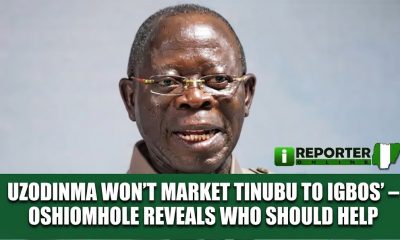
Uzodinma Won’t Market Tinubu To Igbos’ – Oshiomhole Reveals Who Should Help