


Latest News
Ikorodu Residents Urge Lagos Govt to Restrict Oro Festival to Night Hours

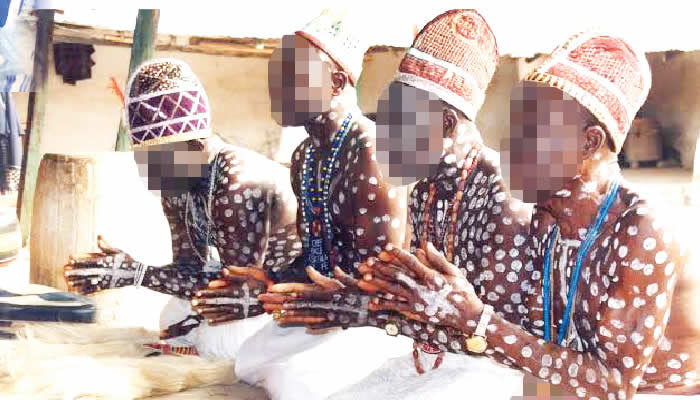
Residents of Ikorodu, a Lagos suburb, have called on the state government to limit the Oro festival to nighttime hours, citing disruptions to daily activities, economic hardship, and infringements on constitutional rights—particularly those affecting women.
Speaking to the News Agency of Nigeria (NAN) on Thursday, community members expressed frustration over the repeated imposition of daytime curfews associated with the traditional Yoruba ritual. The Liwe Oro festival, currently ongoing in Ikorodu, is strictly observed by male natives. During the ceremony, non-natives and women are barred from being outdoors, with severe traditional consequences cited for violations.
Mrs. Bukunmi Taiwo, a long-time resident, emphasized the need for modern dialogue around traditional practices. “We must find a balance between culture and community welfare. Families dependent on daily income suffer the most when these restrictions disrupt their livelihoods,” she said, urging Oro devotees to confine their activities to midnight hours.
Traders like Obinna Nweze from Ladega Market echoed her concerns. “Shutting down markets repeatedly is killing our businesses. This year alone, we’ve closed shop multiple times for various local events, including two Oro festivals,” he lamented, adding that traders often face harassment and theft when trying to operate during restricted periods.
Legal expert Mustafa Mohammed stressed that cultural practices must not override citizens’ rights. “The Nigerian Constitution guarantees freedom of movement. Cultural observances that infringe upon this—especially against women—must be addressed by the government,” he stated.
Gender advocate Cecilia Oluwadarasinmi noted that over 85% of Nigerian women are engaged in informal economic activities. “Excluding women from public space due to traditional beliefs worsens economic inequality. Just last month, the Magbo Oro festival on Children’s Day deprived many young girls of celebration,” she said.
While Oro adherents defend the festival as a spiritual cleansing ritual for the community, critics insist on reform. Oluwadarasinmi argued that inclusive cultural evolution is essential for economic growth, gender equity, and community harmony.
NAN reports that the Oro festival is held twice a year in Ikorodu, typically in May and June, with nearby towns observing theirs in different months.
Despite its deep cultural roots, the call for adjustment grows louder as residents seek a compromise that honours tradition without compromising rights or livelihoods.

-

 Latest News2 weeks ago
No Excuse For This “Shameful Act” — APC Fires Back At Makinde Over Controversial Oba Coronation
-

 Latest News2 weeks ago
Sh*ck Move: Cameroon’s President Biya Names His Son Vice President
-

 Latest News1 week ago
Presidency Fires Back At ADC: ‘We Won’t Close Shop Because You’re Struggling
-
 Latest News3 days ago
Iyabo Obasanjo Responds As Senator Yayi Emerges Ogun APC Consensus Candidate
-

 Latest News5 days ago
It’s Obvious I Don’t Own What You Have” – Lamido Blasts Malami Over ‘Thief’ Claims
-

 Latest News1 week ago
APC Blocks Bala Mohammed’s Defection — Here’s Why
-

 Latest News1 week ago
A Birthday Fit For A Legend : Watch Abubakar Momoh Make A Grand Entrance At Adams Oshiomhole’s Residence
-

 Latest News1 week ago
Keyamo Slams Peter Obi, Kwankwaso: ‘They Think They Can Blackmail Everyone
-
 Latest News2 weeks ago
Sh*ck Exit: Akinwumi Steps Down As ADC Secretary
-

 Latest News1 week ago
Former VP Osinbajo Lands Powerful Global Appointment
-

 Latest News5 days ago
Tony Akiotu Has Been Appointed As The New Chairman Of The Broadcasting Organisations Of Nigeria
-
 Latest News1 day ago
Why We’re Tolerating Wike – APC Chair Yilwatda Speaks Out