Listen To Your Body 5 Signs That May Indicate Kidney Health Concerns
Your kidneys play a vital role in maintaining overall health by filtering waste products and excess fluids from your blood, regulating blood pressure, and producing hormones that help control red blood cell production and calcium metabolism….READ ALSODespite Donating His Kidney And Sending Me to School, I Can’t Marry Him Due to His Lack of Education and Ambition- Lady Cries Out
However, kidney problems can often go unnoticed until they reach an advanced stage. Paying attention to certain signs and symptoms can help detect potential kidney issues early and prevent complications. Here are five signs that may indicate kidney health concerns:
- Changes in Urination: Pay attention to any changes in your urination pattern, as they can be early indicators of kidney problems. These changes may include:
- Increased frequency of urination, especially at night.
- Difficulty urinating or a sensation of incomplete emptying of the bladder.
- Foamy or bubbly urine, which may indicate the presence of protein.
- Blood in the urine (hematuria), which can range from pink or red to dark brown.
Any persistent changes in urination should be evaluated by a healthcare professional to rule out underlying kidney issues or urinary tract infections.
- Swelling (Edema): Kidneys play a crucial role in regulating fluid balance in the body. When they are not functioning correctly, excess fluid can build up, leading to swelling in various parts of the body, particularly the feet, ankles, legs, hands, and face. This swelling, known as edema, may be more noticeable in the morning or after prolonged periods of sitting or standing. While edema can have various causes, including heart and liver problems, kidney dysfunction should be considered, especially if accompanied by other kidney-related symptoms.
- Fatigue and Weakness: Healthy kidneys produce hormones that stimulate the production of red blood cells, which carry oxygen throughout the body. When kidney function declines, it can lead to anemia, a condition characterized by low red blood cell count. Anemia can result in fatigue, weakness, dizziness, and difficulty concentrating. If you experience persistent fatigue despite adequate rest and nutrition, it’s essential to consult a healthcare professional to determine the underlying cause, which may include kidney disease.
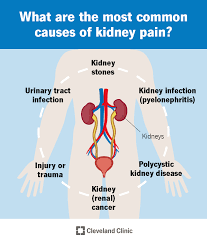
- Persistent Back Pain: While back pain is a common complaint with various causes, persistent or recurrent pain in the lower back, sides, or abdomen could indicate kidney problems. Kidney pain is often described as a dull ache or pressure in the affected area and may be accompanied by other symptoms such as fever, nausea, and urinary changes. It’s crucial to differentiate between kidney pain and musculoskeletal back pain, as the underlying causes and treatments differ.
- High Blood Pressure: Healthy kidneys help regulate blood pressure by controlling the balance of fluids, electrolytes, and hormones in the body. Conversely, high blood pressure (hypertension) can also damage the kidneys over time, leading to a vicious cycle of kidney damage and worsening hypertension. If you have uncontrolled or poorly managed high blood pressure, it’s essential to monitor your kidney function regularly through blood and urine tests and work with your healthcare provider to optimize blood pressure control.
If you experience any of these signs or symptoms, it’s essential to seek medical attention promptly. Early detection and intervention can help prevent or delay the progression of kidney disease and reduce the risk of complications such as kidney failure, cardiovascular disease, and other serious health issues. Additionally, maintaining a healthy lifestyle, including regular exercise, a balanced diet, staying hydrated, and avoiding smoking and excessive alcohol consumption, can support kidney health and overall well-being.






 Latest News1 week ago
 Entertainment6 days ago
 Latest News2 weeks ago
 Latest News2 weeks ago
 Latest News1 week ago
 Latest News5 days ago
 Latest News6 days ago
 Latest News4 days ago
 Entertainment2 weeks ago
 Latest News4 days ago
 Entertainment5 days ago
 Latest News7 days ago