
Business
Inflation Renders N20, N10, N5 ‘Irrelevant’

Inflation Renders N20, N10, N5 ‘Irrelevant’
As inflation continues to bite harder, lower denominations of the Naira currency, such as N20, N10, and N5, are becoming increasingly irrelevant for purchases across major markets in Nigeria……READ ALSO States With The Highest And Lowest Food Price Inflation Rates In March 2024
In the past, these denominations were commonly used for small transactions like purchasing pure water or settling fees at police checkpoints. However, their purchasing power has significantly diminished in recent years due to rising prices.
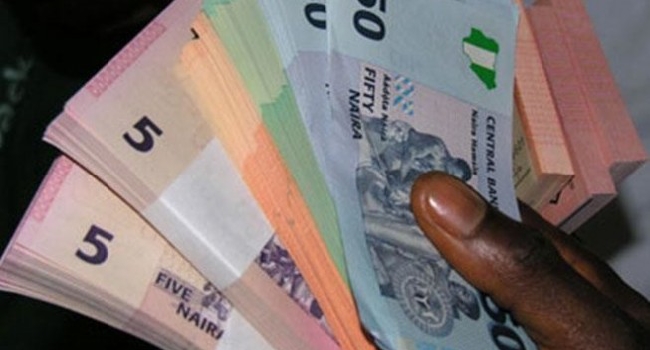
A recent market survey revealed that more than half of Nigeria’s legal tender denominations are unable to make meaningful purchases anymore. Despite this, the Central Bank of Nigeria (CBN) still recognizes these denominations, including coins like 50 kobo, N1, and N2, as well as polymer notes of N5, N10, N20, and N50.
For example, a sachet of pure water, which used to cost N5, now sells for N30. Similarly, items like sugar and candies have seen their prices rise, with some goods now being priced at rounded figures of 50 or 100, making the lower denominations irrelevant.
The depreciation of the Naira against major foreign currencies like the dollar has worsened the situation. At one point, the Naira was trading at about N1,900 to a single dollar, but after CBN interventions, it now trades at around N1050 to a dollar. This means that $1000 is now worth more than N1 million in Naira.
Despite the recent appreciation of the Naira’s value, commodity prices have not shown any significant signs of decreasing. Experts attribute Nigeria’s inflation to various factors, including foreign exchange dynamics.
In 2016, the CBN temporarily halted the printing of lower denomination notes due to the high cost of production. Each lower denomination note reportedly costs N1000 to print because the Nigeria Security Printing and Minting plc (NSPM) cannot print on polymer.
Economists and monetary policy experts are now calling on the CBN to discontinue the printing of lower denomination notes and review the currency system in line with current economic realities. Some suggest adopting a re-denomination policy similar to what Ghana implemented in 2007, where zeros were removed from their currency to address inflation.
While there were previous plans by the CBN to introduce higher denomination notes like N5000 and coins for lower denominations, public outcry led to the shelving of these plans. However, years later, prices of goods and services continue to rise beyond the levels seen in 2012.
Join our channel for more latest news https://whatsapp.com/channel/0029VaV4jB6DuMRgwqnJCF32


-

 Latest News2 weeks ago
Tinubu Summons 76 Osun APC Leaders Over Ribadu’s Explosive Intelligence Report
-

 Latest News2 weeks ago
Tinubu Picks Gbajabiamila, Soludo, Zulum, Others For Canada Investment Mission
-

 Latest News2 weeks ago
Tinubu Approves Fresh Civil Service Recruitment Exercise
-

 Latest News2 weeks ago
Tinubu Launches ₦216bn Osun–Oyo Road Projects
-

 Latest News1 week ago
Army Orders Abuja Residents To Vacate Homes Over Security Threat
-

 Latest News1 week ago
Okpebholo Sacks SUBEB Chairman, Names Immediate Replacement
-

 Latest News1 week ago
Tinubu Approves New Ports Regulator For Nigeria
-

 Latest News2 days ago
Tinubu Meets Akpabio, Doguwa, Oyetola, Alake At Aso Rock
-

 Latest News4 days ago
INEC Makes Fresh Announcement After Declaring Adeleke Winner Of Osun Election
-

 Latest News1 week ago
Edo Gov Reshuffles Cabinet, Creates New Ministry — Full List
-

 Gist6 days ago
Your Uncle Adeleke Is The Real Arindin’ – Sowore Fires Back At Davido
-

 Latest News2 weeks ago
JUST IN: Osun Commissioner Arrested Over Shooting At APC Rally