

Latest News
El-Rufai Speaks Out On ICPC Probe: ‘It’s My Constitutional Right

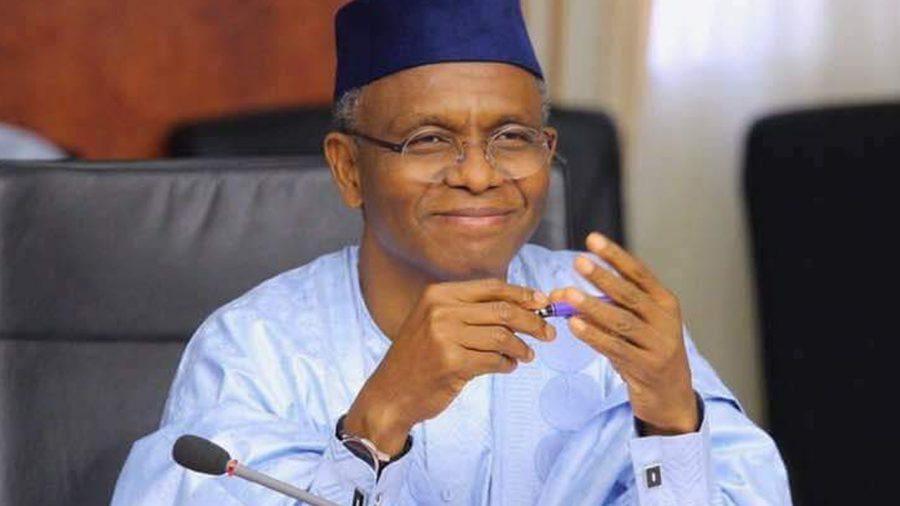
According to Ireporter Online, former Kaduna State governor, Nasir El-Rufai, has justified his decision not to answer questions from the Independent Corrupt Practices Commission (ICPC), framing his silence as a constitutional right rather than defiance.
El-Rufai, who is under investigation by the anti-graft agency, submitted two handwritten statements to ICPC officers on February 19 and 20, 2026, while under caution and in the presence of his lawyer, Ubong E. Akpan.
In his first statement, dated February 19, the former governor confirmed that he understood the cautionary notice and voluntarily provided personal background details. He recounted his birth in Dandawa, Katsina State in 1960, his upbringing in Kaduna, and his academic journey through Ahmadu Bello University, Harvard University, and the University of London.
El-Rufai highlighted his professional career in quantity surveying, telecommunications, and public service, noting his tenure as Director General of the Bureau of Public Enterprises (1999–2003), Minister of the Federal Capital Territory (2003–2007), and two-term governor of Kaduna State (2015–2023). He also mentioned that he is now retired and spends most of his time in Egypt with half of his family and his 96-year-old mother.
However, when questioned by ICPC, El-Rufai declined to respond. “In response to your question (and indeed all your questions), I have, on the advice of counsel, decided to exercise my right to silence. I will make no further statement or respond to any question,” he wrote.
El-Rufai further argued that after nearly two years of investigation, the ICPC should present its findings to a judicial tribunal rather than questioning him directly. He added that he would only respond to allegations in a court of law, alleging that the probe was politically motivated due to his membership in the African Democratic Congress (ADC), which he described as the only surviving opposition party in Nigeria.
In a follow-up statement on February 20, 2026, after investigators presented additional documents, El-Rufai maintained his position, reiterating that he would respond only in a court of law.
The ICPC had earlier obtained a 14-day remand order from a Chief Magistrate’s Court in Bwari, set to expire on March 5, 2026. The development adds a new dimension to the ongoing investigation into the former governor, with both legal and political factors shaping the unfolding narrative.

-
 Latest News2 days ago
Full List: Tinubu Gives Approval For New Appointments
-
 Latest News2 weeks ago
New Crisis In NDC As Kano Chairman Blocks Kwankwaso’s Takeover Move
-
 Latest News4 days ago
APC Expels 30 Members Over Legal Action Against Party
-
 Latest News2 weeks ago
You Will End Up On Your Knees When We Retaliate” – Oshiomhole Slams South African President
-
 Latest News11 hours ago
Kaduna APC House Of Reps Aspirant Pulls Out Of The Race
-
 Latest News2 days ago
Full List: NJC Recommends 12 Justices For Court Of Appeal, Suspends Two Judges Over Misconduct
-
 Latest News6 days ago
Kano Senate Race: Six APC Aspirants Withdraw, Back Shekarau
-
 Latest News1 week ago
President Tinubu Makes Surprise New Appointment
-
 Latest News2 weeks ago
UBA Cracks Down on False Divorce Rumour About Tony Elumelu — Three Arrested
-
 Latest News2 weeks ago
Kano Political Shake-Up As Two Lawmakers Defect From ADC
-

 Latest News2 weeks ago
Family Pleads With Tony Elumelu To Forgive Teen Arrested Over False Post
-
 Latest News1 week ago
BREAKING: Prominent Lagos Monarch Passes Away