Harnessing The Power Of Nutrition: Top 11 Nutrients To Combat Cancer Stem Cells
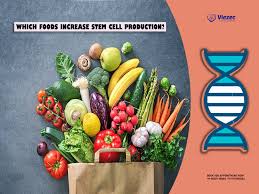
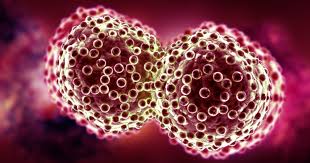
In the ongoing battle against cancer, researchers and patients alike are increasingly turning to the power of nutrition to complement traditional treatments and support overall health. While no single food or nutrient can cure cancer, emerging studies suggest that certain compounds found in foods may help target and destroy cancer stem cells, the driving force behind tumor growth and recurrence…..CONTINUE READING
Here, we explore 11 key nutrients that show promise in fighting cancer stem cells and supporting the body’s natural defense mechanisms.
- Curcumin: Derived from turmeric, curcumin has gained attention for its potent anti-inflammatory and antioxidant properties. Research suggests that curcumin may inhibit the growth and proliferation of cancer stem cells in various types of cancer, including breast, colon, and pancreatic cancer.
- Resveratrol: Found in red grapes, berries, and peanuts, resveratrol is a polyphenol known for its anticancer effects. Studies indicate that resveratrol may target cancer stem cells in breast, prostate, and colorectal cancer, potentially reducing tumor growth and metastasis.
- Epigallocatechin-3-gallate (EGCG): Abundant in green tea, EGCG is a catechin with potent antioxidant and anticancer properties. Research suggests that EGCG may inhibit the self-renewal and survival of cancer stem cells in various cancers, including breast, prostate, and ovarian cancer.
- Sulforaphane: Found in cruciferous vegetables such as broccoli, sulforaphane is a sulfur-containing compound known for its cancer-fighting properties. Studies indicate that sulforaphane may inhibit the growth and metastasis of cancer stem cells in breast, prostate, and colorectal cancer.
- Quercetin: A flavonoid found in fruits, vegetables, and grains, quercetin exhibits antioxidant, anti-inflammatory, and anticancer effects. Research suggests that quercetin may target cancer stem cells in breast, colon, and pancreatic cancer, potentially suppressing tumor growth and recurrence.
- Vitamin D: Known as the sunshine vitamin, vitamin D plays a crucial role in immune function and cancer prevention. Studies suggest that adequate vitamin D levels may inhibit the self-renewal and survival of cancer stem cells in various cancers, including breast, prostate, and colorectal cancer.
- Omega-3 fatty acids: Found in fatty fish, flaxseeds, and walnuts, omega-3 fatty acids possess anti-inflammatory and anticancer properties. Research indicates that omega-3 fatty acids may inhibit the growth and metastasis of cancer stem cells in breast, prostate, and colorectal cancer.
- Vitamin C: A powerful antioxidant found in citrus fruits, bell peppers, and leafy greens, vitamin C plays a crucial role in immune function and cancer prevention. Studies suggest that high-dose vitamin C may selectively target cancer stem cells, potentially enhancing the effectiveness of conventional cancer therapies.
- Lycopene: A carotenoid pigment found in tomatoes, watermelon, and pink grapefruit, lycopene exhibits antioxidant and anticancer effects. Research suggests that lycopene may inhibit the self-renewal and survival of cancer stem cells in prostate and breast cancer, potentially reducing tumor growth and recurrence.
- Selenium: An essential trace mineral found in nuts, seeds, and seafood, selenium plays a critical role in antioxidant defense and immune function. Studies suggest that selenium may inhibit the growth and proliferation of cancer stem cells in various cancers, including breast, prostate, and colorectal cancer.
- Gingerol: A bioactive compound found in ginger, gingerol possesses potent anti-inflammatory and anticancer properties. Research suggests that gingerol may inhibit the self-renewal and survival of cancer stem cells in ovarian and colorectal cancer, potentially suppressing tumor growth and metastasis.
While more research is needed to fully understand the mechanisms underlying the anticancer effects of these nutrients, incorporating a variety of nutrient-rich foods into your diet may help support overall health and reduce the risk of cancer development and progression. As always, it’s essential to consult with a healthcare professional before making any significant changes to your diet or lifestyle, especially if you’re undergoing cancer treatment. By harnessing the power of nutrition, we can take proactive steps towards a healthier future and a world free from the burden of cancer.






 Latest News2 weeks ago
 Entertainment2 weeks ago
 Latest News1 week ago
 Latest News2 weeks ago
 Latest News1 week ago
 Latest News1 week ago
 Latest News1 week ago
 Entertainment1 week ago
 Latest News7 days ago
 Latest News2 weeks ago
 Latest News23 hours ago
 Latest News2 weeks ago