


Latest News
Soaring Ram Prices Force Nigerians to Downsize Eid al-Adha Celebrations

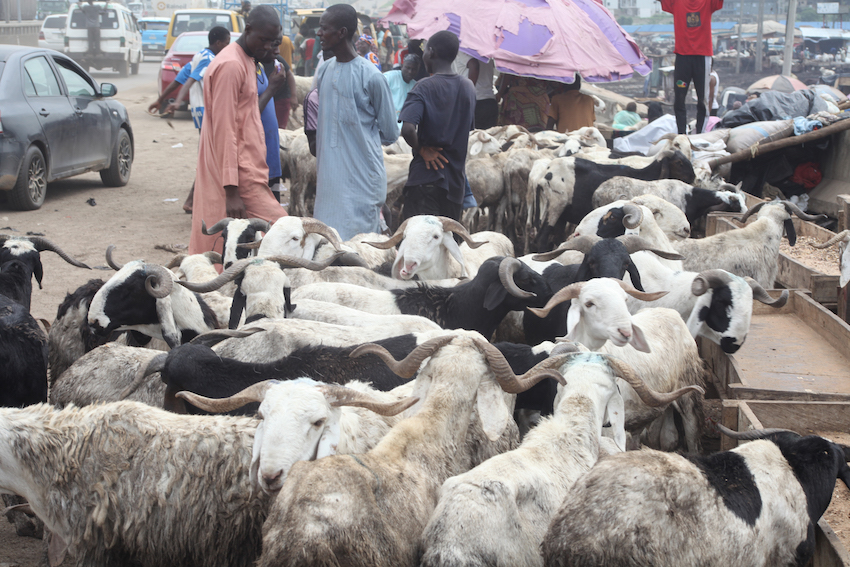
As Nigerians gear up for the 2025 Eid al-Adha festivities, the spirit of celebration is being tempered by a dramatic spike in ram prices — a key component of the religious sacrifice.
A visit to Kara Market, a major livestock center along the Lagos-Ibadan Expressway, paints a troubling picture. Many families are leaving without making purchases, unable to afford even the smallest ram.
“Last year, this size was N300,000. Today, if you don’t have N500,000, you can’t even touch it,” said Abdullahi Musa, a seasoned ram trader. “Feed, transport — everything has doubled.”
From Livestock to Luxury: Price Surge Hits Record Levels
A report by Smartpreneur reveals alarming year-on-year inflation in livestock prices:
-
Large rams (2024: N180,000–N350,000) now sell for over N1 million — a 185% to 455% increase.
-
Medium-sized rams (2024: N180,000–N400,000) now cost N600,000–N800,000, a 100% to 333% rise.
-
Small rams, once priced at N100,000–N190,000, are now N200,000–N500,000 — up by 100% to 400%.
In short, this year’s prices have doubled or tripled, marking one of the sharpest price jumps in recent history.
Ram or Rent? Families Reconsider Sallah Traditions
The skyrocketing costs have left many households choosing between ritual sacrifice and basic living expenses.
“Ram or rent — I can’t afford both,” said Mr Segun, a father of four in Agege. “We’ll pray and eat rice, and that’s enough.”
Some families are opting for goats, chickens, or group cow purchases to manage costs.
What’s Driving the Spike?
The price surge is linked to multiple economic and security challenges:
-
Nigeria’s inflation rate reached 23.71% in April 2025 (NBS).
-
Fuel price hikes have pushed up transport costs.
-
Banditry and herder-farmer clashes are disrupting livestock movement, especially from northern regions.
“We don’t have enough supply. Herders fear for their lives. Some were attacked just last month in Niger,” explained Usman Tanimu, a merchant from Zamfara.
Hoarding and Price Manipulation Raise Concerns
Sellers at Kara Market blame new middlemen for hoarding rams to drive up prices.
“They keep rams in urban warehouses and release them close to Sallah,” said Mallam Abdullahi, a veteran trader.
Scaling Back: A Quieter Eid
Faced with tough choices, many families are simplifying their celebrations.
“We used to slaughter two rams and feed the entire street. This year, we’ll manage with boiled yam and stew,” said Bello Akinwale, a father of five in Ogun State.
In response, Nigerians are adapting with:
-
Shared sacrifices (e.g. joint cow purchases)
-
Early bulk buying
-
Substituting rams with goats or poultry
-
Embracing the concept of a “Silent Sallah” — minimal celebrations and emphasis on prayer.
Sellers Not Immune to the Crisis
Despite high prices, many traders report poor sales.
“I’ve sold only five rams this week. Normally I’d be on my third truck,” said Ismaila Yakubu, another Kara seller. “Buyers are frustrated, but we’re also hurting. Unsold stock means total loss.”
Amid these challenges, many Muslims emphasize that faith, sacrifice, and compassion — not extravagance — remain the heart of Eid al-Adha.

-

 Latest News4 days ago
Olisa Metuh, Tunde Rahman, Abike Dabiri, Others Appointed As Tinubu’s Renewed Hope Ambassadors
-
 Latest News1 week ago
Iyabo Obasanjo Responds As Senator Yayi Emerges Ogun APC Consensus Candidate
-
 Latest News2 weeks ago
Presidency Fires Back At ADC: ‘We Won’t Close Shop Because You’re Struggling
-
 Latest News2 weeks ago
It’s Obvious I Don’t Own What You Have” – Lamido Blasts Malami Over ‘Thief’ Claims
-

 Latest News1 day ago
Tinubu Greenlights New Police Academy Campus, Releases ₦15B Boost
-

 Latest News2 weeks ago
APC Blocks Bala Mohammed’s Defection — Here’s Why
-

 Latest News2 days ago
Senator Abbo Quits ADC In Sh*ck Political Move
-

 Latest News3 days ago
ADC Crisis Worsens As Binani Allies Defect In Adamawa
-

 Latest News2 weeks ago
Keyamo Slams Peter Obi, Kwankwaso: ‘They Think They Can Blackmail Everyone
-

 Latest News1 week ago
Tony Akiotu Has Been Appointed As The New Chairman Of The Broadcasting Organisations Of Nigeria
-
 Latest News7 days ago
Why We’re Tolerating Wike – APC Chair Yilwatda Speaks Out
-

 Latest News2 weeks ago
Iyabo Obasanjo Visits Bola Tinubu, Reveals Meeting Details