Connect with us

Latest News

NCDC Reports 167 Deaths From Lassa Fever In Q1

Published

on

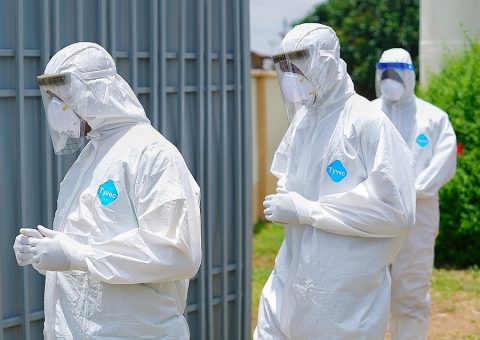
NCDC 480x340 1

The Nigeria Centre for Disease Control and Prevention (NCDC) has disclosed a sharp rise in fatalities from Lassa fever across the country this year, even as a slight decline in new confirmed infections was recorded in the most recent epidemiological week.

According to the agency’s Epidemiological Week 13 report, made available in Abuja, a total of 167 deaths have been recorded so far in 2026, with the case fatality rate rising to 25.2 percent—significantly higher than the 18.5 percent reported within the same period in 2025.

People Living With HIV/AIDS At Higher Risk Of Mpox – NACA Warns

The report noted that 26 new confirmed cases were identified in Week 13, a drop from 51 cases recorded in the preceding week. These cases were spread across seven states, including Edo, Bauchi, Ondo, Taraba, Ebonyi, Benue, and Kaduna.

Battle For 2023: Why Wike's Best Bet Is To Work With Tinubu(All You Need To Know)

Despite the weekly decline in confirmed infections, the NCDC warned that the overall disease burden remains high, with 663 confirmed cases out of 3,831 suspected cases reported across 22 states and 93 local government areas since the beginning of the year.

Advertisement

The agency further revealed that Bauchi, Ondo, Taraba, Edo, and Benue states account for about 85 percent of all confirmed cases, while young adults aged 21 to 30 remain the most affected demographic group, with a median age of 30 years.

US Treasury Says Government May Default On Debt As Early As June

Health authorities attributed the persistently high fatality rate to late presentation of cases, poor health-seeking behaviour, high cost of treatment, inadequate environmental sanitation, and low awareness in affected communities.

Edo State on Shutdown As APC Officially Flags Off Campaign, Set To Change the Narrative For A Better Edo

However, the report confirmed that no new infections among healthcare workers were recorded during the reporting period, indicating some progress in infection control within clinical settings.

In response to the outbreak, the NCDC stated that it has activated a multi-partner Incident Management System to strengthen coordination of national response efforts. It added that collaboration with international and local partners, including the World Health Organization (WHO), UNICEF, and Médecins Sans Frontières (MSF), has intensified surveillance, contact tracing, and public sensitization campaigns.

Advertisement

The agency also noted that targeted interventions such as healthcare worker protection plans and improved infection prevention and control measures are being implemented in high-burden states.

Fuel Price Journey: From 4 Kobo To N650-N700/Litre - A Decades-Long Evolution

The NCDC urged state governments to sustain year-round community engagement while encouraging healthcare workers to maintain a high index of suspicion for Lassa fever to ensure early detection and timely treatment.

“Enkay Ogboruche Describes Herself As Vibrant, Diligent, And Deeply Rooted In Culture”

Public health experts have warned that the rising fatality rate, despite ongoing interventions, highlights persistent gaps in early diagnosis and access to quality healthcare services.

Chippa United Throws Support Behind Super Eagles In AFCON Semi-Final Clash

Lassa fever is an acute viral haemorrhagic illness transmitted mainly through contact with food or household items contaminated by infected rodents, with outbreaks typically peaking during the dry season in Nigeria.

Advertisement

Advertisement
Click to comment
Subscribe
Notify of
guest
0 Comments
Oldest
Newest Most Voted
Inline Feedbacks
View all comments

Trending

0
Would love your thoughts, please comment.x
()
x