
Local news
Live Update: Nationwide Protests Erupt Across Nigeria Amid Economic Hardship

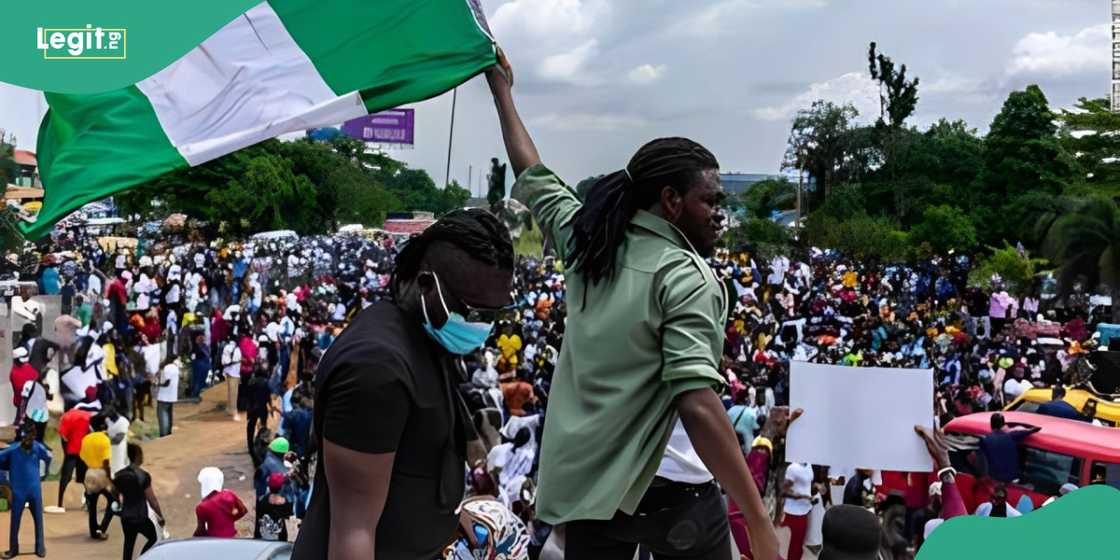
Dramatic display of discontent, Nigerians across the country have taken to the streets in a massive nationwide protest, voicing their frustration over persistent economic hardship and rising hunger. The demonstrations come under the administration of President Bola Ahmed Tinubu, marking a significant moment in the country’s political and social landscape.
Human rights organizations, activists, and opposition figures have united to amplify the call for change. Prominent voices including Femi Falana, Ebun-Olu Adegboruwa, and Deji Adeyanju, alongside former presidential candidate Omoyele Sowore and his Take It Back movement, have mobilized the public to demand immediate action from the government.
The protests began early this morning, with thousands of Nigerians gathering in major cities including Lagos, Abuja, and Port Harcourt. The demonstrators, waving banners and chanting slogans, are calling for an end to what they describe as poor governance and economic mismanagement. Many of the protesters cite soaring food prices, high unemployment rates, and a lack of basic services as key reasons for their dissatisfaction.
In Lagos, the commercial hub of Nigeria, streets are crowded with demonstrators, with traffic disrupted as crowds march through key areas. In Abuja, the nation’s capital, large groups have assembled outside government buildings, while in Port Harcourt, the energy sector hub, protests have been reported to cause significant disruptions to daily activities.
The nationwide protest has garnered significant attention from international observers and media, highlighting the severe economic challenges facing Nigeria. The government’s response to these protests remains to be seen, but there are already indications of heightened security measures in response to the growing unrest.
Activists have been vocal about the need for systemic change, emphasizing that the current economic policies are failing to address the needs of ordinary Nigerians. “This protest is a cry for help from the people who are suffering under the weight of an ineffective government,” said Femi Falana, a prominent human rights lawyer. “We need urgent reforms to alleviate the hardship faced by millions.”
As the day progresses, the intensity of the protests is expected to rise, with more cities likely to join the nationwide call for change. The outcome of these demonstrations could have far-reaching implications for Nigeria’s political landscape, potentially influencing future policy decisions and government accountability.


-
 Latest News2 weeks ago
Tinubu Summons 76 Osun APC Leaders Over Ribadu’s Explosive Intelligence Report
-
 Latest News6 hours ago
Tinubu Govt Declares Nationwide Public Holiday For Nigerians
-

 Latest News2 weeks ago
Army Orders Abuja Residents To Vacate Homes Over Security Threat
-
 Latest News1 week ago
Okpebholo Sacks SUBEB Chairman, Names Immediate Replacement
-
 Latest News1 week ago
Tinubu Approves New Ports Regulator For Nigeria
-

 Latest News3 days ago
Tinubu Meets Akpabio, Doguwa, Oyetola, Alake At Aso Rock
-

 Latest News5 days ago
INEC Makes Fresh Announcement After Declaring Adeleke Winner Of Osun Election
-
 Latest News1 week ago
Edo Gov Reshuffles Cabinet, Creates New Ministry — Full List
-

 Gist7 days ago
Your Uncle Adeleke Is The Real Arindin’ – Sowore Fires Back At Davido
-
 Latest News2 weeks ago
JUST IN: Osun Commissioner Arrested Over Shooting At APC Rally
-

 Entertainment3 days ago
Ogogo’s Family Breaks Silence, Debunks Viral D**th Rumour
-

 Latest News2 weeks ago
Barcelona Cancel Morocco Friendly Amid Ceuta Border Tensions