

Latest News
Obasanjo Criticizes-Leadership After Rising Insecurity In Nigeria, Calls For Urgent Change (Details)


Obasanjo Criticizes-Leadership After Rising Insecurity In Nigeria, Calls For Urgent Change (Details)
Former President Olusegun Obasanjo has voiced deep concerns over the escalating insecurity and societal issues plaguing Nigeria, describing the nation as increasingly volatile, uncertain, and complex. His remarks came during the Africa Methodist Council Heads of Conference Summit and Women’s Movement Leadership Summit in Lagos, where he served as Chairman of the public lecture.
Addressing the summit, Obasanjo highlighted the dire situation marked by widespread suffering and hunger. He criticized the current leadership’s response to the myriad challenges facing Nigeria, emphasizing the urgent need for leaders to awaken to their responsibilities to create a safer and more prosperous environment for all citizens.
The summit’s theme, “Leadership in a Volatile, Uncertain, Complex, and Ambiguous World,” was presented by Bishop Ivan Abrahams, General Secretary of the World Methodist Council. In his opening remarks, Obasanjo stressed that the prevailing insecurity has rendered Nigeria a perilous place, necessitating a re-evaluation of governance and leadership approaches.
Obasanjo called for Nigerian leaders to adopt new strategies and perspectives to effectively navigate the complexities of the modern world. His critique comes amid Nigeria’s ongoing struggles with security challenges, including insurgency, banditry, and communal conflicts, which have exacerbated the conditions of suffering and poverty among the populace.
Reflecting on the need for a new generation of leaders, Obasanjo said, “We need a new generation of leaders; moral leaders, transformational leaders, and servant leaders. This new generation of leaders will lead by showing love and leading the re-evaluation and transformation.”
He also pointed out the vast resources in Africa, contrasting it with resource-poor but successful nations like Japan and Singapore. “Whatever resources we have, if we are devoid of leadership, it won’t get us anywhere. That is why leadership in Africa is very important.”
Obasanjo recounted his experience upon release from prison, noting the advice he received from South African leaders Nelson Mandela and Desmond Tutu to pursue the Nigerian presidency. He emphasized the importance of utilizing good leaders to their fullest potential, drawing parallels to his and Mandela’s experiences of transforming adversity into leadership advantages.
During a Q&A session, Obasanjo criticized the removal of History from Nigeria’s educational curriculum, describing it as a “huge disaster.” He stressed the importance of teaching history accurately to avoid repeating past mistakes and to honor the true experiences of the black race, particularly regarding slavery and colonialism.
Obasanjo also addressed the negative impact of Nigeria’s reliance on crude oil, describing it as a “misfortune” that led to the neglect of agriculture. He advocated for a return to agricultural development to empower the youth and curb their restiveness.
In his advice to aspiring politicians, Obasanjo emphasized the need for politicians to have alternative means of livelihood. He warned against the dangers of being a professional politician without principles or morality, sharing his own experience of always having farming as a backup plan during his political career.
In conclusion, Obasanjo’s remarks at the summit underscored the critical need for visionary and ethical leadership to navigate Nigeria through its current challenges and towards a future of hope, prosperity, and security.


-
 Latest News1 day ago
Tinubu Summons 76 Osun APC Leaders Over Ribadu’s Explosive Intelligence Report
-

 Latest News4 days ago
Tinubu Picks Gbajabiamila, Soludo, Zulum, Others For Canada Investment Mission
-
 Latest News1 week ago
BREAKING: Tinubu Makes Fresh Appointment
-

 Latest News2 weeks ago
Full List: 10 AIGs Moved As IGP Disu Reshuffles Police Top Brass
-
 Latest News1 week ago
Presidency Fires Back At Catholic Bishops
-

 Latest News1 week ago
Wike Breaks Silence On ₦750m Campaign Billboard Fee
-
 Latest News1 week ago
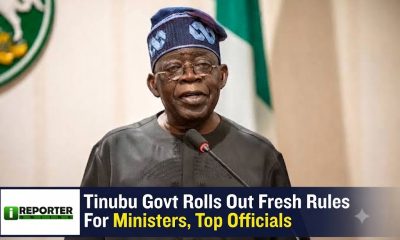
Tinubu Govt Rolls Out Fresh Rules For Ministers, Top Officials
-
 Latest News4 days ago
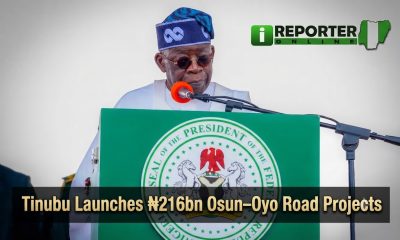
Tinubu Launches ₦216bn Osun–Oyo Road Projects
-
 Latest News2 weeks ago
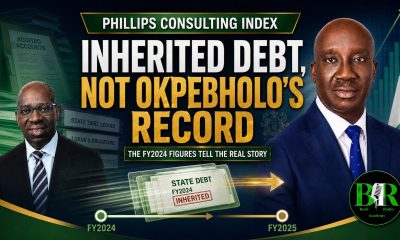
PHILLIPS CONSULTING INDEX: WHY THE FINDINGS REFLECT EDO’S INHERITED FISCAL BURDEN—NOT OKPEBHOLO’S RECORD
-
 Latest News4 days ago
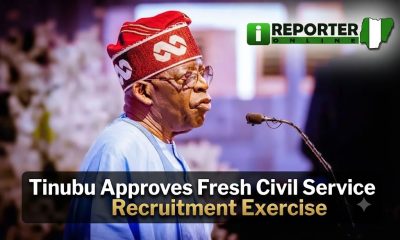
Tinubu Approves Fresh Civil Service Recruitment Exercise
-

 Latest News1 week ago
‘Football Is Not For Sale’ – FIFA Fires Back Amid World Cup Investment Backlash
-

 Latest News1 week ago
Fuel Price Drops As MRS, Others Slash Petrol Pump Price