

Economy
Current Black-Market Dollar To Naira Exchange-Rate On June 2, 2024 (Details)

Current Black-Market Dollar To Naira Exchange-Rate On June 2, 2024 (Details)
Current Exchange Rates
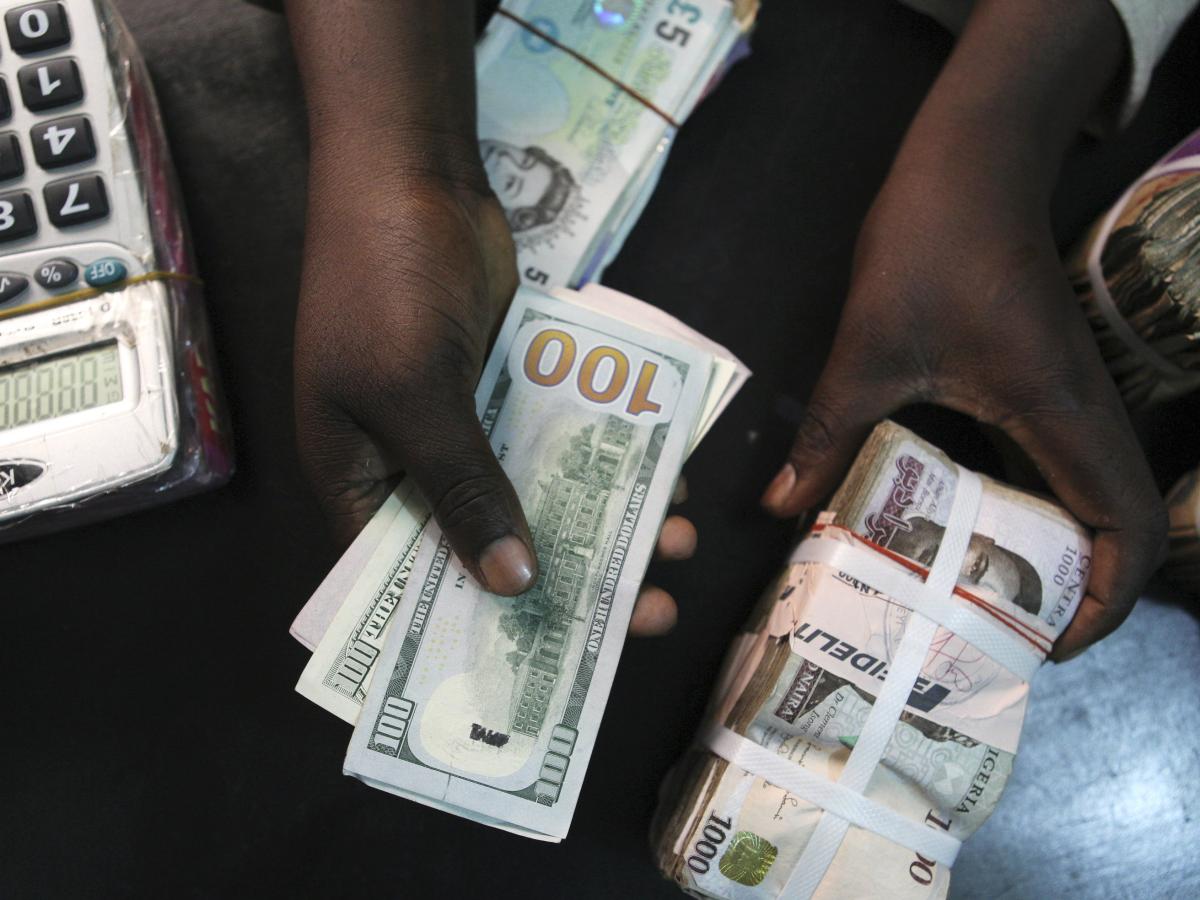
As of June 1, 2024, the exchange rate for a dollar to naira at the Lagos Parallel Market (Black Market) is as follows:
Buying Rate: N1475 per USD
Selling Rate: N1481 per USD
These rates have been sourced from Bureau De Change (BDC) operators.
Official Central Bank of Nigeria (CBN) Rates
The Central Bank of Nigeria (CBN) rates for the same day are slightly lower:
Buying Rate: N1474 per USD
Selling Rate: N1475 per USD
It’s important to note that the CBN does not recognize the parallel market (black market). Individuals looking to engage in foreign exchange transactions are advised to approach their respective banks.
Market Implications and Recommendations
Nigerians are closely watching the potential implementation of a new exchange rate recommendation for customs import duties. The Presidential Committee on Fiscal Policy and Tax Reforms has suggested that the federal government adopt an exchange rate of ₦800 per dollar for customs import duties. This move aims to stabilize the volatile import costs, which have been a significant challenge for businesses due to fluctuating foreign exchange rates.
Benefits of a Fixed Exchange Rate for Customs Duties
Stabilized Import Costs: A fixed rate could provide predictability for businesses, aiding in effective financial planning and budgeting.
Lower Commodity Prices: By stabilizing import duty rates, the cost of imported goods could decrease, making essential items more affordable for consumers.
Economic Planning: The measure is expected to mitigate the impacts of inflation and rising prices, offering some relief to Nigerian consumers who have been grappling with economic challenges.
The recommendation was discussed by the committee chairman, Taiwo Oyedele, who emphasized the detrimental effects of current FX market unpredictability on businesses and consumers alike. If adopted, this fixed exchange rate could significantly alleviate some of the financial burdens currently faced by importers and the broader Nigerian populace.
Conclusion
While the parallel market continues to operate at higher rates, the official stance and potential policy changes suggest efforts to stabilize and possibly reduce the financial strain on Nigerians. As the situation evolves, it is crucial for businesses and consumers to stay informed about both official and parallel market rates to make well-informed financial decisions.


-

 Latest News3 days ago
Tinubu Picks Gbajabiamila, Soludo, Zulum, Others For Canada Investment Mission
-

 Latest News1 week ago
BREAKING: Tinubu Makes Fresh Appointment
-

 Latest News2 weeks ago
Full List: 10 AIGs Moved As IGP Disu Reshuffles Police Top Brass
-

 Latest News1 week ago
Presidency Fires Back At Catholic Bishops
-

 Gist2 weeks ago
Davido Fires Back At MC Oluomo Over Osun NURTW Crisis
-

 Latest News1 week ago
Wike Breaks Silence On ₦750m Campaign Billboard Fee
-

 Latest News6 days ago
Tinubu Govt Rolls Out Fresh Rules For Ministers, Top Officials
-

 Latest News3 days ago
Tinubu Launches ₦216bn Osun–Oyo Road Projects
-

 Latest News2 weeks ago
2027 Elections: APC Uploads 27 Governorship Candidates To INEC Portal
-

 Latest News2 weeks ago
PHILLIPS CONSULTING INDEX: WHY THE FINDINGS REFLECT EDO’S INHERITED FISCAL BURDEN—NOT OKPEBHOLO’S RECORD
-

 Latest News3 days ago
Tinubu Approves Fresh Civil Service Recruitment Exercise
-

 Latest News1 week ago
‘Football Is Not For Sale’ – FIFA Fires Back Amid World Cup Investment Backlash