Connect with us

Latest News

Kitchen Mistakes Revealed Why Filling A Dirty Pot With Water After Cooking Is A Big ‘No-No’

Published

on

Untitledghj
Kitchen Mistakes Revealed Why Filling A Dirty Pot With Water After Cooking Is A Big ‘No-No’
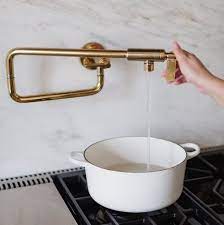
In the hustle and bustle of daily cooking routines, it’s easy to overlook certain kitchen practices that can compromise hygiene and food safety. One such common mistake is refilling a dirty pot with water immediately after cooking. While it might seem like a convenient way to start the cleaning process, this habit can lead to a range of issues that affect both the cleanliness of your kitchen and the quality of your meals….READ ALSOWhy Cockroaches Are Unwelcome Guests In Your Kitchen


Here’s why refilling a dirty pot with water after cooking is a big no-no:

Advertisement
  1. Bacterial Growth: When you leave food residue in a pot and then add water to it, you create an ideal environment for bacterial growth. Bacteria thrive in warm, moist conditions, and leftover food particles provide them with the nutrients they need to multiply rapidly. This can lead to foodborne illnesses if the pot is not thoroughly cleaned before its next use.
  2. Cross-Contamination: Refilling a dirty pot with water can also result in cross-contamination, where harmful bacteria from the dirty pot transfer to other surfaces or utensils in your kitchen. This poses a serious risk, especially if the contaminated water comes into contact with foods that are eaten raw or lightly cooked, such as salads or fruits.
  3. Difficult Cleaning: Allowing food residue to sit in a pot and soak in water can make it more challenging to clean later on. The longer food particles remain stuck to the pot, the harder they become to remove. This can result in prolonged scrubbing and the use of harsh cleaning agents, which may damage the pot’s surface over time.
  4. Odor and Taste Transfer: Food residue left in a dirty pot can impart unpleasant odors and tastes to the water when it is refilled. This can affect the flavor of subsequent dishes cooked in the pot and may result in an unappetizing dining experience.
  5. Hygiene Concerns: From a hygiene standpoint, refilling a dirty pot with water is unsanitary and goes against basic kitchen cleanliness principles. Proper cleaning and sanitization practices are essential for preventing the spread of germs and ensuring the safety of your food.

To avoid these issues, it’s important to develop good kitchen habits and clean pots and utensils promptly after use. Wash pots with hot, soapy water, and use a scrub brush or sponge to remove any food residue. Rinse thoroughly with clean water and dry completely before storing. By following these simple steps, you can maintain a clean and hygienic kitchen environment and enjoy safe, delicious meals every time.

Advertisement
Click to comment
Subscribe
Notify of
guest
0 Comments
Oldest
Newest Most Voted

Trending

0
Would love your thoughts, please comment.x
()
x