

Politics
FAAC Allocations: Nigerians Suffer as Governors Shift Responsibilities to Federal Government Amid N5.34 Trillion Revenue Surge

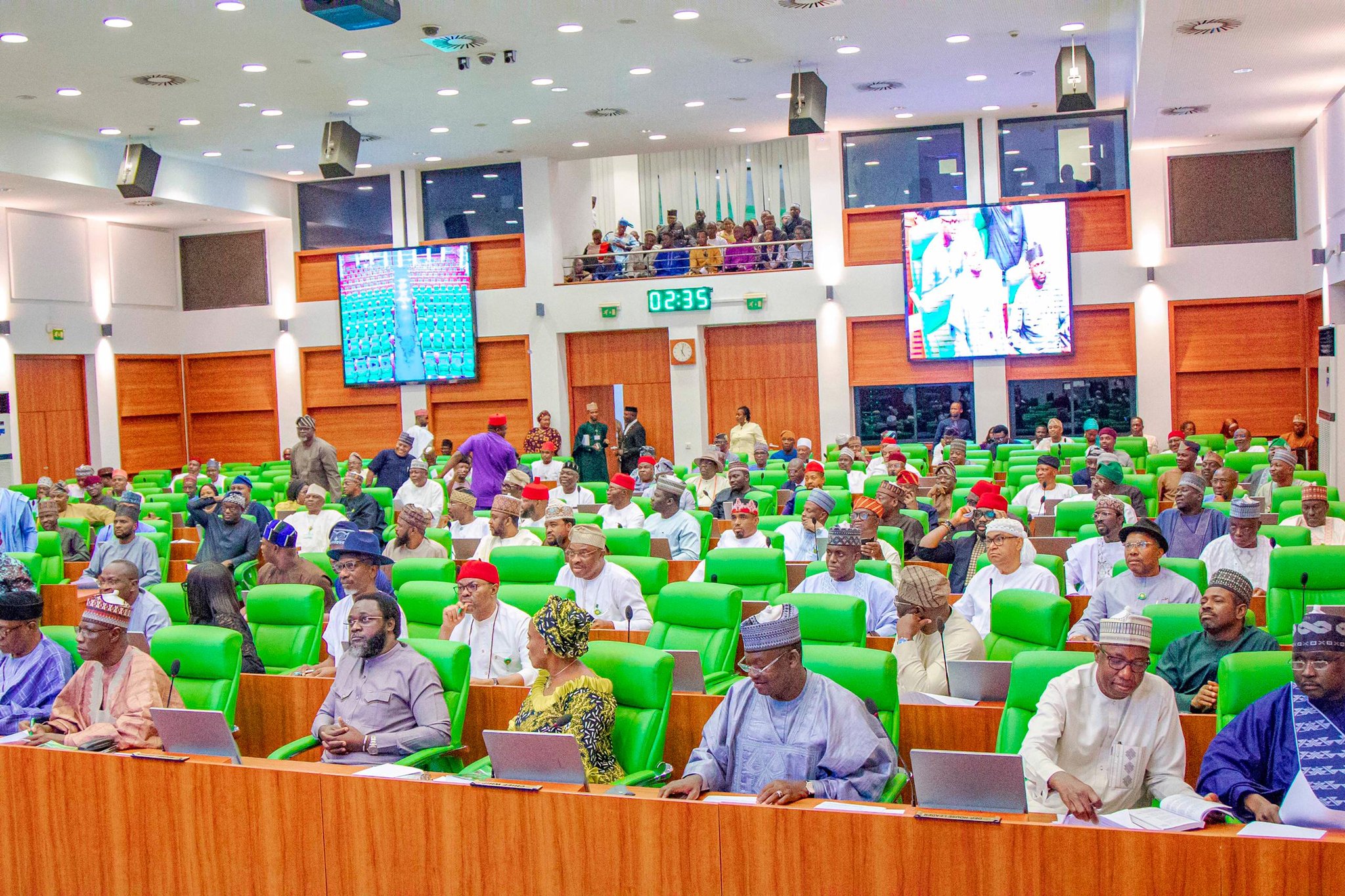
Lagos, Nigeria – Despite a staggering N5.34 trillion in Federation Account Allocation Committee (FAAC) allocations received by state governments in the past year, Nigerian citizens continue to face severe hardships. The situation has been exacerbated as many state governors appear to have shifted their responsibilities to the Federal Government, leaving the public to grapple with worsening poverty and inefficiencies in governance.
In the first year of President Bola Tinubu’s administration, states received a substantial increase in FAAC allocations. However, rather than translating this windfall into improved social services and infrastructure, many state governments have seemingly neglected their responsibilities, contributing to widespread misery among their citizens.
The recent court ruling affirming the autonomy of local governments has spotlighted misuse of allocations by state governors. Previously, local government funds were channeled through state governments, often resulting in governors using these funds inappropriately or withholding them from local councils.
The apex court’s decision clarifies that local government allocations should be paid directly by the Federation to democratically elected councils, rather than through state governments. This ruling underscores the failure of many governors to manage funds transparently and effectively, leading to a significant decline in grassroots welfare services.
Reports indicate that over 133 million Nigerians are trapped in multidimensional poverty, a situation worsened by state governments’ lack of transparency and accountability. While the Federal Government has stepped in with additional funds—over N570 billion recently disbursed for livelihood support—the impact has been minimal. State governments have been accused of hoarding or misallocating these resources, further burdening the already struggling populace.
The National Bureau of Statistics (NBS) highlights the severe state of poverty in Nigeria, with nearly 12 percent of the world’s extreme poor living in the country. States like Sokoto, Bayelsa, and Jigawa have been identified as having the highest multidimensional poverty indices. Factors contributing to this include inadequate healthcare, food insecurity, and limited access to education and essential services.
The rising cost of living exacerbates the situation. For instance, the minimum monthly cost of a healthy diet for a family of four has surged by over 55 percent in just six months, placing decent meals out of reach for many Nigerians.
Civil society organizations (CSOs) such as Yiaga Africa and BudgIT have called on President Tinubu to provide a detailed account of the N570 billion allocated to states for livelihood support. They demand clarity on the allocation process and the specific use of these funds, highlighting the need for greater transparency and accountability.
Amidst this crisis, the burden of poor governance has fallen heavily on the Federal Government, with state leaders largely escaping scrutiny. The failure of state governments to address poverty effectively, despite significant allocations and additional federal support, points to a broader issue of governance and fiscal management.
In light of these challenges, it is crucial for state governments to prioritize transparency, accountability, and effective use of funds. Without significant reforms, the gap between the affluent and the impoverished is likely to widen, further straining Nigeria’s socio-economic fabric.


-

 Politics2 weeks ago
Tinubu Makes Fresh Appointment
-
 Latest News4 days ago
Breaking Political Barriers: Okpebholo Names Enugu-born Igbo Leader to Edo Cabinet
-
 Latest News1 week ago
Breaking: Okpebholo Backs Words With Action As Edo Moves To Establish Special Court For Cultism And Kidnapping Cases, Writes Chief Judge
-

 Politics6 days ago
Tinubu Makes New Ambassadorial Appointments, Seeks Senate Confirmation
-

 Latest News7 days ago
Ojirami Shines at Night: Akoko-Edo Residents Hail Engr. Abubakar Momoh Over NDDC Solar Street Light Project
-

 Latest News1 week ago
Bandits’ Captivity Death: Widow Rejects Illness Claims, Reveals What K!lled General Rabe
-

 Latest News12 hours ago
APC Submits National Assembly Candidates’ Names To INEC Portal
-

 Politics2 weeks ago
36 Governors Reveal Their Stance On State Police
-

 Sports3 days ago
Full List: Every Team Eliminated From The 2026 World Cup So Far
-
 Politics1 week ago
VIDEO: Shettima, Atiku, Masari, Governors Storm Special Prayer For Tinubu’s Late Mother
-

 Latest News1 day ago
APC Dismisses Viral List Of Primary Election Winners
-

 Entertainment2 weeks ago
Dayo Amusa Blasts Peter Obi: “You Can’t Criticize Government And Hide Your Plans