


Latest News
Just In: Over 7.4 Million Nigerians Are Left Without Electricity-Meters (Details)


Just In: Over 7.4 Million Nigerians Are Left Without Electricity-Meters (Details)
About 7.4 million electricity consumers are presently without meters in the Nigerian Electricity Market, despite a five per cent rise in the rate of meter installations to 179,792 in the first quarter of 2024, compared to 171,107 installed over the similar period last year, data from the Nigerian Electricity Regulatory Commission, NERC, has shown.
In the latest data obtained by Vanguard Energy, NERC disclosed that while there are 13.37 million registered electricity consumers as at the end of March, 2024, only 5.989 million have meters, representing 44.78 per cent.
A breakdown of meter installations in the first three months of this year showed that 56,994 meters were installed in March while 79,837 and 42,961 meters were installed in February and January, respectively.
Amongst the electricity distribution companies, DisCos, the Commission’s data showed that Ikeja Electric has provided meters for 73 per cent of its customers with Abuja DisCo (61 percent) and Eko DisCo (59 percent), making the top three companies with the highest rate of metering.
Huge metering gap, a major problem –Minister
The Minister of Power, Adebayo Adelabu has admitted that the huge meter gap was a major problem in the industry which the Federal Government was determined to bridge.
Adelabu noted that the use of the estimated billing system by the DisCos was unfair to customers in the industry.
According to him, “In the industry, a little over five million customers are metered. We have a metering gap of about eight million customers and this huge meter gap is a major problem because the majority of the customers are still on estimated billing. We believe it is not fair because they feel they are being cheated if they cannot validate how they are being billed”.
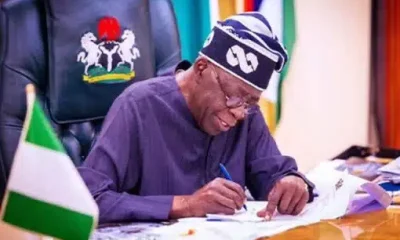
He explained that as part of effort to solve the metering problem, President Bola Tinubu has recently approved the use of N12 billion to meter army formations across the country.
The Federal Government had late last year taken concrete steps to bridge the metering gap by opening bids from 47 companies for the supply of 1.25 million electricity smart meters funded by World Bank’s $155 million loan.
The move was part of the government’s National Mass Metering Programme started in 2021 with the supply of one million meters in “phase -0”. The phase-1 of the project however failed to kick-off as the N200 billion funds expected from the Central Bank of Nigeria, CBN, failed to materialise.
This prompted the World Bank intervention of a $500 million loan for the phase-2 with the balance $345 million going directly to the electricity distribution companies, DisCos, to fund the expansion of the distribution networks across the country.
Five months into 2024, disagreements between the government and local meter manufacturers and assemblers over who should be given priority in the award of the contracts have stalled the project.
In a note to Energy Vanguard on how critical metering is important to the electricity market, the Convener and Executive Director, PowerUp Nigeria, Mr. Adetayo Adegbemle said provision of meters at all key points in the value chain was important.
According to him, “Metering is the basic standard interface in the power sector especially between generating companies and transmission, between transmission and the distributing companies, and ultimately, between the Distribution Companies and consumers.”
Published By: Destiny.Jnr


-
 Latest News2 weeks ago
Presidency Breaks Silence On ‘Poison Plot’ Against Tinubu
-

 Latest News1 week ago
Complete List: IGP Tunji Disu Constitutes 8-Member Committee On State Police
-

 Latest News4 days ago
Oshiomhole Reveals Governors Confessed They Were Afraid I’d Push Tinubu On Them
-

 Latest News1 week ago
Tinubu Elevates Masari To Special Adviser Role
-

 Latest News2 weeks ago
ICPC Reveals Full List Of Devices And Documents Seized From El-Rufai’s Home
-

 Latest News1 week ago
Breaking: Police Service Commission Elevates 7 AIGs To DIG – See Full List
-

 Latest News6 days ago
IGP Disu Sacks Akin Fakorede As Head Of Police Monitoring Unit
-

 Latest News4 days ago
BREAKING: APC Announces Fresh State Congress In Ondo Wednesday
-

 Latest News4 days ago
Dangote Petroleum Refinery Lowers Petrol And Diesel Ex-Depot Prices
-

 Latest News3 days ago
Wike Slams Abba Moro: ‘I Don’t Deal With Night Negotiators
-

 Latest News1 week ago
Yul Edochie Slams Rufai Oseni: ‘That’s Not Journalism, It’s Disrespect
-

 Latest News1 week ago
BREAKING: Senator Seriake Dickson Dumps PDP, Joins New Political Party