

Latest News
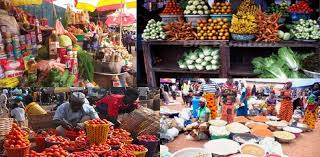
Stakeholder Groups Advocate For Policy Changes To Tackle Food Insecurity In Nigeria


-

 Latest News1 week ago
Tinubu Govt Declares Nationwide Public Holiday For Nigerians
-

 Entertainment7 days ago
₦800,000, ₦5m, $11,000: Ogogo’s Daughter Accuses Nigerians Of Exploiting Father’s Cancer
-

 Latest News2 weeks ago
Tinubu Meets Akpabio, Doguwa, Oyetola, Alake At Aso Rock
-

 Latest News2 weeks ago
INEC Makes Fresh Announcement After Declaring Adeleke Winner Of Osun Election
-

 Latest News1 week ago
APC Chairman Collapses, D!es
-

 Latest News6 days ago
Uzodinma Won’t Market Tinubu To Igbos’ – Oshiomhole Reveals Who Should Help
-
 Latest News6 days ago
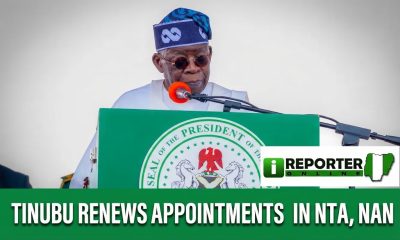
Tinubu Renews Appointments In NTA, NAN
-

 Latest News4 days ago
FG Announces New Appointment
-

 Entertainment2 weeks ago
Ogogo’s Family Breaks Silence, Debunks Viral D**th Rumour
-

 Latest News5 days ago
Tinubu Reviews APC Campaign Council Over ‘Corrupt’ Names — See Who Escaped the Shake-Up
-

 Entertainment6 days ago
‘Please Forgive Me’ – Ijebu Begs Colleagues After Ogogo’s D**th
-

 Latest News2 days ago
Malami Sends Strong Message To ADC Members Ahead Of 2027 Elections