

Latest News
A Newly Resurrected Ancient Smell May Help Reveal The Life Of A Woman Entombed With Pharaohs

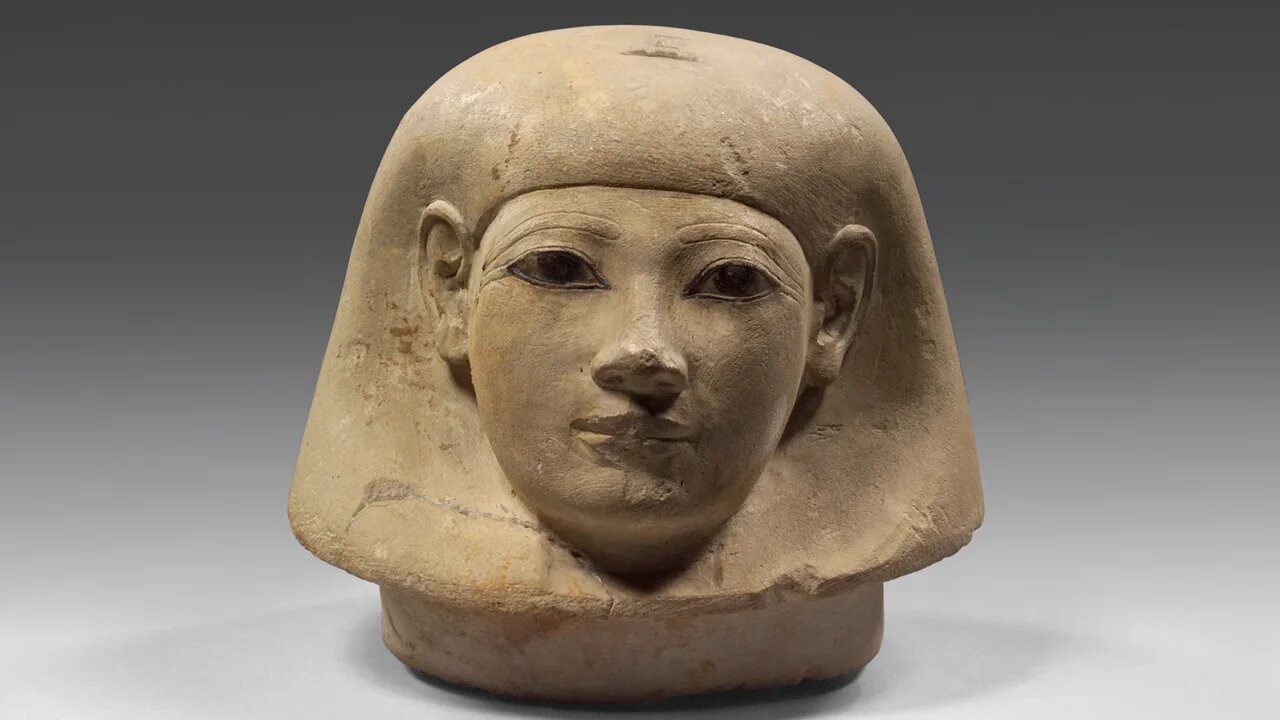
A Newly Resurrected Ancient Smell May Help Reveal The Life Of A Woman Entombed With Pharaohs

Limestone lids were designed to look like human heads for the canopic jars containing mummified organs of the noblewoman Senetnay, who died more than 3,500 years ago.
Scientists have successfully decoded the ancient aroma of Egyptian mummification balms by identifying the ingredients used, allowing them to recreate the scent.
The research offers valuable insights into the meticulous care and sophistication involved in creating these embalming balms over 3,500 years ago.
Read Also Messi’s Next Match Is The Most Expensive Major League Soccer Game Ever (DETAILS)
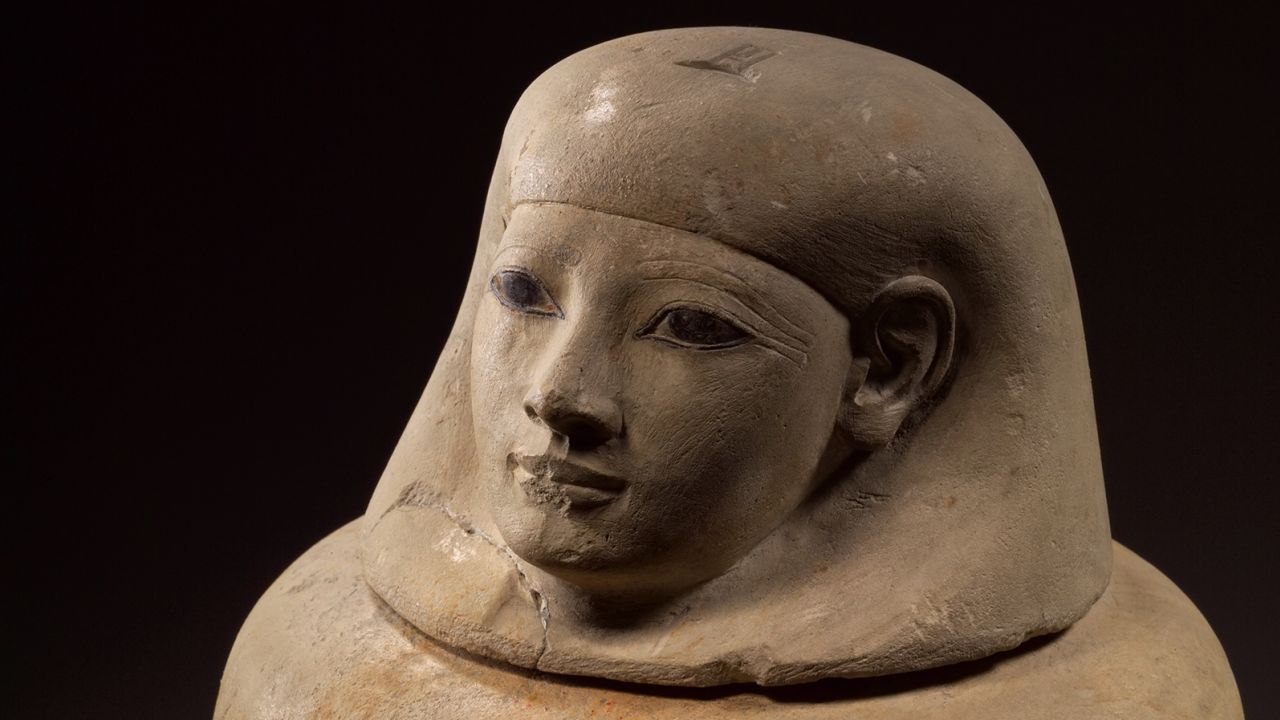
The canopic jars were made with limestone, which absorbed some of the embalming ingredients. Christian Tepper/Museum August Kestner
The balms, used for preserving the remains of noblewoman Senetnay, contained a diverse array of ingredients, including exotic substances like dammar or Pistacia tree resin, which pointed to her exceptional social status. Senetnay’s inclusion in the Valley of the Kings, typically reserved for pharaohs and powerful nobles, highlights her extraordinary privilege.
Researchers scraped residues from the jars that once contained Senetnay’s vital organs and found ingredients such as beeswax, plant oils, animal fats, bitumen, resins, coumarin, and benzoic acid.
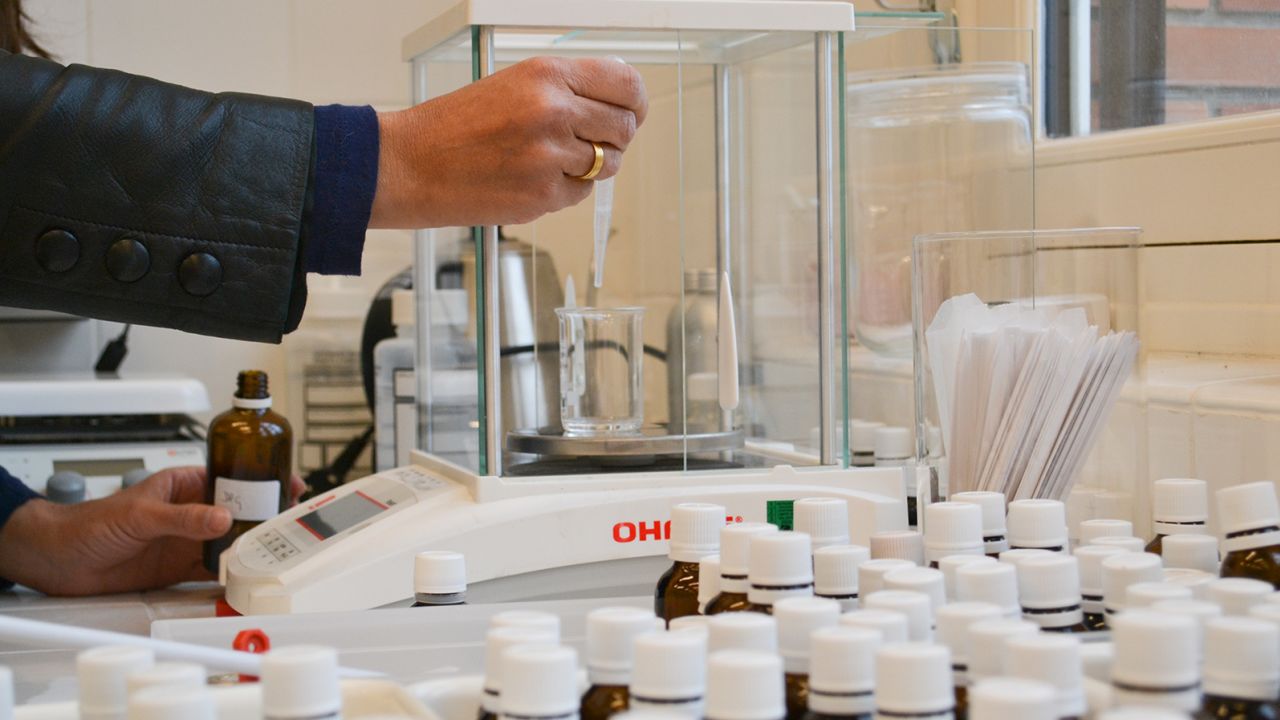
A perfumer worked with the researchers to recreate the scent. Courtesy Carole Calvez
Fragrant resins from larch trees and dammar or Pistacia tree resin were also identified. These findings suggest the extensive trade networks and routes established by the Egyptians during the mid-2nd millennium BCE.
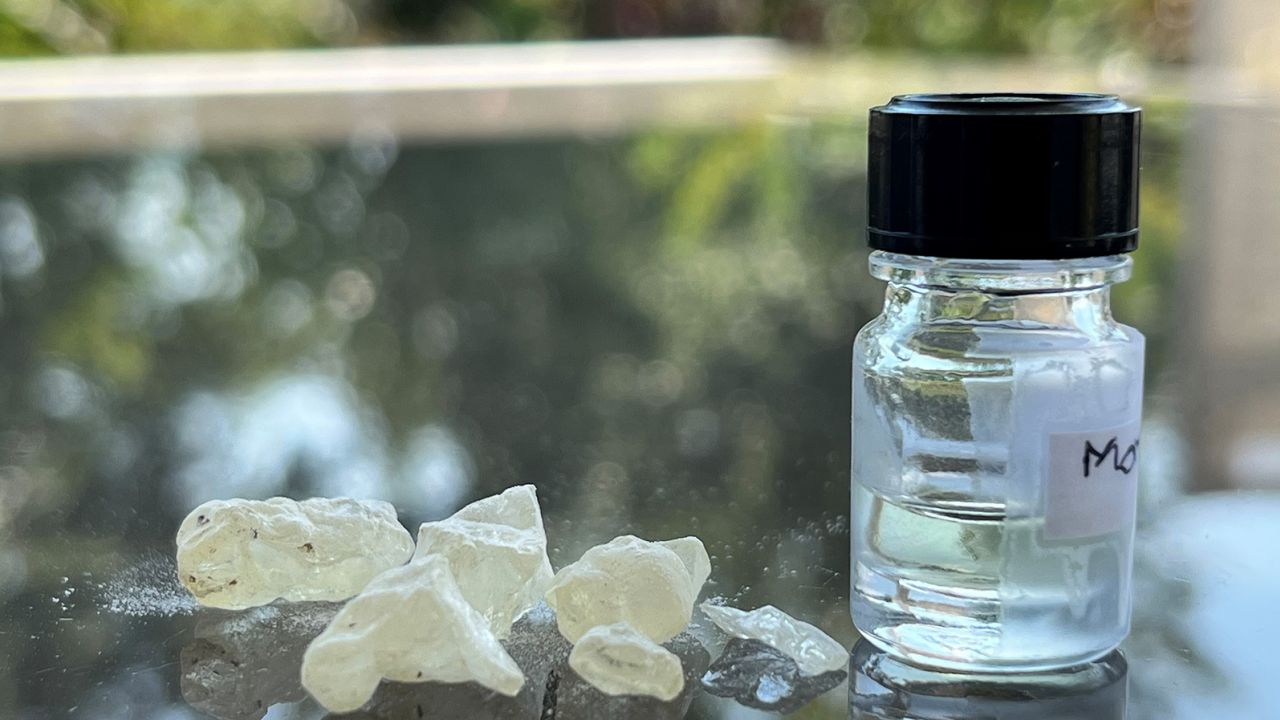
Dammar resin, an ingredient used in embalming, appears next to a bottle of the recreated ancient scent. Barbara Huber
The research team worked with a perfumer and sensory museologist to recreate the ancient scent, which will be part of an upcoming exhibit at the Moesgaard Museum in Denmark.
The aim is to offer museum visitors a more immersive experience and bridge the gap between ancient times and the present.
This discovery sheds light on the advanced mortuary practices of the Egyptians and their extensive trade connections, providing a glimpse into the complex rituals surrounding the preservation of the deceased in ancient Egypt.

-

 Latest News2 weeks ago
Uzodinma Won’t Market Tinubu To Igbos’ – Oshiomhole Reveals Who Should Help
-

 Latest News2 weeks ago
Tinubu Renews Appointments In NTA, NAN
-

 Latest News2 weeks ago
FG Announces New Appointment
-

 Latest News2 weeks ago
Tinubu Reviews APC Campaign Council Over ‘Corrupt’ Names — See Who Escaped the Shake-Up
-

 Entertainment2 weeks ago
‘Please Forgive Me’ – Ijebu Begs Colleagues After Ogogo’s D**th
-

 Latest News1 week ago
Malami Sends Strong Message To ADC Members Ahead Of 2027 Elections
-

 Latest News4 days ago
BREAKING: FG Makes Fresh Appointment
-

 Business5 days ago
Cement Price Update: Current Prices Of Dangote, BUA, Others
-

 Latest News2 days ago
Tinubu Shelves UNGA Trip, Shettima To Lead Nigerian Delegation
-

 Latest News1 week ago
Tinubu Orders NFF Overhaul, Directs Talks With FIFA, CAF
-

 Latest News1 week ago
Lagos 2027: Gbadamosi Reveals Why He Chose Rhodes-Vivour As Running Mate
-

 Latest News4 days ago
Kwankwaso Breaks Silence After Meeting Peter Obi, NDC Candidates